Category Archives: Malawi

world & Malawi National News and Headlines. – View the latest National  news and breaking news today for Malawi from maravipost.com, world, weather, entertainment, politics and health at maravipost.com

DPP Running Mate Buzz Intensifies Amid Growing Alliance Talks

By Dorica Mtenje

LILONGWE Maravipost: Speculation is mounting over potential running mates for Democratic Progressive Party (DPP) leader Peter Mutharika, as the party explores possible alliances ahead of the next elections.

The speculation follows a recent statement by DPP Secretary General Peter Monkhitho, who signaled the party’s willingness to enter alliances—provided they serve the best interests of Malawians.

Among the names gaining traction in political circles are Newton Kambala, a UTM founder and former Cabinet Minister; Atupele Muluzi, the youthful and dynamic UDF president; Frank Mwenefumbo, an influential figure from the northern region; and Bright Msaka, a veteran politician with a wealth of government experience.

Political analysts argue that the selection of a running mate will be a critical factor in determining the strength and appeal of any potential alliance. As negotiations continue behind closed doors, the big question lingers: Who will land the coveted spot as Peter Mutharika’s running mate?

As discussions gain momentum, Malawians are watching closely, with the DPP anticipated to make a pivotal announcement in the coming weeks.

The strategic imperative: Why DPP must position Peter Mutharika as President in Alliance negotiations

By Jones Gadama

The Democratic Progressive Party (DPP) finds itself at a critical juncture.

As the party engages in discussions with potential alliance partners, the question of leadership looms large.

At the forefront of this conversation is Arthur Peter Mutharika, the former president and a figure whose political acumen and experience could prove pivotal in shaping the future of the DPP and its allies. The necessity of positioning Mutharika as the presidential candidate in any forthcoming alliance cannot be overstated.

His leadership is not merely a matter of preference; it is a strategic imperative that could determine the success or failure of the coalition in the face of formidable opposition, particularly from the Malawi Congress Party (MCP).

Mutharika’s tenure as president from 2014 to 2020 was marked by significant achievements and challenges.

His administration focused on economic growth, infrastructure development, and social programs aimed at improving the lives of Malawians.

While his presidency was not without controversy, Mutharika’s ability to navigate the complexities of governance and his experience in international diplomacy have endowed him with a unique skill set that is invaluable in the current political climate.

The DPP’s alliance partners must recognize that Mutharika’s leadership is not just about continuity; it is about leveraging his established political capital to galvanize support and foster unity among disparate factions.

One of the most compelling reasons for endorsing Mutharika as the presidential candidate is his status as a “winning formula.” In the 2019 elections, despite facing significant challenges, Mutharika managed to secure a substantial portion of the vote, demonstrating his enduring appeal among the electorate.

His ability to connect with voters, particularly in rural areas, is a testament to his grassroots support. In contrast, the MCP, led by Lazarus Chakwera, has struggled to maintain a cohesive narrative that resonates with all segments of the population.

By positioning Mutharika as the presidential candidate, the DPP can capitalize on his established voter base and mitigate the risks associated with presenting a less familiar face to the electorate.

Moreover, Mutharika’s candidacy sends a clear message of stability and experience in a time of uncertainty.

The political landscape in Malawi is fraught with challenges, including economic instability, social unrest, and the lingering effects of the COVID-19 pandemic.

In such a context, voters are likely to gravitate towards a leader who embodies resilience and has a proven track record of governance. Mutharika’s experience in handling crises, both domestically and internationally, positions him as a stabilizing force that can reassure voters and instill confidence in the DPP’s ability to lead effectively.

The DPP’s alliance partners must also consider the implications of Mutharika’s candidacy for their own political fortunes.

Aligning with a well-known and respected leader can enhance the credibility of smaller parties within the coalition, providing them with a platform to amplify their voices and agendas.

Mutharika’s leadership can serve as a unifying force, bringing together diverse political ideologies and interests under a common banner. This is particularly important in a multiparty system where fragmentation can lead to electoral defeat.

By rallying around Mutharika, alliance partners can present a formidable front against the MCP and other opposition parties, increasing their chances of electoral success.

Furthermore, Mutharika’s candidacy is crucial for maintaining the DPP’s identity and core values.

The party has historically championed economic development, social justice, and national sovereignty. Mutharika embodies these principles, and his leadership can help reinforce the DPP’s commitment to its foundational ideals. In contrast, presenting a new candidate may dilute the party’s message and alienate its traditional base.

The DPP must remain true to its roots while adapting to the evolving political landscape, and Mutharika’s leadership provides a bridge between the past and the future.

In addition to the strategic advantages of Mutharika’s candidacy, there is also a psychological dimension to consider. The political rivalry between the DPP and the MCP has created a charged atmosphere in which perceptions of strength and leadership are paramount. Mutharika’s presence as the presidential candidate can instill a sense of fear and apprehension within the MCP, potentially dissuading them from aggressive campaigning and galvanizing their base.

The psychological impact of having a seasoned leader at the helm cannot be underestimated; it can influence voter sentiment and sway undecided voters who may be looking for a strong and capable leader to guide the nation through turbulent times.

Moreover, Mutharika’s candidacy aligns with the broader narrative of continuity and stability that many voters seek in times of change. As Malawi navigates the complexities of post-pandemic recovery, the electorate may be more inclined to support a leader who has demonstrated the ability to govern effectively in the past.

Mutharika’s experience in managing economic challenges and fostering international relations positions him as a candidate who can provide the stability and continuity that voters crave. This narrative can be a powerful tool in the DPP’s campaign strategy, allowing them to frame the election as a choice between experienced leadership and untested alternatives.

The DPP’s alliance partners must also recognize the importance of a cohesive and unified front in the face of opposition. The political landscape in Malawi is characterized by shifting alliances and unpredictable electoral dynamics. By rallying around Mutharika as the presidential candidate, the DPP can present a united front that signals strength and determination to both voters and opponents.

This unity is essential for mobilizing resources, coordinating campaign efforts, and ensuring that the coalition remains focused on common goals. A fragmented approach, on the other hand, could lead to infighting and weaken the coalition’s chances of success.

The DPP’s decision to position Arthur Peter Mutharika as the presidential candidate in any forthcoming alliance is not merely a matter of preference; it is a strategic necessity. Mutharika’s experience, political capital, and ability to connect with voters make him an invaluable asset in the current political climate. His candidacy represents a winning formula that can galvanize support, instill confidence, and foster unity among alliance partners.

As the DPP navigates the complexities of coalition politics, it is imperative that they recognize the importance of strong leadership and the potential for Mutharika to serve as a stabilizing force in a time of uncertainty. By embracing Mutharika’s candidacy, the DPP can position itself for success in the upcoming elections and ensure that it remains a formidable player in the Malawian political landscape.

Malawi awaits president’s guidance on sending delegation to Pope Francis’ funeral

By Jones Gadama

The Ministry of Foreign Affairs has stated that it is awaiting President Lazarus Chakwera’s guidance on whether Malawi will send an additional delegation to the funeral ceremony of Pope Francis, scheduled for this Saturday.

According to Minister of Foreign Affairs Nancy Tembo, the possibility of a team from Malawi leaving for the Vatican to attend the funeral is being considered, pending the president’s approval.

Pope Francis Coffin
Why the next Pope should choose his own name

Speaking to this online publication, Minister Tembo hinted that the president’s decision will determine the next steps for Malawi’s representation at the funeral. “We are awaiting the president’s guidance on whether we will send an additional delegation to the funeral ceremony,” Tembo said.

She added, “If the president approves, we will send a team to attend the funeral.”

In the meantime, Malawi will be represented by its ambassador to the Holy See, Joseph Mpinganjira.

Tembo described Pope Francis as a humble and down-to-earth leader, extending condolences to all Catholics. “Pope Francis was a remarkable leader who touched the lives of many people around the world,” Tembo said, adding that,”We extend our condolences to the Catholic Church and all those who were touched by his ministry.”

The Ministry of Foreign Affairs has been working closely with the Vatican to ensure that Malawi is represented at the funeral ceremony. The funeral is expected to be attended by dignitaries from around the world, including heads of state, government officials, and religious leaders.

Pope Francis passed away recently, and his death has been met with an outpouring of tributes and condolences from around the world. The Pope was known for his progressive views and his commitment to social justice, and his legacy continues to inspire many people.

Malawi has a significant Catholic population, and the country’s Catholic community has been paying tribute to the late Pope.

The Pope’s visit to Malawi in 2016 was a significant event, and his message of hope and love resonated with many Malawians.

The decision to send a delegation to the funeral ceremony is a testament to the strong relationship between Malawi and the Vatican. The two entities have a long history of cooperation, particularly in the areas of education and healthcare.

As the world mourns the passing of Pope Francis, Malawi joins in paying tribute to his legacy.

The Pope’s commitment to social justice and his advocacy for the poor and vulnerable are an inspiration to many people around the world.

Malawi is awaiting President Chakwera’s guidance on whether to send an additional delegation to the funeral ceremony of Pope Francis.

The Ministry of Foreign Affairs is working closely with the Vatican to ensure that Malawi is represented at the funeral, and the country’s ambassador to the Holy See will attend the ceremony.

The Pope’s legacy continues to inspire many people, and Malawi joins in paying tribute to his memory.

The funeral ceremony will be a significant event, bringing together people from around the world to pay tribute to the late Pope. It will be an opportunity for Malawi and other countries to reflect on the Pope’s legacy and the impact of his ministry on the world.

As Malawi considers sending a delegation to the funeral, it is essential to recognize the importance of the event and the significance of the Pope’s legacy.

The Pope’s commitment to social justice and his advocacy for the poor and vulnerable are an inspiration to many people, and his legacy continues to shape the lives of many individuals and communities around the world.

65% of Africans with HIV at Risk as Global Health Aid cuts

By Dorica Mtenje

LILONGWE Maravipost: The sudden cut in global health aid is putting millions of people with HIV in danger. Most of them about 65 percent live in Africa, If nothing is done soon, this could cause 6.3 million more people to die from AIDS in the coming years.

In an interview with Maravi Post on Wednesday, April 22, Dr. Cecilia Kanyama from the University of North Carolina (UNC )Project in Malawi said AIDS-related illnesses killed 390,000 people in Africa in 2023. She said 130,000 of those deaths were from cryptococcal meningitis, a deadly brain infection and the second leading cause of HIV-related deaths.

Kanyama said the Drugs for Neglected Diseases Initiative (DNDi) and partners have started testing a new treatment for cryptococcal meningitis in Malawi and Tanzania.

“The new treatment could save lives and help health workers in poor areas facing funding cuts by making care simpler and more effective,”said Kanyama.

African countries are likely to face serious health challenges following aid cuts linked to policies introduced during Donald Trump’s presidency, which reduced support for key health programs across the continent.

Malawi ramps up efforts to contain mpox outbreak

By Jones Gadama

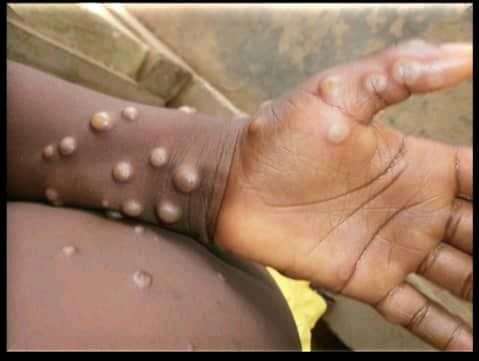
The Ministry of Health has intensified its efforts to contain the Mpox virus, with measures including enhanced screening, training health workers to recognize symptoms, and isolating suspected and confirmed cases. According to Penjani Chunda, Chief Preventative Health Officer for Zomba, these measures aim to prevent the spread of the disease and protect the public.

Mpox is a viral infection that causes symptoms such as painful rashes, enlarged lymph nodes, fever, headache, muscle ache, back pain, and low energy. In severe cases, it can lead to death. Malawi has reported a total of four cases in the past three weeks, with three cases in Lilongwe and one in Mangochi.

The Ministry of Health has taken proactive steps to contain the outbreak. Health workers have been trained to identify symptoms and detect cases early, which is crucial in preventing the spread of the disease. Suspected and confirmed cases are being isolated to prevent further transmission.

The ministry has also emphasized the importance of personal and public hygiene in preventing the spread of Mpox. Citizens are advised to practice good hygiene, report suspicious symptoms to health authorities, and avoid close contact with infected individuals.

A meeting of health experts is underway in Lilongwe to establish preventive measures for Mpox.

The Ministry of Health has assured the public that measures are being taken to contain the suspected outbreak and prevent transmission.

The World Health Organization has declared Mpox a Public Health Emergency of International Concern, highlighting the need for global cooperation in combating the disease. Malawi’s health authorities are working closely with international partners to enhance their response to the outbreak.

Mpox is a viral infection that can spread through close contact with infected individuals, contaminated materials, or animals.

The virus can also be transmitted through respiratory droplets, bodily fluids, and skin lesions. Pregnant women, immunocompromised individuals, and those with HIV are at higher risk of severe disease.

Symptoms of Mpox typically develop within 7-14 days after exposure and can last for 2-4 weeks. While some cases may be mild, severe cases can lead to serious health complications and death.

Preventing the spread of Mpox requires a multi-faceted approach. Key measures include practicing good hygiene, avoiding close contact with infected individuals, early detection and isolation of suspected cases, and vaccination.

Smallpox vaccines have been found to offer 85% protection against Mpox, but their safety and efficacy in preventing Mpox are still being studied.

Organizations such as the Urunji Child-Care Trust are working to provide life-saving information, equipment, and emergency support to communities at risk. Donations and funding are crucial in scaling up these efforts and equipping health workers to respond to the outbreak.

As the situation continues to evolve, it’s essential for the public to remain vigilant and follow health guidelines to prevent the spread of Mpox. With concerted efforts from health authorities, international partners, and the public, Malawi can contain the outbreak and protect its citizens.

MCP factional fights turn dirty: Chimwendo deploys political mercenaries in vendetta against Chithyola

By Falles Kamanga

BLANTYRE-(MaraviPost)-The Malawi Congress Party (MCP) is tearing itself apart as Secretary General Richard Chimwendo Banda escalates his ruthless campaign to eliminate Finance Minister Simplex Chithyola Banda from political relevance.

In a shocking descent into bare-knuckle factional warfare, Chimwendo has reportedly mobilized paid political mercenaries – including the dubious “Santhe Creative Youth Empowerment” group and the compromised CDEDI – to execute a takedown operation against his rival.

The hit job went public with a carefully staged press conference demanding audits of Chithyola’s CDF funds in Kasungu South, the very constituency that humiliated Chimwendo by rejecting his handpicked candidate in favor of Chithyola during primaries.

Political analysts note the mercenary nature of the operation – the previously unknown Santhe group mysteriously acquired sudden financial capacity for prime-time media appearances, while CDEDI abandoned its supposed neutrality to become Chimwendo’s attack dog.

“This is political contract killing,” revealed a senior MCP insider. “Chimwendo couldn’t beat Chithyola democratically, so he’s hired these political hitmen to fabricate a scandal. The money trail leads straight to his faction’s war chest.”

The source confirmed Chimwendo’s endgame is blocking Chithyola’s 2025 nomination through manufactured controversy.

As the party’s internal civil war turns increasingly violent, observers warn Malawi’s oldest party risks implosion.

“When a Secretary General starts treating party members like enemies to be eliminated rather than colleagues to be persuaded, the institution is in mortal danger,” cautioned a veteran political analyst.

With the 2025 elections looming, Chimwendo’s mercenary tactics may achieve short-term gains but risk triggering irreversible fractures in MCP’s foundation.

Disclaimer: The views expressed in the article are those of the author not necessarily of The Maravi Post or Editor

New WHO guidance calls for urgent transformation of mental health policies

The World Health Organization (WHO) today launched new guidance to help all countries reform and strengthen mental health policies and systems. Mental health services worldwide remain underfunded, with major gaps in access and quality. In some countries, up to 90% of people with severe mental health conditions receive no care at all, while many existing services rely on outdated institutional models that fail to meet international human rights standards.

The guidance provides a clear framework to transform mental health services in line with the latest evidence and international human rights standards, ensuring quality care is accessible to all.

“Despite rising demand, quality mental health services remain out of reach for many people,” said Dr Tedros Adhanom Ghebreyesus, WHO Director-General. “This new guidance gives all governments the tools to promote and protect mental health and build systems that serve everyone.”

A blueprint for mental health care transformation

While effective prevention and treatment interventions exist, most people living with mental health conditions do not have access to these. The new WHO guidance sets out concrete actions to help countries close these gaps and ensure mental health is promoted and protected, with a focus on:

  • protecting and upholding human rights, ensuring mental health policies and services are aligned with international human rights standards;
  • promoting holistic care with an emphasis on lifestyle and physical health, psychological, social, and economic interventions;
  • addressing social and economic factors that shape and affect mental health including employment, housing and education;
  • implementing prevention strategies and promote population-wide mental health and well-being; and
  • ensuring people with lived experience are empowered to participate in policy planning and design to ensure mental health policies and services are responsive to their needs.

The guidance identifies five key policy areas requiring urgent reform: leadership and governance, service organization, workforce development, person-centred interventions, and addressing social and structural determinants of mental health.

A tailored approach to strengthening mental health systems

The WHO guidance serves as a critical tool for governments, policymakers, and stakeholders working to strengthen mental health systems and improve access to mental health care.

By offering a menu of policy directives, strategies and actions to guide reform efforts, the guidance supports policy makers to prioritize and tailor policies to their specific national context, in line with their available resources and operational structures.

“This new WHO guidance provides practical strategies for countries to build inclusive, responsive and resilient mental health systems. Designed to be flexible, it allows all countries – whether low- middle- or high-income – to adapt their approach to mental health care based on national context, needs, and priorities,” said Dr Michelle Funk, Unit Head, Policy, Law and Human Rights in the WHO Department for Mental Health and Substance Abuse.

Developing and implementing the guidance

The guidance was developed in consultation with global experts, policymakers and individuals with lived experience. The policy guidance also builds on the resources, guidance and tools developed under the WHO QualityRights initiative, aiming to promote a person-centred, recovery-oriented and rights-based approach to mental health. WHO will support countries in implementing the guidance through technical assistance and capacity-building initiatives.

Sourced from WHO

WHO launches first-ever guidelines on meningitis diagnosis, treatment and care

The World Health Organization (WHO) has today published its first-ever global guidelines for meningitis diagnosis, treatment and care, aiming to speed up detection, ensure timely treatment, and improve long-term care for those affected. By bringing together the latest evidence-based recommendations, the guidelines provide a critical tool for reducing deaths and disability caused by the disease.

Despite effective treatments and vaccines against some forms of meningitis, the disease remains a significant global health threat. Bacterial meningitis is the most dangerous form and can become fatal within 24 hours. Many pathogens can cause meningitis with an estimated 2.5 million cases reported globally in 2019. This includes 1.6 million cases of bacterial meningitis which resulted in approximately 240 000 deaths.

Around 20% of people who contract bacterial meningitis develop long-term complications, including disabilities that impact quality of life. The disease also carries heavy financial and social costs for individuals, families, and communities.

“Bacterial meningitis kills one in six of the people it strikes, and leaves many others with lasting health challenges,” said Dr Tedros Adhanom Ghebreyesus, WHO Director-General. “Implementing these new guidelines will help save lives, improve long-term care for those affected by meningitis, and strengthen health systems.”

Meningitis can affect anyone anywhere, and at any age, however the disease burden remains particularly high in low- and middle-income countries and in settings experiencing large-scale epidemics.  The highest burden of disease is seen in a region of sub-Saharan Africa, often referred to as the ‘meningitis belt’, which is at high risk of recurrent epidemics of meningococcal meningitis.

Recommendations for the clinical management of meningitis in children and adults

Improving clinical management of meningitis is essential to reducing mortality and morbidity, minimizing long-term complications and disability, and improving quality of life for affected individuals and communities.

The new guidelines provide evidence-based recommendations for the clinical management of children over one month of age, adolescents, and adults with acute community-acquired meningitis.

They address all aspects of clinical care, including diagnosis, antibiotic therapy, adjunctive treatment, supportive care, and management of long-term effects.  Given the similarities in clinical presentation, diagnosis and management approaches across different forms of acute community-acquired meningitis, the guidelines address both bacterial and viral causes.

The guidelines provide recommendations for both non-epidemic and epidemic settings, the latter superseding previous 2014 WHO guidelines, which covered  meningitis outbreak response.

As resource-limited settings bear the highest burden of meningitis, these guidelines have been specifically developed to provide technical guidance suitable for implementation in low- and middle-income countries.

The guidelines are intended for use by health-care professionals in first- and second-level facilities, including emergency, inpatient, and outpatient services. Policymakers, health planners, academic institutions, and civil society organizations can also use them to inform capacity-building, education, and research efforts.

Defeating meningitis by 2030

The guidelines contribute to the broader Defeating Meningitis by 2030 Global Roadmap, adopted by WHO Member States in 2020, which aims to: eliminate bacterial meningitis epidemics, reduce cases of vaccine-preventable bacterial meningitis by 50% and deaths by 70%, and reduce disability and improve quality of life after meningitis.

Achieving these goals requires coordinated action across five key areas:

  1. Diagnosis and treatment: Faster detection and optimal clinical management.
  2. Prevention and epidemic control: Developing new affordable vaccines, achieving high immunization and coverage, and improving outbreak preparedness and response.
  3. Disease surveillance: Strengthening monitoring systems to guide prevention and control.
  4. Care and support for those affected by meningitis: Ensuring early recognition and improved access to care and support for after-effects from meningitis. 
  5. Advocacy and engagement: Increasing political commitment and inclusion in country plans, better public understanding of meningitis, and increased awareness of right to prevention, care and after-care services.

With these guidelines, WHO provides countries with a critical tool to close gaps in meningitis diagnosis, treatment and care, ensuring that more people receive timely treatment and long-term support.

Sourced from WHO

WHO Member States conclude negotiations and make significant progress on draft pandemic agreement

After more than three years of intensive negotiations, WHO Member States took a major step forward in efforts to make the world safer from pandemics, by forging a draft agreement for consideration at the upcoming World Health Assembly in May. The proposal aims to strengthen global collaboration on prevention, preparedness and response to future pandemic threats.

In December 2021, at the height of the COVID-19 pandemic, WHO Member States established the Intergovernmental Negotiating Body (INB) to draft and negotiate a convention, agreement or other international instrument, under the WHO Constitution, to strengthen pandemic prevention, preparedness and response.

Following 13 formal rounds of meetings, nine of which were extended, and many informal and intersessional negotiations on various aspects of the draft agreement, the INB today finalized a proposal for the WHO Pandemic Agreement. The outcome of the INB’s work will now be presented to the Seventy-eighth World Health Assembly for its consideration.

“The nations of the world made history in Geneva today,” said Dr Tedros Adhanom Ghebreyesus, WHO Director-General. “In reaching consensus on the Pandemic Agreement, not only did they put in place a generational accord to make the world safer, they have also demonstrated that multilateralism is alive and well, and that in our divided world, nations can still work together to find common ground, and a shared response to shared threats. I thank WHO’s Member States, and their negotiating teams, for their foresight, commitment and tireless work. We look forward to the World Health Assembly’s consideration of the agreement and – we hope – its adoption.”

Proposals within the text developed by the INB include establishing a pathogen access and benefit sharing system; taking concrete measures on pandemic prevention, including through a One Health approach; building geographically diverse research and development capacities; facilitating the transfer of technology and related knowledge, skills and expertise for the production of pandemic-related health products; mobilizing  a skilled, trained and multidisciplinary national and global health emergency workforce; setting up a coordinating financial mechanism; taking concrete measures to strengthen preparedness, readiness and health system functions and resilience; and establishing a global supply chain and logistics network.

The proposal affirms the sovereignty of countries to address public health matters within their borders, and provides that nothing in the draft agreement shall be interpreted as providing WHO any authority to direct, order, alter or prescribe national laws or policies, or mandate States to take specific actions, such as ban or accept travellers, impose vaccination mandates or therapeutic or diagnostic measures or implement lockdowns.

Dr Tedros paid tribute to the members of the Bureau who guided the INB process: Co-Chairs Ms Precious Matsoso (South Africa) and Ambassador Anne-Claire Amprou (France), and Vice-Chairs Ambassador Tovar da Silva Nunes (Brazil), Ambassador Amr Ramadan (Egypt), Dr Viroj Tangcharoensathien (Thailand); and Ms Fleur Davies (Australia). Past members included former Co-Chair, Mr Roland Driece (the Netherlands), and former Vice-Chairs Ambassador Honsei Kozo (Japan), Mr Kazuho Taguchi (Japan), and Mr Ahmed Soliman (Egypt). The Director-General also acknowledged the constant support provided by WHO Secretariat colleagues.

INB Co-Chair Ms Matsoso said: “I am overjoyed by the coming together of countries, from all regions of the world, around a proposal to increase equity and, thereby, protect future generations from the suffering and losses we suffered during the COVID-19 pandemic. The negotiations, at times, have been difficult and protracted. But this monumental effort has been sustained by the shared understanding that viruses do not respect borders, that no one is safe from pandemics until everyone is safe, and that collective health security is an aspiration we deeply believe in and want to strengthen.”

Fellow INB Co-Chair, Ambassador Amprou, said the draft agreement is a major step in strengthening the global health security architecture so people of the world would be better protected from the next pandemic.

“In drafting this historic agreement, the countries of the world have demonstrated their shared commitment to preventing and protecting everyone, everywhere, from future pandemic threats,” Ambassador Amprou said. “While the commitment to prevention through the One Health approach is a major step forward in protecting populations, the response will be faster, more effective and more equitable. This is a historic agreement for health security, equity and international solidarity.”

The INB was established in December 2021, at a special session of the World Health Assembly, bringing together Member States and relevant stakeholders, including international organizations, private sector, and civil society. At the World Health Assembly in June 2024, governments made concrete commitments to complete negotiations on a global pandemic agreement within a year. The upcoming Assembly starting 19 May 2025 will consider the proposal developed by the INB and take the final decision on whether to adopt the instrument under Article 19 of the WHO Constitution.

Sourced from WHO