

The UN-supported polio vaccine campaign concluded in besieged northern Gaza on Monday, with agencies inoculating 94,000 children, but thousands still remain out of reach.  UN Health News
Category Archives: Malawi
world & Malawi National News and Headlines. – View the latest National news and breaking news today for Malawi from maravipost.com, world, weather, entertainment, politics and health at maravipost.com
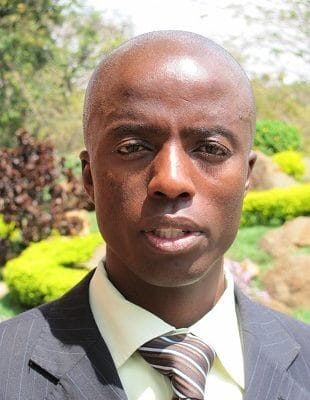
Exclusive Interview: MEC’s spokesperson Sangwani Mwafulirwa on Calls for Dr. Anabel Mtalimanja’s Resignation
By Burnett Munthali, Maravi Post
In the face of mounting public calls for Dr. Anabel Mtalimanja’s resignation as Chair of the Malawi Electoral Commission (MEC), Maravi Post reached out to MEC spokesperson Sangwani Mwafulirwa for clarification.
However, his responses indicate a reluctance to engage in detail on these allegations, with Mwafulirwa choosing to focus on questioning the journalistic process rather than addressing the issues raised.
1) Mr. Mwafulirwa, how does MEC respond to the recent letter from concerned citizens calling for Dr. Anabel Mtalimanja’s immediate resignation?
Despite several attempts to engage Mwafulirwa on this direct question, he consistently declined to respond to the letter’s contents, advising that “there is no comment on the issues.” His reply seemed defensive, reflecting a lack of willingness to confront the matter head-on.
2) What is MEC’s stance on claims of political bias toward the Malawi Congress Party (MCP) due to Dr. Mtalimanja’s alleged family connections?
Mwafulirwa offered no answer to the public’s perception of bias, further intensifying speculation about MEC’s impartiality and casting doubt on MEC’s commitment to maintaining an unbiased electoral body.
3) How is MEC addressing stakeholders’ lack of confidence in Dr. Mtalimanja’s leadership?
Again, Mwafulirwa refrained from commenting, only suggesting that Maravi Post should have sought “proof” from the letter’s authors rather than asking MEC for clarification. His refusal to address these concerns reinforces perceptions that MEC is not taking these stakeholders’ views seriously.
4) What is MEC’s response to claims of Dr. Mtalimanja’s perceived arrogance in handling public feedback?
No comment was provided regarding Dr. Mtalimanja’s perceived leadership style, an issue raised by concerned citizens. This omission highlights MEC’s reluctance to engage constructively with public sentiment.
5) Why did MEC choose electronic voting machines, and how will it ensure transparency in their use?
Mwafulirwa refrained from addressing the procurement process, merely questioning Maravi Post’s choice of phrasing in raising this question. The lack of transparency on MEC’s part continues to fuel suspicions regarding these machines’ auditing challenges.
6) Has MEC considered more affordable voting systems?
No comment was offered on potential alternatives to electronic voting system, leaving concerns about the affordability and practicality of the system unanswered.
7) Is there any possibility of reinstating Dr. Chifundo Kachale, as called for by the letter’s authors?
Again, Mwafulirwa withheld any specific response, only asserting that Maravi Post should have probed further into the motivations behind this request, rather than offering MEC’s perspective.
8) What assurances can MEC give about future election transparency and fairness?
When asked about future assurances for a fair and transparent election, Mwafulirwa declined to elaborate, raising further concerns regarding MEC’s commitment to upholding democratic principles.
9) How does MEC plan to address critics and foster unity before the next elections?
No comment was provided on MEC’s engagement strategy, indicating a potential gap in its approach to building public trust and promoting a peaceful electoral environment.
10) Would MEC be open to meeting with concerned citizens to discuss grievances?
Mwafulirwa avoided answering whether MEC or Dr. Mtalimanja would meet with concerned citizens, denying the public the opportunity for open dialogue with their electoral commission.
The debate continues
Despite multiple attempts by Maravi Post to obtain MEC’s responses, Mr. Mwafulirwa remained uncooperative, with comments that at times deflected attention from the critical questions posed. His only consistent message was that “there is no comment on the issues.” Furthermore, Mwafulirwa discouraged Maravi Post from directly engaging Dr. Mtalimanja, insisting that he would speak on her behalf.
Conclusion
This interview reveals an unwillingness on MEC’s part to engage in open dialogue about the concerns raised by Malawians, fueling more questions about the commission’s transparency, accountability, and willingness to address the public’s expectations. As Malawi heads toward its next election, MEC’s defensiveness risks eroding trust further, reinforcing the importance of public engagement and transparency as essential tenets of a fair electoral process.

Dr Dalitso Kabambe: A potential presidential victor of 2024 UTM elective convention
Power struggle has taken the centre stage in the United Transformation Movement (UTM) party following the sudden death of its founder Saulos Chilima.
It is interesting to note that some UM National Executive Committee (NEC) members and the party president, Michael Usi are not speaking with one voice on pertinent party issues such as party’s allegiance to Tonse Alliance, 4 billion kwacha party’s debt and nomination fees for the forthcoming national elective convention slated for 17 November 2024.
Currently, Dalitso Kabambe, Matthews Mtumbuka, Patricia Kaliati, Penjani Kalua, Newton Kambala and the incumbent party president, Michael Usi have expressed their interest to contest as presidential candidates.
At this juncture, it is of paramount importance to note that the major criterion in electing the party president must be centred on the qualities of a presidential candidate who perpetuates Chilima’s legacy.
Unfortunately, the selection of delegates to participate in the voting process will most likely influence the outcome of the elective convention.
Suffice to say that any presidential aspirant is a potential victor. However, this article endeavours to elucidate the strengths and weaknesses of Dalitso Kabambe whose chances of winning are highly probable.
For starters, Dalitso served as the Reserve Bank of Malawi Governor from 2012 to 2017. During his tenure, he implemented policies that aimed at stabilising the economy and promoting economic growth.
As a Reserve Bank governor, Kabambe’s key achievements ranged from stabilising inflation rates, implementing viable monetary policy reforms , improving foreign exchange management to enhancing financial inclusion initiatives.
For instance during his governorship, Kabambe’s sound monetary and fiscal policies resulted into the reduction of Malawi’s economic inflation rate from 21.4% in 2012 to 12.6% in 2016. This was a notable achievement indeed.
As Malawi is experiencing economic instability and meltdown, achievers of Kabambe’s acumen become vitally a panacea.
Kabambe indeed comes with vast knowledge in economic management.
For instance, prior to his governorship of the country’s central bank, Kabambe worked in the Malawi Government Economic Service for a period of 19 years from 1998.
He held various positions such as Principal Economist, Chief Economist, Deputy Director of Economic Planning and, Budget Director in the Ministry of Finance, Economic Planning and Development.
Kabambe was also the Director of Planning and Policy Development at the Ministry of Health from 2013 to 2015, where he was also in charge of the national health budget.
He also served as Secretary for Foreign Affairs and International Cooperation for close to 2 years.
In terms of education, Kabambe is not a nonentity. He holds a PhD and a master’s degree in Development Economics from Imperial College, University of London, United Kingdom which he obtained in 2008 and 2001 respectively. He got his first degree from the University of Malawi in 1998.
Despite the positive achievements, Kabambe is not spared with financial controversies.
For instance, Kabambe was rocked in a salary controversy when it emerged that as governor of Malawi’s central bank, his monthly perk was billed at MK24 million (about US$30,000). Many citizens find this salary exorbitant considering the poverty levels in Malawi.
In an interview with Zodiak broadcasting station, Kabambe confirmed the reports, saying his salary was approved by the Bank’s board in line with the Reserve Bank of Malawi Act of Parliament and his years of service.
In a nutshell, Kabambe has good chances of winning the UTM elections based on his vast strong economic policies and experience.
Furthermore, since Kabambe announced his presidential candidature, he has shown that he is propagating Chilima’s legacy.

UNAIDS appoints the artist OUM as National Goodwill Ambassador in Morocco

GENEVA, Switzerland, 04 November 2024-/African Media Agency(AMA)/- The Joint United Nations Programme on HIV/AIDS (UNAIDS) is pleased to announce the appointment of renowned Moroccan artist OUM as its National Goodwill Ambassador in Morocco. The prestigious announcement was made at the Taragalte Festival, held from November 1-3, 2024, in Mhamid El Ghizlane, where OUM proudly serves as the festival’s ‘Godmother.’ OUM’s influence and commitment to social change will play a vital role in UNAIDS’ efforts to combat HIV/AIDS in Morocco and beyond.
“OUM’s appointment as National Goodwill Ambassador is a powerful step forward in our efforts to fight against HIV in Morocco,” said Houssine El Rhilani, UNAIDS Country Director for Morocco. “Her artistic influence and commitment to social causes will help amplify our messages of prevention, tolerance, and support for people living with HIV.”
In her new role, OUM will work to promote awareness and education around HIV prevention. She will also focus on fighting against the stigma and discrimination faced by people living with HIV. “As an artist, I have a platform to reach many people. It is my duty to use my voice to advocate for people living with and affected by HIV who are often unheard,” said OUM. “I am honored to take on this role with UNAIDS and am committed to supporting the fight against HIV in Morocco.”
Morocco faces significant challenges in the fight against HIV, with approximately 23,000 people currently living with the virus. The National Integrated Strategic Plan for HIV, Viral Hepatitis, and STIs (2024-2030) outlines essential actions to strengthen HIV prevention efforts and improve access to care, particularly for populations most affected by HIV. OUM’s role as an ambassador is vital in driving these efforts forward.
OUM is no stranger to social advocacy, having previously collaborated with various United Nations agencies. Her engagement includes speaking on international platforms and participating in initiatives promoting women’s rights and education. The official ceremony for OUM’s appointment highlighted her commitment to raising awareness around HIV issues in Morocco. It featured speeches from local leaders, including representatives from the region of Zagora and the Ministry of Health and Social Protection. The festival itself serves as a cultural backdrop, emphasizing the power of music and art in promoting peace and social change.
As UNAIDS continues its mission to end AIDS as a public health threat by 2030, collaboration with influential figures like OUM is crucial. Her role as National Goodwill Ambassador will not only increase awareness but also inspire collective action to ensure that all people affected by HIV, regardless of their status, have access to the care and support they need.
Distributed by African Media Agency (AMA) on behalf of UNAIDS.
UNAIDS
The Joint United Nations Programme on HIV/AIDS (UNAIDS) leads and inspires the world to achieve its shared vision of zero new HIV infections, zero discrimination and zero AIDS-related deaths. UNAIDS unites the efforts of 11 UN organizations—UNHCR, UNICEF, WFP, UNDP, UNFPA, UNODC, UN Women, ILO, UNESCO, WHO and the World Bank—and works closely with global and national partners towards ending the AIDS epidemic by 2030 as part of the Sustainable Development Goals. Learn more at unaids.org and connect with us on Facebook, Twitter, Instagram and YouTube.
The post UNAIDS appoints the artist OUM as National Goodwill Ambassador in Morocco appeared first on African Media Agency.

Road to 2025: Namalomba’s endorsement on embattled Alfred Gangata as Mutharika runningmate sparks divisions in DPP
BLANTYRE-(MaraviPost)-Controversy is brewing within the opposotion Democratic Progressive Party (DPP) after Shadreck Namalomba, the party’s national publicity secretary, endorsed embattled Alfred Gangata as President Peter Mutharika’s running mate for the 2025 elections.
This move has infuriated DPP members from the Northern region, who suspect President Mutharika was behind the endorsement and are demanding clarification.
They feel Namalomba’s decision undermines the party’s democratic processes, as it was made without consulting regional structures.
Jappie Mhango has described this as an act of insubordination, citing that the decision is above Namalomba’s position.
The endorsement has created divisions within the party, with some members expressing dissatisfaction with the process.
This comes after the DPP’s elective convention in Blantyre, where Gangata was elected Vice President for the Central region.
Embattled Gangata has been in the media recently for wrong reasons; bankruptcy, threatening lawyer Alexious Kamangila and among others.
The party’s Northern region legislators have previously rejected endorsements from senior officials, including former President Mutharika.
The controversy surrounding Namalomba’s endorsement has exposed deeper issues within the DPP.
The party’s democratic processes and regional autonomy are being questioned.
As the DPP gears up for the 2025 elections, it remains to be seen how this internal strife will impact their chances.
One thing’s for sure – the party needs to address these divisions and present a united front to regain voter trust.

Road to CoP29: NYNCC, CISONECC mentor youths on climate change action negotiation
LILONGWE-(MaraviPost)-Young people are said to be vital in climate change action negotiations hence their inclusion ahead of this year’s Conference of Parties (COP) 29 which is slated for Baku in Azerbaijan.
CoP29 focuses much on climate financing pledges particularly targeting least developing nations towards adaptations programs implemention.
This is the reason Youth Network for Climate Change (NYNCC) and Civil Society Network on Climate Change (CISONECC) have intensified capacity building in young people ahead of CoP 29.
Addressing the High-Level Youth Dialogue on Climate Action on Friday, November 1, 2024 in the capital Lilongwe which NYNCC and CISONECC organised, Environmental Affairs Department (EAD) deputy director Evans Njewa emphasized the need for the nation to invest in young people.
Njewa expressed satisfaction in growing enthusiasm among youth for climate conservation and management.
“We need the youth to become practitioners and advocates who can effectively disseminate information about climate issues.
“Youths innovative approaches are essential for tackling climate change. This is reason capacity building is paramount ahead of this year’s CoP 29,” says Njewa.
Echoing the same, CISONECC National Coordinator Julius Ng’oma hinted the need for youngsters to be on forefront in climate change action negotiations for sustainability of adaptation programme implementation.
“This high-level youth engagement policy dialogue aimed at strengthening capacity for inclusive climate negotiations.
“The event highlighted the critical role young people play in addressing climate change and fostering sustainable practices. We want youth critical thinkers in climate change action negotiations for impact ahead of CoP 29 hence the inclusion and capacity building on young people,” says Ng’oma.
In his remarks, NYNCC National Coordinator Dominic Nyasulu emphasized the need for the country’s leadership to invest in young people on climate change adaptation programme as they are drivers of change.
Nyasulu is therefore optimistic that the training offers to young people on Climate Change action negotiations will have meaning impact.
In a bid to build capacity for young people on climate change action negotiations,
One of youths negotiators from Mzuzu University and a member of NYNCC Akuzike Favor Phiri lauded the mentorship program saying meeting’s equipping young people with skills for international climate communication is vital.
“Malawi needs climate financing towards implementation of adaptation programs. We should receive funding for climate loss and adaptation initiatives.
“We can’t be able to negotiate with developing nations when we lack communication skills on how to present our concerns. The training has summed it all for easy negotiations”, lauds Akuzike.
The High level meeting underscored the importance of youth engagement in shaping climate policy and fostering a collaborative approach to environmental challenges.
Intense bombardments, mass displacements and lack of access in northern Gaza force the postponement of polio vaccination campaign
Due to the escalating violence, intense bombardment, mass displacement orders, and lack of assured humanitarian pauses across most of northern Gaza, the Polio Technical Committee for Gaza, including the Palestinian Ministry of Health, World Health Organization (WHO), United Nations Children’s Fund (UNICEF), the United Nations Relief and Works Agency for Palestine Refugees (UNRWA) and partners have been compelled to postpone the third phase of the polio vaccination campaign, which was set to begin today. This final phase of the ongoing campaign aimed to vaccinate 119 279 children across northern Gaza.
The current conditions, including ongoing attacks on civilian infrastructure continue to jeopardize people’s safety and movement in northern Gaza, making it impossible for families to safely bring their children for vaccination, and health workers to operate.
All logistics, supplies and trained human resources were prepared to vaccinate children across northern Gaza with a second dose of novel oral polio vaccine type 2 (nOPV2), following a first round conducted across the Gaza Strip from 1-12 September 2024. However, given that the area currently approved for temporary humanitarian pauses was substantially reduced—now limited only to Gaza City, a significant decrease from the first round—many children in northern Gaza would have missed out on the polio vaccine dose.
To interrupt poliovirus transmission, at least 90% of all children in every community and neighborhood must be vaccinated – a prerequisite for an effective campaign to interrupt the outbreak and prevent its further spread. Humanitarian pauses are essential for its success, allowing partners to deliver vaccination supplies to health facilities, families to safely access vaccination sites, and mobile teams of health workers to reach children in their communities. A delay in administering a second dose of nOPV2 within six weeks reduces the impact of two closely spaced rounds on concurrently boosting the immunity of all children and interrupting poliovirus transmission. Having a significant number of children miss out on their second vaccine dose will seriously jeopardize efforts to stop the transmission of poliovirus in Gaza. This could also lead to further spread of poliovirus in the Gaza Strip and neighboring countries, with the risk of more children being paralyzed.
Since the rollout of the second round of the polio campaign in Gaza on 14 October 2024, 442 855 children under ten years have been successfully vaccinated in central and south of the Gaza Strip– 94% of the target in these areas. A total of 357 802 children between two to ten years received vitamin A supplements as part of efforts to integrate the delivery of polio vaccine with other essential health services in Gaza.
It is imperative to stop the polio outbreak as soon as possible, before more children are paralyzed and poliovirus spreads further. It is crucial therefore that the vaccination campaign in northern Gaza is facilitated through the implementation of the humanitarian pauses, ensuring access for wherever eligible children are located. WHO and UNICEF urge all parties to ensure that civilians, health workers, and civilian infrastructure, such as schools, shelters, hospitals, are protected and renew their call for an immediate ceasefire.

Chakwera must fire errand boy Sam Kawale for chronic AIP mess
BLANTYRE-(MaraviPost)-Despite sacking the former Agriculture Minister Robin Lowe two years ago, Agriculture Inputs Program (AIP) still giving Malawians headaches with dubious deals.
When President Lazarus Chakwera appointed his errand boy Sam Kawale, some quarters of the society had much expectations that the program would be in safe hands but the case is different.
Errand boy Kawale has been caught in numerous shady deals more than Lowe.
But Chakwera has failed to act on Kawale’s incompetence.
Now, Malawi government is again in a mess with its fertiliser deal with East Bridge Limited.
The Romanian firm made an initial supply for which the government is failing to meet payment deadlines.
The company already has another consignment of 60,000 metric tonnes ready for shipping as part of meeting its contractual obligations.
But, amid these developments, the government has entered a deal with another supplier for similar amounts of fertiliser, which might suggest it has quietly abandoned East Bridge Limited.
Early last year, the government announced it had signed a fertiliser contract with East Bridge.
Initially, it emerged that the deal would see the Romanian firm supply 600, 000 tonnes of fertiliser to Malawi.
Later, the then Minister of Finance Sosten Gwengwe said Cabinet had recommended the halving of the quantities.
In that case, East Bridge would supply 300,000 tonnes of fertiliser in two batches of 150,000 tonnes each valued at $124.5 million each.
Malawi would pay back in form of produce.
In response to growing questions about how the deal flouted procurement procedures, in August last year, Minister of Agriculture Sam Kawale told Parliament that the government had suspended the deal.
He said his ministry was instead arranging to have the contract transferred to Smallholder Farmers Fertilizer Revolving Fund of Malawi (SFFRFM).
He made this announcement after Gwengwe and Reserve Bank of Malawi Governor Wilson Banda had written the International Monetary Fund (IMF) that the government would cancel the barter deal in order to recommit to following the appropriate public procurement procedures.
We now know that East Bridge supplied an initial 28,000 metric tonnes of fertiliser to SFFRFM.
But it has not received full payment, although it has also been planning to ship into the country another 60,000 metric tonnes.
However, it looks like government has jettisoned East Bridge, because it has entered another fertiliser deal with ‘His Highness Sheikh Ahmed Al-Qassimi’.
A letter dated May 27, 2024, from Richard Chikunkhuzeni, SFFRFM CEO to Secretary for Agriculture, reads:
“We would like to inform you that SFFRFM has received a revised offer from the Office of His Highness Sheikh Ahmed Al-Qassimi to supply 600,000 tonnes of fertiliser (300,000 tonnes Urea: 300,000 tonnes NPK).
“The revised term sheet has reduced the cash cover requirement from 120 percent to 100 percent as per attached email correspondence.”
Chikunkhuzeni said in the letter that the removal of the 20 percent would cost the bag at K65,000, lower than the K80,000 on the market.
“The transaction will also help to ease the country’s forex burden as the payment to the supplier will be in Malawi kwacha,” reads the letter.
Now, East Bridge is demanding K39.5 billion ($22.5 million) for breach of contract, loses and damages.
In a letter dated September, 20 2024 to Attorney General Thabo Chaka Nyirenda, the company demanded immediate payment of the money.
According to the letter, this is an outstanding balance for fertiliser supplied to the Malawi government on March 20, 2024.
“The agreement stipulated that the Smallholder Farmers Fertiliser Revolving Fund of Malawi (SFFRFM) would settle the amount with commodities of equivalent value or cash by June 14, 2024. However, this did not happen,” reads the letter from East Bridge’s lawyer, Chimwemwe Kalua.
The agreement further said that if SFFRFM failed to settle the amount by June 14, 2024, the government would pay the outstanding balance in cash immediately after that date.
Todate, neither SFFRFM nor the government has fulfilled their payment obligations.
As a result, East Bridge Estate SRL demands immediate payment of the outstanding sum plus collection fees of $3.3 million and interest on the outstanding sum at the statutory rate from March 20, 2024.
East Bridge warns that if the payment is not received in full, they will commence arbitration proceedings, seek specific performance of the agreement and claim damages for breach of contract or pursue other legal remedies available under Malawi law.
“Time is of the essence, and our client’s forbearance should not be construed as a waiver of any rights under the agreement or at law,” the letter further says.
The Attorney General’s office is responsible for advising the government and representing it in litigation.
In this case and in the previous letters that we have seen, the Attorney General responded, indicating that he was initiating plans for payment.
However, nothing has happened.
However, lawyer Kalua refused to speak to us.
But East Bridge’s Chief Executive Officer Haim Tzutziashvili said the firm has indeed put forward the demand letter to the Attorney General.
“We have the fertiliser which we already supplied and we have over 60,000 metric tonnes also ready for shipping.
“We even agreed to be paid in Kwacha if the farm produce are not ready. What we want is to continue with the contract,” Tzutziashvili said.
Both Attorney General (AG) Nyirenda and Kawale have also failed to give clear presponse on matter.
Source: Malawi News

“SKC was a rare gem”-Dr Dalitso Kabambe
NTCHEU-(MaraviPost)-UTM presidential aspirant Dr. Dalitso Kabambe has described the late Vice President Saulos Chilima as a rare gem who always wished the country and its citizens well.
The former Reserve Bank of Malawi (RBM) Governor Dr Kabambe he was speaking on Saturday, November 2, 2024 during the memorial service for marking the end of the traditional mourning period of late Chilima and music-icon Lucius Banda at Nsipe in Ntcheu district.
“I will keep on remembering Chilima for his contribution to the nation regardless of peoples political, tribal or religious background.
“Chilima formed UTM party to unite the nation with collective ideas for enhancing development nationwide,” lauds Dr. Kabambe.
Late Dr. Chilima died in a plane crash on June 10 at Chikangawa while Banda died in a South African hospital on June 30 due to kidney failure.
Meanwhile, UTM Party is expected to go for elective convention on November 17, 2024 in Mzuzu which Dr Kabambe is vying for the presidency post.

Gaza: Final phase of polio vaccine campaign reaches ravaged north
The long-awaited final phase of a UN-supported polio vaccine campaign began on Saturday in bombarded, besieged northern Gaza even as reports emerged that one vaccination centre had been hit during a humanitarian pause, according to UN agencies on the ground.  UN Health News