

More than 800,000 children and 120,000 pregnant women will be vaccinated in a nationwide campaign launched on Monday by the Government of the Democratic People’s Republic of Korea (DPRK) with the support of the UN Children’s Fund (UNICEF).  UN Health News
Category Archives: Malawi
world & Malawi National News and Headlines. – View the latest National news and breaking news today for Malawi from maravipost.com, world, weather, entertainment, politics and health at maravipost.com

ZBS to Host Intra-Party Presidential Debates, Starting with UTM
By Burnett Munthali
In a bid to enhance access to information and promote democratic governance in Malawi, Zodiak Broadcasting Station (ZBS) has announced the organization of a series of intra-party presidential debates. These debates are designed for individuals competing for the presidency within their respective political parties, with the first set to feature candidates from the opposition United Transformation Movement (UTM).
As UTM gears up for its upcoming convention, where a new party president will be elected, the party has opened the competition to multiple candidates. This move allows for a more democratic process, where different aspirants can vie for the top position. To facilitate public engagement and transparency, Zodiak has scheduled a debate that will take place after the candidates have officially declared their interest by collecting nomination documents but before the party convention.
Zodiak Media has confirmed that a majority of those who have expressed interest in running for the UTM presidency have agreed, in principle, to participate in the debate. This will provide the Malawian public with a unique opportunity to engage with potential leaders before they are formally elected within the party.
Commenting on this initiative, Gabriel Kamlomo, Zodiak Media’s Director of News and Current Affairs, highlighted the significance of the debate. “The fact that UTM has opened up this position for competition is a matter of public interest. We are organizing these debates now because, unlike the MCP and DPP, which opted for endorsements rather than open contests, UTM has chosen the democratic path. This aligns with our mission to inform and engage the public on matters of national importance.”
Kamlomo also stressed the importance of these debates in allowing UTM presidential aspirants to communicate directly with the electorate. “While the candidates are currently traveling across the country to secure support from convention delegates, these debates will give our audiences across radio, television, and online platforms the chance to get my to know the individuals who wish to lead Malawi.”
This is not the first time Zodiak has undertaken such an initiative. The station previously hosted a similar debate on April 26, 2013, featuring Malawi Congress Party (MCP) candidates Dr. Felix Jumbe, Dr. Lazarus Chakwera, and Mr. Jodder Kanjere.
Details regarding the upcoming UTM debate and other similar events will be shared via Zodiak’s radio, television, and online platforms. Malawians are encouraged to stay tuned to Zodiak Media for updates on this significant political event.

New York Times : DEATHS BRING AIR OF MENACE TO MALAWI
Since May 18 the much vaunted tranquillity of this central African nation has taken on an air of menace after the deaths of three Cabinet ministers and a legislator in circumstances that have raised questions the Government will not answer.
Dick Matenje, Aaron Gadama, John Sangala and David Chiwanga were driving in the south of the country when, by official accounts, their car went off the road and plunged down a 100-foot embankment.
The official version goes no further; it does not explain why, according to a highly placed Western source, the bodies bore the marks of gunshot wounds. Neither is an explanation offered for the absence of a state funeral, or official condolences to the relatives of the dead - courtesies that would have been usual after a car accident. In the byzantine world of Malawian politics it is unlikely the mystery will ever be publicly unraveled.
The deaths have worried Malawians and foreigners alike for they seem to indicate the hardening of an already tough regime that brooks no opposition or suggestion of dissent. Landlocked and Poor
Malawi, landlocked and poor, has been led since its independence from Britain in 1964 by Dr. Hastings Kamuzu Banda, the octogenarian life President, elder of the Church of Scotland and idiosyncratic figure whose control of events is believed by some foreigners to be slipping. The official motto by which he has exercised power is known as ”the four cornerstones” – unity, loyalty, obedience, discipline. Among the objects on sale in Malawi’s well-stocked stores are wraparound cloths bearing the President’s portrait above the ”four cornerstones.”
Since coming to power, President Banda has run the nation as a fiefdom. He is the biggest stockholder in the country’s biggest conglomerate and the law has been amended to insure that his supremacy cannot be challenged. The country has a one-party system under which the life president selects those who will be favored with office and deals summarily with those perceived as threatening.
Yet in the past the methods used to maintain control have usually been coated with a veneer of legality. Suspected challengers, like Aleke Banda, the former secretary general of the Malawi Congress Party, the country’s sole legal political body, are in detention. Traditional courts have handed down death sentences to notable opponents, like former Justice Minister Orton Chirwa and his wife, Vera, but they may still lodge appeals.
The events of May 18 have woven more sinister strands into the national fabric. ”Either the President condoned what happened,” a foreign specialist said, ”or he was unable to prevent it.” Like most people here, the specialist agreed to discuss events only in return for anonymity. Succession a Touchy Topic
The prevalent interpretation of the incident is that the four officials who died on May 18 were somehow embroiled in a factional battle over the highly sensitive issue of who will succeed Dr. Banda. This is probably the most contentious and potentially hazardous topic in the land, and one that seems to foreshadow bitter political strife after his death.
While it is not a legal offense to discuss the succession, Malawi’s recent history has shown that those mentioned as likely contenders for the presidency have been politically neutralized.
The May 18 killings, the foreign specialist said, may have been the result of ”overzealous” police action ordered to prevent the four officials from seeking refuge after losing the power struggle. Mr. Matenje had been summoned before the President and admonished prior to his death, the specialist said. ”They knew they were being pursued,” the specialist said, ”but the killing was crude and messy.”
The clues as to who may have ordered the police action are diffuse. Several days after the officials’ death, the managing editor of the Government-controlled Daily Times was called to the presidential palace, a Western source said, and, one day later, an editorial appeared that was widely interpreted as an exoneration of the highly influential central bank governor, John Tembo. ‘Official Hostess’ to President
Mr. Tembo is the uncle of Cecilia Kadzamira, whose title is ”official hostess” to the bachelor President. The relationship, by most accounts, has Machiavellian overtones.
”Tembo and Kadzamira control what the President sees,” the foreign specialist said. ”Matenje may have been trying to keep things from the President himself so as to strengthen his position against Tembo, but lost the battle.”
The President, the specialist said, no longer devotes himself fulltime to the running of the country, has ”lost control of the economy” and is increasingly isolated within the palace guard around him. Most of those who have talked with Dr. Banda recently assert that he is in good health, but one Western visitor reported to friends that the Malawian leader did not seem to be as forceful as in the past.
”It is possible to run this country as a one-man show,” a Western source said, ”but only if the life President devotes himself to the job seven days a week. The feeling is that he is no longer doing that, so there has been slippage.”
There is little doubt President Banda has made achievements that are rare in Africa. At independence the country ranked as one of Africa’s least-developed, bereft of mineral resources. ”We have only the land and the people, nothing else,” a senior Malawian economist said. This year, for the first time in several years, Malawi will export corn to Zambia, Tanzania and Mozambique, whose socialist leaders have traditionally scorned Dr. Banda and his personal style. Dissatisfaction Is Increasing
But, increasingly, the President’s style is the object of dissatisfaction among Malawians. ”People do not like being treated as children in the paternalistic manner of his excellency the life President,” a civil servant said in a private conversation. And some of Dr. Banda’s policies seem to be rebounding.
Malawi is staunchly pro-Western, is the only African country to have full diplomatic relations with South Africa, a tie that has brought economic advantage along with political isolation from the continent’s mainstream. ”The South Africans are condescending towards us,” the civil servant said. ”They treat us as if we were another Bantustan, but we are an independent African country.”
Of the foreign journalists who received rare permission to cover last month’s parliamentary elections here, none were South African. The authorities, one source said, turned down an application from South Africa’s Argus Group of newspapers because they were displeased with the ”high handedness” of South African journalists in the past.
The elections were stictly controlled by Dr. Banda, who examined the candidates to insure a loyal Parliament. The assembly itself, a Malawian party worker said, has little power. ”This,” the worker said, showing journalists the new Congress Party headquarters, ”is the No. 1 Parliament. The other one is No. 2.”

Cracks deepen in opposition DPP over new appointments
BLANTYRE-(MaraviPost)-Dust is refusing to settle in opposition Democratic Progressive Party (DPP) as its Secretary General (SG) Peter Mukhito has urged his fellow members of the party to unite their efforts and focus on steering the party back into government.
Mukhito’s remarks follows concerns from some party members regarding the appointment of advisors to the President of the party.

But responding to the concerns in a statement, he indicated that according to the constitution of the party, the president is granted the authority to appoint an unlimited number of advisors.
“These advisors report directly to the president and do not hold any operational responsibilities withing the party structures,” Mukhito said in the statement.
A day ago, the party through the Presidential Spokesperson and National Publicity Secretary Shadric Namalomba announced at least eight Presidential advisors whom among them include Dr. Clement Mwale, Dr. George Chaponda, Chimwemwe Chipungu, Jean Mathanga, Everton Chimulirenji.
DPP held its elective convention on August 18 this year as many positions went unopposed.

Gaza: UN humanitarians ahead of polio vaccination target
The UN World Health Organization (WHO) said on Tuesday that 161,030 children under 10 have been vaccinated in central Gaza during the first two days of the UN-led mass vaccination campaign, surpassing the initial target of 156,000. The figure amounts to around a quarter of the total population they aim to reach – some 640,000 children.
“We think that we will need another day tomorrow to actually wrap-up the central zone completely,” said Dr. Rik Peeperkorn, WHO Representative for the Occupied Palestinian Territories (OPT).
Speaking from Gaza, he explained that day three of the campaign was continuing during the eight-hour daily pauses agreed by the Israeli military and Hamas fighters.
Each “humanitarian pause” is meant to last from 06:00 until 15:00 local time, with the possibility of adding an extra day if required.
Further rounds
The WHO medic explained that vaccination teams will shift to the larger southern zone on Thursday for another three days and most likely a fourth, before they turn to the northern zone. “Four weeks later the process will be repeated for the second round of vaccination,” he added.
Reaching the northern part of the Strip remains a concern, as the WHO has tried to get missions to the north over the last two weeks to provide hospitals with essential medical supplies.
“From the eight or nine missions we planned, only three or four could go,” he said. An Emergency Medical Team (EMT) was deployed to the Indonesian Hospital and a paediatric doctor to Kamal Adwan Hospital in addition to medications and other supplies.
The journey back to base involved a seven-hour wait for authorization to proceed to the holding point, with an additional 2.5 hours for screening at the checkpoint. Nearly 11 months into the war, the deconfliction process is still not effective, Dr. Peeperkorn maintained.
90 per cent rate
According to the UN health agency, at least 90 per cent of Palestinian children need to be vaccinated for the campaign to be effective and to prevent the circulation of polio within Gaza and globally.
The Gaza Strip had a high level of vaccination coverage across the population before the conflict began in October 2023. Due the impact of the war, routine immunization coverage dropped from 99 per cent in 2022 to less than 90 per cent in the first quarter of 2024, increasing the risk of vaccine-preventable diseases to children, including polio.
Asked about whether it might be possible to assess other deeply worrying health issues such as malnutrition among children while the vaccination teams are working, Dr. Peeperkorn said that there was no spare capacity to do so.
“It’s a very intense campaign. You want to do it as quickly as possible over as least number of days as possible. With all the complexities now in Gaza, we decided we cannot add anything in this campaign. If we see that more activities are possible in the second round, four weeks from now, we will definitely do that.”
The polio vaccination campaign comes amid the massive destruction of Gaza’s healthcare infrastructure, including water and sanitation systems, and after health officials detected the first case of polio in Gaza in 25 years, in a 10-month-old baby in a refugee camp. The virus can cause paralysis and even death in young children.
Relentless danger
While UN humanitarian agencies welcomed the humanitarian pauses in specific areas to allow the large-scale polio vaccination campaign, they emphasized the urgent need for the immediate release of all remaining hostages and a ceasefire in the Gaza Strip. “Once these children have been vaccinated, they will go back to areas that in the coming week, we imagine, will be bombed again,” warned James Elder, spokesperson for the UN Children’s Fund (UNICEF).
“There is nothing in that, that should be accepted as normal,” he continued. “And I think that everyone now accepts that the talks on ceasefires are just talks for us to continually think that there’s hope there.
“After 10 months, we might be a little bit naive. So, something has to give, and that again, has to fall on those leaders needing to represent their people.”


Assessing the leadership legacy of Malawi’s past and present presidents
By Burnett Munthali
Malawi's political landscape has seen various leadership styles and economic impacts under different administrations. The late former President Professor Bingu wa Mutharika and his successor, Professor Arthur Peter Mutharika, are often remembered for their roles in driving significant economic growth in Malawi. In contrast, current President Dr. Lazarus Chakwera faces criticism for his management of the country’s economic performance.
Bingu wa Mutharika’s legacy
The late Professor Bingu wa Mutharika, who served as President from 2004 to 2012, is celebrated for his contributions to Malawi’s economic development. His tenure was marked by various infrastructure projects and initiatives aimed at improving the nation’s agricultural sector and overall economic stability. His leadership is credited with laying a foundation for economic progress during his presidency.
Arthur Peter Mutharika’s contributions
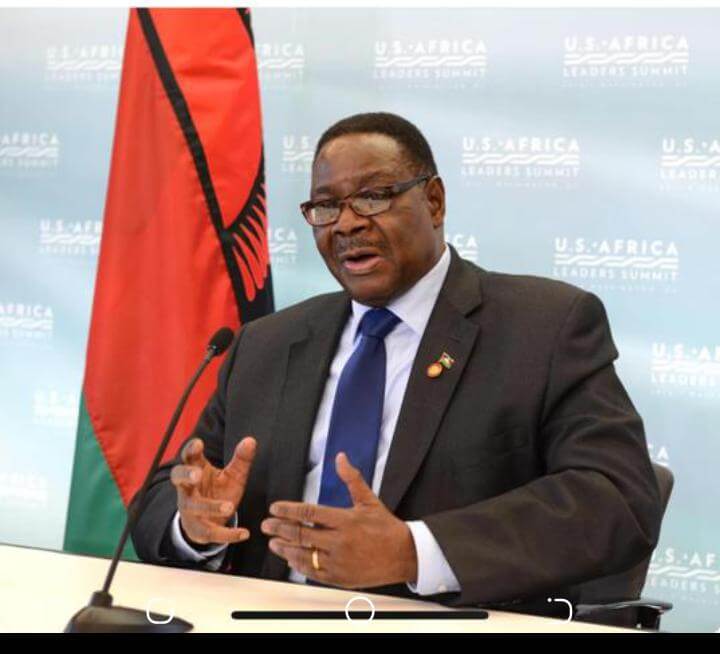
Professor Arthur Peter Mutharika, who succeeded his brother as President, continued to build on the economic policies and development initiatives started by Bingu. His administration focused on consolidating economic gains and furthering infrastructure development. Despite facing challenges, Mutharika’s tenure is recognized for efforts to sustain economic growth and enhance Malawi’s development prospects.
Current administration under Dr. Lazarus Chakwera
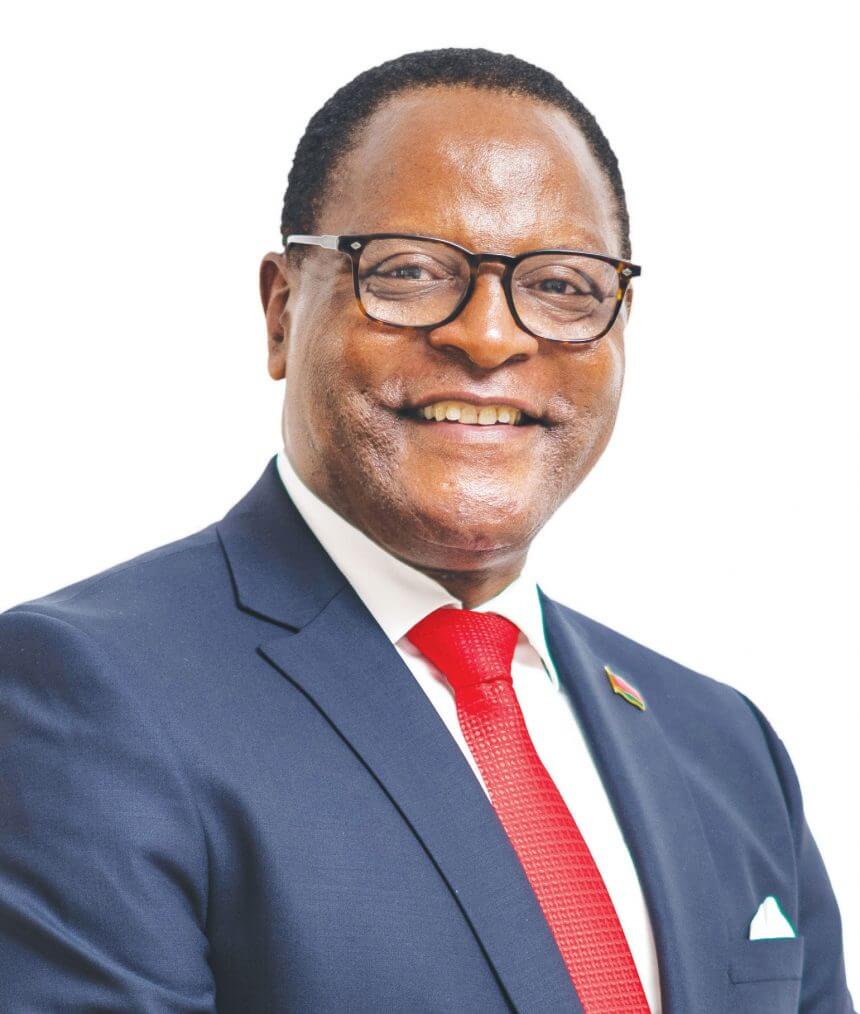
President Dr. Lazarus Chakwera, who took office in 2020, has faced considerable scrutiny regarding his management of the economy. Critics argue that his presidency has not effectively continued the economic progress achieved by his predecessors. Concerns have been raised about declining economic growth and perceived inefficiencies in governance. Some assert that while Chakwera holds the title of President, his leadership has not yet demonstrated the same impact on economic development as seen in previous administrations.
The contrast between the economic achievements under Bingu wa Mutharika and Peter Mutharika and the current economic challenges highlights the complexities of leadership and governance. Evaluating the success of a presidency involves considering both the achievements and difficulties faced during each term. As Malawi continues to navigate its economic journey, the effectiveness of its current leadership will remain a critical focus for the nation.
Evaluating President Lazarus Chakwera’s leadership: Preparedness or misjudgment?
As Malawi navigates its complex political and economic landscape, President Lazarus Chakwera’s leadership is coming under increasing scrutiny. A former Malawi Congress Party (MCP) operative, now residing in the United States, has raised a provocative question: Is Dr. Lazarus Chakwera truly the leader Malawi needs, or is he merely a leader we persuaded into a role for which he was never fully prepared?
Dr. Lazarus Chakwera’s ascension to the presidency in 2020 was marked by significant public enthusiasm and a promise of transformative change. His campaign was grounded in a vision of reform, integrity, and a fresh direction for Malawi. However, the shift from a prominent opposition figure to the head of state has proven challenging.
The former MCP operative and other critics argue that Chakwera may not have been fully prepared for the demands of leading a nation grappling with persistent economic and social issues. Although Chakwera’s leadership has been characterized by principled rhetoric and reform-oriented goals, there are concerns about the practical impact of his administration. The notion that Chakwera was persuaded into the presidency rather than being fully equipped for the role is a growing concern.
Chakwera’s presidency has seen both ambitious plans and notable disappointments. Despite outlining a vision for economic growth and reform, the execution has been mixed. Malawi has faced economic stagnation, rising public discontent, and challenges in addressing corruption, unemployment, and infrastructure deficits. These issues have fueled debates about the effectiveness of Chakwera’s leadership and his administration’s capacity to fulfill its promises.
The former MCP operative’s perspective highlights a broader disconnect between political promises and actual governance. Public opinion on Chakwera’s presidency is divided. While some commend his efforts to promote good governance, others criticize what they perceive as failures to address critical issues effectively.
In conclusion, as Malawi continues to assess its leadership, the questions surrounding President Lazarus Chakwera’s preparedness and effectiveness are vital for understanding the nation’s future trajectory. The debate underscores the challenges of transitioning from a political leader to a governing head of state and the complexities of addressing a nation’s diverse needs. Whether Chakwera is the leader Malawi needs or one who has struggled with the demands of the role remains a key question for Malawians and political analysts alike.

CDEDI demands answers- “Who lied to President Chakwera about ill-fated army aircraft?”
LILONGWE-(MaraviPost)-The country’s civil rights group Centre for Democracy and Economic Development Initiatives (CDEDI) is demanding transparency and accountability following the release of the interim report by the German Federal Bureau of Aircraft Accident Investigation (FBU) on the tragic military plane crash that killed State Vice-President Dr. Saulos Klaus Chilima, former First Lady Dr. Patricia Shanil Dzimbiri, and seven others.
In a press statement issued, CDEDI Executive Director Sylvester Namiwa is therefore demanding answers to the following questions:
- Who lied to President Chakwera about the aircraft reaching Mzuzu, contradicting the report’s findings?
- Why did the Malawi Defence Force (MDF) Commander and Minister of Information provide false information about the crash site’s location?
- What was the motive behind MACRA’s decision to initiate a toll-free line to locate the aircraft when mobile phone signals were available?
- Who switched off the mobile transmitter tower near the crash site, and what happened to the passengers’ phones?
- Who sanctioned the movement of the aircraft wreckage from the crash site, and why?
Namiwa has also challenged President Chakwera to come forward and set the record straight, and for the Army chief and MACRA Director General to justify their statements and actions, which have been contradicted by the report.
“The nation deserves the truth about this tragic accident’, demands in part CDEDI statement.
But on Saturday, September 31, Government Spokesperson Moses Kunkuyu told the nation that must be patient enough for comprehensive report next year.
On the other hand, Human Rights Consultative Committee (HRCC) urged Malawians not to politicise the report ahead of next year’s general elections.

Unlocking the Future of Healthcare: 2024 Digital Health Conference to Drive Innovation and Compliance Across Africa”
Virtual Event Dates: Thursday, 28th – Friday, 29th November 2024

LAGOS, Nigeria, 3rd September 2024 /African Media Agency (AMA)/- Africa is at the forefront of a transformative digital health revolution, and the 2024 Digital Health Conference is set to be a defining event in this journey. Scheduled for Thursday, 28th November through Friday, 29th November 2024, this highly anticipated virtual conference will bring together key stakeholders from across the healthcare and technology sectors to discuss, collaborate, and innovate for the future of healthcare delivery on the continent.
Tackling the Compliance Challenge in a Rapidly Evolving Sector
As Africa’s healthcare sector continues to innovate, ensuring compliance with sub-national, national, and global regulations is becoming increasingly critical. Hospitals, private clinics, health tech startups, manufacturers, pharmaceuticals, and biotech companies face significant risks if they fail to adhere to established rules, regulations, and standards. Non-compliance can result from a range of issues, including inadequate skills, lack of technology, ignorance, or intentional disregard for regulations. The consequences of non-compliance are severe, exposing organizations to legal, financial, operational, and reputational risks, as well as potential loss of market access and ethical challenges.
The 2024 Digital Health Conference will address these pressing challenges by providing a platform for dialogue and action. The event will focus on innovative solutions that ensure compliance while fostering growth and development in Africa’s healthcare sector.
A Comprehensive Agenda to Shape the Future of Digital Health
The two-day virtual event will feature six detailed agenda tracks, each designed to explore the most critical issues and opportunities in digital health today. Participants will gain insights into regulatory challenges, emerging technologies, and best practices that are essential for navigating the complexities of compliance in the healthcare sector. By bringing together public health experts, regulators, health tech startups, telemedicine practitioners, big pharma, biotech companies, and other key stakeholders, the conference aims to bridge the gap between healthcare regulators and technology innovators.
Conference Goals: Driving Innovation and Collaboration
The primary goals of the 2024 Digital Health Conference are to:
- Showcase and promote innovative healthcare regulatory initiatives across Africa.
- Provide informative and qualitative healthcare regulatory technology content.
- Develop and encourage health tech start-ups and entrepreneurial skills, with a special focus on female entrepreneurs.
- Bridge the gap between healthcare regulators and technology innovators by fostering collaboration and dialogue.
- Facilitate healthcare regulatory innovation through knowledge sharing and global best practices.
- Encourage public-private partnerships to drive continuous improvement and innovation in the healthcare sector.
Join the Conversation: Who Should Attend
The Digital Health Conference is designed for a wide range of professionals, including public health experts, health informatics specialists, hospital administrators, health tech startups, clinicians, telemedicine practitioners, pan-African health leaders, pharmaceutical and biotech executives, regulators, legal experts, technology architects, cross-border innovators, diaspora health professionals, compliance officers, investors, academia, and media representatives.
This is a unique opportunity to engage with thought leaders and innovators who are shaping the future of healthcare in Africa and beyond.
A Vision for the Future
“Compliance is not just a regulatory requirement; it’s a catalyst for innovation. By bringing together diverse voices from across the healthcare and technology sectors, the 2024 Digital Health Conference will empower us to transform challenges into opportunities, driving progress that will impact lives across Africa and the globe,” said Graham Olusanmi Lawal, Director of Partnerships at REGTECH AFRICA HEALTH.
Register Now
Don’t miss out on this pivotal event. Register now to secure your place at the 2024 REGTECH AFRICA Digital Health Conference and be part of a movement that is transforming healthcare across the continent.
For more information on speaking opportunities, sponsorship, and partnerships, please visit the conference website: https://www.regtechafricadhc.com.
Distributed by African Media Agency on behalf of RegTech Africa
About REGTECH AFRICA HEALTH:
REGTECH AFRICA Health (www.regtechafrica.com/healthcare) is a leading platform dedicated to fostering innovation, compliance, and collaboration in the healthcare and technology sectors across Africa. Through the Digital Health Conference and other initiatives, REGTECH AFRICA HEALTH aims to drive progress and position the continent as a global leader in digital health.
Source:
RegTech Africa
Contact Email: info@regtechafrica.com
The post Unlocking the Future of Healthcare: 2024 Digital Health Conference to Drive Innovation and Compliance Across Africa” appeared first on African Media Agency.

Chakwera meets Chinese President Xi Jinping for strategic partnership
By Chikondi Chimala
BEIJING-(MANA)-President Lazarus Chakwera met and held bilateral talks with his Chinese counterpart Xi Jinping at the Great Hall of the People in Beijing China.
President Chakwera who is in China to attend the 2024 Summit of the Forum on China-Africa Cooperation (FOCAC) thanked President Xi Jinping for being a true friend and partner of Malawi as seen from the various levels of support and cooperation between the two countries.
During the meeting, President Chakwera described China as a true partner for Malawi by supporting the countrys development aspirations for a long time.
“I must also thank Your Excellency for the continued support in various areas, such as debt restructuring, ongoing construction projects, scholarships, and capacity-building programmes, as well as the various ways your esteemed nation has offered including timely humanitarian assistance in the wake of climate-related disasters,” said Chakwera.
Chakwera also proposed for the establishment of a technical team comprising of officials from the two countries who will discuss pertinent development issues for the enhancement of cooperation between the two countries.
“Your Excellency, I propose that to further deepen our relations, we have to institute a team of technical officials from our two countries, who will discuss various pertinent issues and report directly to us so that we deepen further our cooperation,” Malawi leader added.
The President also expressed gratitude to President Xi JinPing for the commitment that the Chinese government has shown to finalize preparatory work for the construction of the Judicial Complex in Lilongwe, following the signing of an agreement between the two governments.
In his remarks, President Xi JinPing said he is ready to deepen relations between Malawi and the Peoples Republic of China emphasizing on the need to elevate relations between the two countries to a strategic partnership.
He also commended President Chakweras efforts in bringing development to the people of Malawi and expressed hope that the FOCAC Summit will help in deepening these relations.
The 2024 FOCAC Summit will among others focus on building relations and cooperation in supporting Africas industrialization, energy and trade as a priority including talent development, accelerating agricultural modernization, agenda 2063 of the African Union, modernization and mutual learning among civilizations, political, peace, and security cooperation as well as poverty reduction.
Focac was instituted in 2020 to foster relations between China and the 53 African nations and the African Union (AU) and is held every six years while the ministers conference is held every three years.

Chakwera goes straight into business in Beijing, meets Chinese Veep Zheng
By Chikondi Chimala
BEIJING-(MANA)-Vice President of the Peoples Republic of China, Han Zheng, has hailed President Lazarus Chakwera for enhancing relations between the two countries.
Zheng was speaking Monday evening at the Diaoyutai State Guest House when he held bilateral talks with President Chakwera and also hosted him and his delegation to a welcome dinner for the Forum on China-Africa Cooperation (FOCAC).
“We are pleased to welcome you again to China for the Focac Summit. This comes after meeting you during your successful visit in June last year when you delivered the keynote address at the China-Africa Economic and Trade Expo (CAETE).
“Relations between our two countries continue to improve and President Xi Jinping looks forward to further discussing more areas of cooperation with you tomorrow during your meeting”, said Zheng.
President Chakwera hailed the support from China and the ever-improving relations between Malawi and China that were formally established in 2008.
Said Chakwera, “Malawi is incredibly thankful to China for its generous support of numerous influential projects in our country, facilitated through grants and concessional loans during our nearly two decades of diplomatic relations.
China has successfully implemented vital infrastructure projects in transportation, education, healthcare and energy. This includes the duplication of the M1 road from Mchinji Roundabout to Kanengo, through grant funding, and the National Fibre Backbone Project II through a concession loan.
The president also hailed the Chinese government which has already conducted a feasibility study for the construction of the Judiciary Complex in Lilongwe through grant financing which he said Malawi awaits a positive response.
Chakwera also expressed Malawis support for the inclusion of the Belt and Road Initiative in this years FOCAC Summit as particularly it emphasizes infrastructure development and regional connectivity projects.
The 2024 FOCAC Summit will among others focus on building relations and cooperation in supporting Africas industrialization, energy and trade as a priority, talent development, accelerating agricultural modernization, belt and road cooperation and agenda 2063 of the African Union, modernization and mutual learning among civilizations, political, peace, and security cooperation as well as poverty reduction.
President Chakwera arrived in Beijing China through the Beijing Capital International Airport earlier on Monday and was welcomed by among others Cao Shumin, Head of the State Administration of Radio, Film and Television, Beijing Municipal Vice Chairman, Mr. Han, Malawis Minister of Foreign Affairs Nancy Tembo and Malawi Ambassador to China Allan Chintedza.
The President is expected to hold bilateral talks with President Xi Jinping on Tuesday and is expected to hold meetings with various industry captains and partners with a view of fostering developments in Malawi.
Focac was instituted in 2020 to foster relations between China and the 53 African nations and the African Union (AU) and is held every six years while the ministers conference is held every three years