Welcome to Nairobi—let’s build together at World Health Summit Regional Meeting 2026

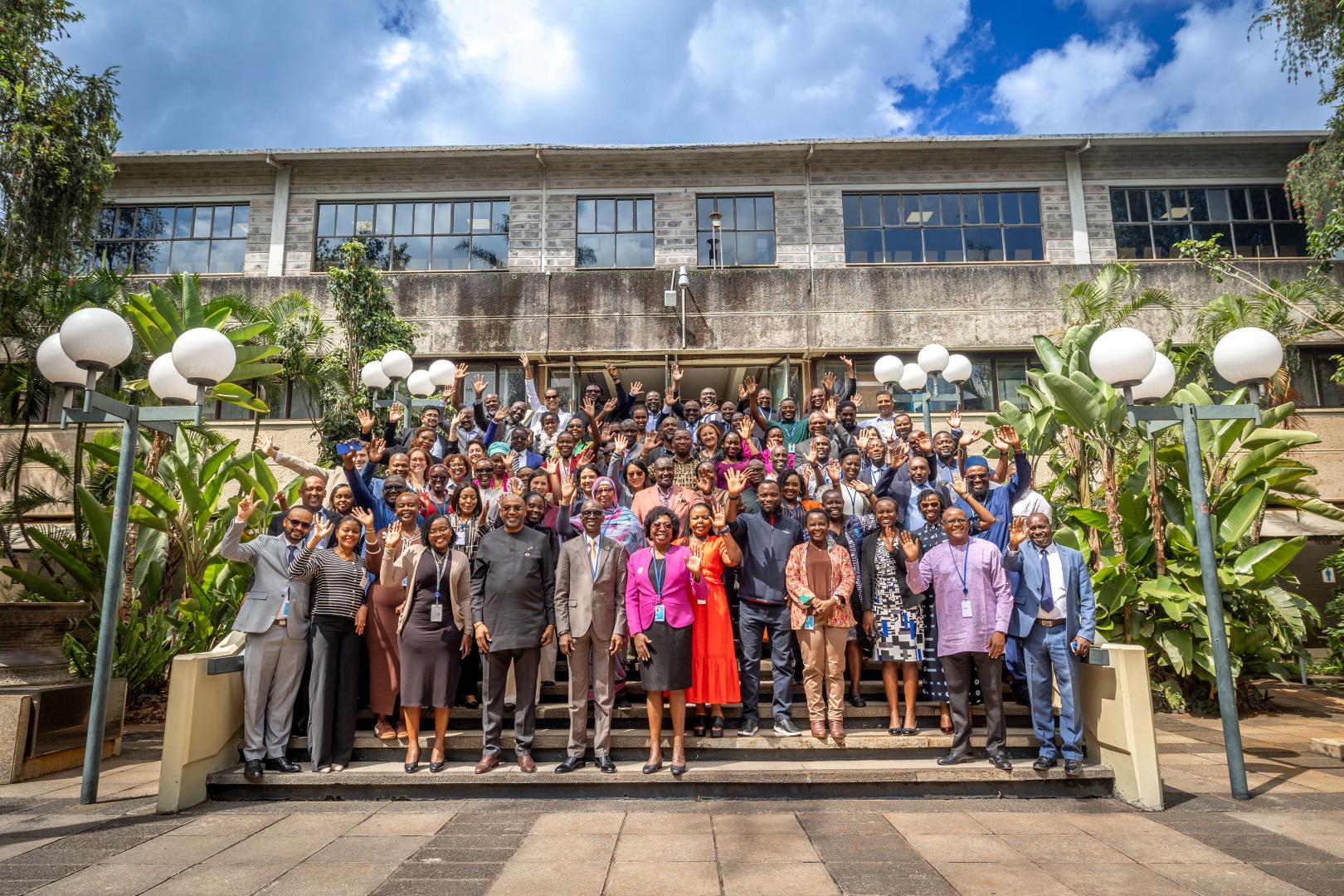
Geneva, Switzerland, 24 April 2026- /African Media Agency (AMA)/- World Health Organization (WHO) is poised to be a significant presence at the upcoming World Health Summit (WHS) Regional Meeting 2026 in Nairobi, Kenya. For the first time at either a global or regional level, WHO is co-organizing a meeting with the World Health Summit. This initiative has been spearheaded by WHO in the African region and is the result of an innovative partnership with WHS and Aga Khan University, Kenya.

The regional meeting, taking place from 27‒29 April 2026, will bring together global health leaders, policymakers, researchers and development partners to advance solutions for stronger and more resilient health systems.

Hosted by WHS and Aga Khan University and held in partnership with WHO, the Ministry of Health in Kenya and the Africa Centres for Disease Control and Prevention, the meeting will bring together over 1000 delegates from around 50 countries, participating in 80 sessions focused on strengthening health systems resilience, advancing universal health coverage and accelerating innovation in global health.

WHO has been actively engaged in the development of 80% of the meeting sessions, helping shape an agenda which focuses on strengthening health systems resilience, advancing universal health coverage and accelerating practical solutions to emerging health challenges.

“The World Health Summit Regional Meeting will focus on a theme that is important for the continent of Africa. We will be looking at the rising burden of chronic disease, changing patterns of infectious diseases and the health financing landscape in Africa and beyond,” says Professor Lukoye Atwoli, Dean of Medical College East Africa at The Aga Khan University, Kenya, and President of WHS Regional Meeting 2026.

Dr Mohamed Janabi, WHO Regional Director for Africa, is a keynote speaker in six high-level sessions, including the opening ceremony which will be attended by His Excellency Williams Ruto, President of Kenya. Dr Janabi will also be speaking at 4 sessions that are being led and organized by WHO in the African Region. Topics range from global health security, health financing, and digital health sovereignty to an important side event on the development of the WHO AFRO Regional Strategic Plan 2026–2030 and Vision 2035.

“The WHO Regional Office for Africa is honoured to co-convene this World Health Summit Regional Meeting. Over these three days we will consolidate proof and deepen resolve. We will leave with regional commitments that are global in ambition,” says Dr Janabi.

Aside from Dr Janabi, Dr Hanan Balkhy, WHO Regional Director for the Eastern Mediterranean Region, and Dr Hans Kluge, WHO Regional Director for the European Region, will attend the summit and give keynote speeches in several sessions. Eleven WHO programme directors from around the globe will attend as speakers and seven WHO staff are panel chairs for sessions. WHO has a confirmed speaker in 22 of the 80 sessions.

In total, almost 90 WHO staff are participating in the regional meeting. This includes around 20 support staff who will provide administrative, logistics and communications support to WHO speakers, chairs and other delegates. Staff are drawn from 4 country offices—Kenya, Ethiopia, Eritrea and Ghana—the three regional offices and WHO headquarters in Geneva.

The WHO exhibition booth promises to be a dynamic and meaningful space, featuring latest WHO publications, an interactive virtual reality installation which simulates polio vaccination in a community, and a demonstration of a WHO-developed AI application for emergency response.

Distributed by African Media Agency (AMA) on behalf of World Health Organisation.

The post Welcome to Nairobi—let’s build together at World Health Summit Regional Meeting 2026 appeared first on African Media Agency.
Industry leaders meet to discuss impact of compliance pressures on HR priorities in South Africa

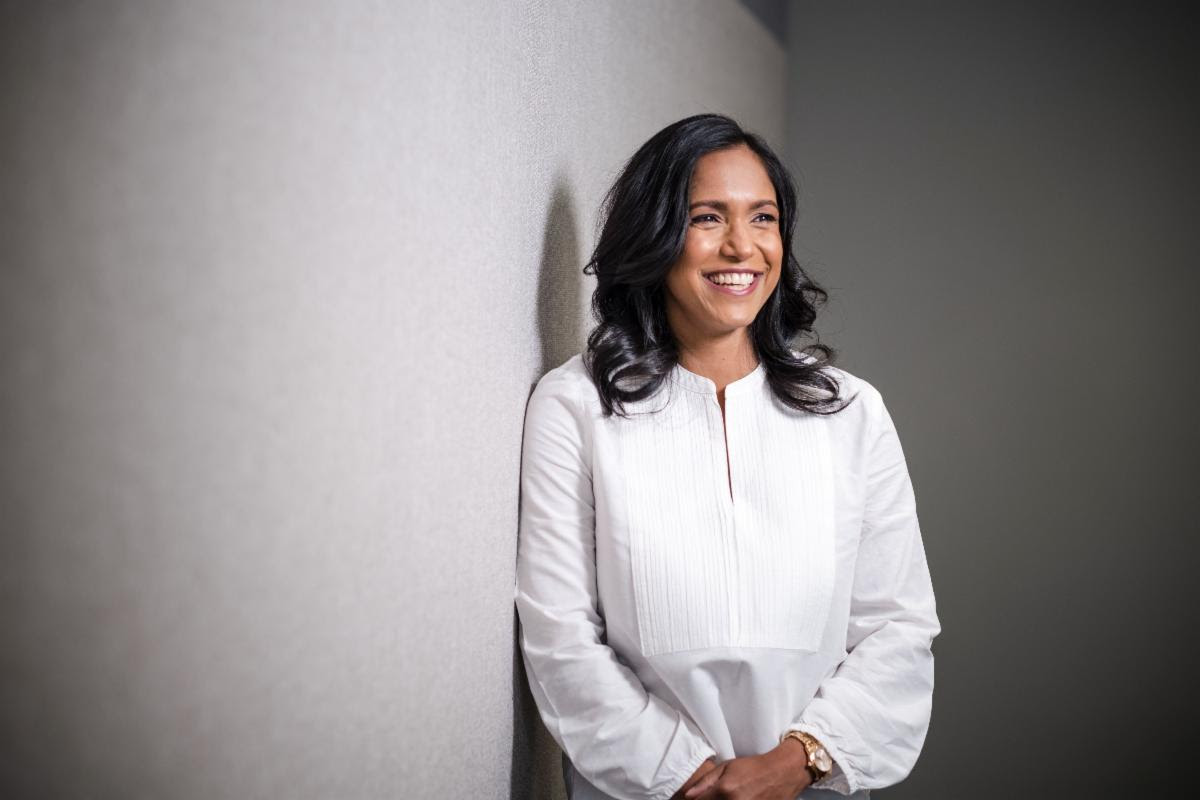
Nazia Pillay, Managing Director for Southern Africa at SAP

JOHANNESBURG, South Africa, April 23rd, 2026-/African Media Agency(AMA)/ – Business leaders, HR professionals and technology experts gathered in Johannesburg today to explore how organisations can navigate rising regulatory complexity while building more connected, high-performing workforces.

SAP HR Connect brought together a community of HR leaders to discuss how digital technologies are helping organisations reduce compliance risk, streamline operations, and unlock more strategic value from their people functions.

Nazia Pillay, Managing Director for Southern Africa at SAP, says the South African employment landscape is at a critical point. “Public and private sector companies are racing to unlock the power of AI and cloud technologies to improve their competitiveness and build capacity for future innovation. Every organisation needs an active, motivated and fully enabled workforce to realise full value from business transformation initiatives. At a time when demand for certain skills is at an all-time high, companies are increasingly leveraging powerful human capital management technologies to attract, retain and empower their employees.”

South Africa’s employment landscape is undergoing significant change, with new and proposed legislation introducing greater complexity into HR operations. Recent developments include the overhaul of parental leave following a landmark Constitutional Court ruling, proposed increases to statutory severance pay, and new regulations governing unpredictable and on-call work.

Together, these changes are increasing the administrative burden on HR teams and raising the stakes for compliance. Organisations must now manage more complex policies, maintain accurate and defensible records, and ensure consistent application of rules across increasingly diverse and dynamic workforces.

“HR teams are operating in a fundamentally different environment today,” said Manishwar Tiwary, Head of SAP HCM for MEA South. “Compliance is no longer a periodic exercise but a continuous, data-driven discipline. Organisations that continue to rely on spreadsheets and fragmented systems without leveraging the power of AI-driven innovations are exposing themselves to unnecessary risk and inefficiency.”

Many organisations continue to rely on manual processes such as spreadsheets and disconnected systems to manage HR activities. However, these approaches are increasingly unsustainable in a fast-changing regulatory environment.

Tiwary says manual systems make it difficult to maintain accurate, up-to-date employee records, track compliance requirements, and produce reliable audit trails. “They also consume a significant portion of HR capacity, limiting the ability of teams to focus on higher-value activities such as talent development, workforce planning, and employee experience. As compliance requirements grow more complex, the need for integrated, digital HR systems is becoming more urgent.”

A 2025 PwC global study found that 82% of companies are planning to invest more in technology to drive compliance activities in a clear signal that the limitations of manual approaches have reached a tipping point. The study identified faster identification of compliance issues (53%), better risk visibility (64%), and increased productivity (43%) as the leading drivers of compliance technology adoption.

Ravika Bandyopadhyay, Group Human Capital: Chief Operating Officer, Sanlam, said: “We have adopted an ambidextrous strategy for our digital and data transformation journey, simultaneously exploiting operational excellence, proficiency and efficiency in our current landscape while exploring incremental innovation that enhances and elevates the user experience while driving the longer-term transformation journey focused on leveraging intelligent, transformative technology to drive business value.”

By digitising HR processes and documents, organisations can create a single source of truth for employee and organisational data — including positions, time tracking, and cost centres — ensuring information is accurate, consistent, and always up to date.

Kammy Sing, Chief Operating Officer Discovery People, Discovery Ltd, noted that shared services is a catalyst for reinvention. “When data, technology, and people are fully integrated, organisations don’t just scale but evolve, creating platforms for growth, innovation, and long‑term impact.”

Integrated capabilities across recruiting, onboarding, payroll, and time management further streamline processes and support compliance from hire to retire. In addition, continuous performance management, learning, compensation, and succession planning capabilities help organisations not only remain compliant but also build more engaged and resilient workforces.

“Digitisation should go beyond efficiency to enable HR to play a more strategic role in the business,” says Tiwary. “When compliance is embedded into systems and processes, HR teams are freed up to focus on developing talent, strengthening culture, and driving long-term organisational performance.”

Distributed by African Media Agency (AMA) on behalf of SAP

About SAP
As a global leader in enterprise applications and business AI, SAP (NYSE:SAP) stands at the nexus of business and technology. For over 50 years, organizations have trusted SAP to bring out their best by uniting business-critical operations spanning finance, procurement, HR, supply chain, and customer experience. For more information, visit www.sap.com.

The post Industry leaders meet to discuss impact of compliance pressures on HR priorities in South Africa appeared first on African Media Agency.

WASH Media network swaps pens for brooms in nationwide hospitals clean up drive

BLANTYRE-(MaraviPost)-In a rare and inspiring shift from reporting to action, journalists under the WASH Media Forum Malawi are set to roll up their sleeves this Friday to lead a massive clean up exercise in three of Malawi’s major hospitals.

The initiative, taking place on April 24, 2026, will see media practitioners descend on Queen Elizabeth Central Hospital, Bwaila Hospital and Mzuzu Community Hospital in a coordinated effort aimed at improving hygiene standards in public health facilities.

From 08:00 to 12:00 hours, about 30 journalists are expected to work side by side with hospital staff, including nurses and cleaners, as well as volunteers from the general public.

The clean up will involve sweeping wards and corridors, scrubbing floors, collecting waste, and disinfecting high contact surfaces all while using proper protective equipment to ensure safety.

Organisers say the move signals a shift in the role of journalists, from merely highlighting challenges in water, sanitation and hygiene (WASH) to becoming part of the solution.

The Forum emphasises that maintaining clean hospital environments is critical in preventing infections such as sepsis, surgical site infections and diarrhoeal diseases, which remain a concern in many health facilities.

Cleanliness in hospitals, they stress, is not a luxury but a necessity that safeguards patient safety, preserves human dignity and ensures a safe working environment for health workers.

The initiative also aligns with global development goals that promote access to clean water, improved sanitation and good health for all citizens.

Support for the exercise has come from key stakeholders including Gazette Media and WASAMA, alongside Kaweche.

Members of the public have been encouraged to take part in the exercise, with organisers urging participants to bring protective gear such as gloves and face masks where possible.

Speaking ahead of the exercise, Forum Chairperson Meclina Chirwa said the initiative marks a turning point in how journalists respond to public health challenges.

“We have written many stories about the state of hygiene in our hospitals. This time, we are taking action,” Chirwa said, adding that the exercise is a call for increased investment in hospital sanitation by both government and development partners.

After the clean up, the Forum is expected to release a report highlighting key findings including the availability of essential services such as running water, soap and proper sanitation facilities in the hospitals.

The exercise is not just about cleaning it is about setting a standard, inspiring responsibility and proving that collective action can transform Malawi’s public institutions.

Ombudsman probes MBC Chief Brian Banda’s recruitment

BLANTYRE-(MaraviPost)-The Office of the Ombudsman says it has started investigating the recruitment of Malawi Broadcasting Corporation (MBC) Director General (DG), Brian Banda, following a formal complaint alleging serious irregularities in his appointment process.

In a letter seen by Maravi Post, the Ombudsman’s office confirms that investigators have opened a file and have already issued the statement broadcaster with a Notice of Investigation, requesting the corporation’s official response to the claims.

The investigations follow a complaint by journalist Davie Danford Mchinga who argues that Banda does not possess the requisite qualifications for the DG post.

Mchinga, currently based in Fayetteville, North Carolina, USA, further argues that Banda’s appointment was a direct violation of MBC’s own recruitment procedures, noting that the position was never advertised and that Banda was not subjected to any competitive interviews before his appointment.

Director of Investigations and Research at the Ombudsman’s office,Martha Ndeyana Kwengwere, is leading the inquiry.

In a letter to the complainant, she states that once MBC provides its side of the story, her office will inform all parties of the next steps.

Kwengwere has since urged the public to allow the investigative process to conclude before drawing conclusions.

So far,Neither MBC nor Banda has officially commented on the matter.

This marks the first formal probe into Banda’s leadership at the state broadcaster since he assumed the role last month.

Currently,there are no official records of Banda’s qualifications.

Banda once worked for Capital Radio before becoming a press officer for former President Joyce Banda.

He later joined Times Media Group.

Former President Lazarus Chakwera appointed him as press officer.

He was later dismissed and returned to Times Media Group where he remained until his current appointment as MBC DG.

South Sudan at the Edge of a Promise: Can the Transition Hold

By Amb. Godfrey Madanhire

South Sudan’s plan to form a caretaker government in preparation for elections has drawn immediate attention across East Africa although the reaction has been measured. After years of shifting timelines, the announcement has revived a question that has followed every stage of the transition. Is this the moment when the country finally moves toward an election that holds? The region has watched deadlines slip and agreements stretch and this history shapes how the new proposal is being interpreted.

Diplomats and regional observers note that the hesitation is not rooted in suspicion and unjustified scepticism. It comes from long engagement with a process that has demanded patience at every turn. States that have mediated through difficult periods understand how easily transitions can lose direction. Communities that have waited for institutions to mature know that progress requires more than political rhetoric. South Sudan’s story has always carried both the pride of its emergence and the weight of its unfinished work.

South Sudan at the Edge of a Promise
South Sudan at the Edge of a Promise: Can the Transition Hold

The pride is remembered clearly. The 2005 Comprehensive Peace Agreement and the 2011 referendum remain among the most significant expressions of African self‑determination. Kenya’s Former  President Mwai Kibaki described the referendum as a people choosing their destiny. Uganda’s President Yoweri Museveni called the birth of the new state a triumph for African freedom. Their words captured the continental sense of possibility that accompanied South Sudan’s entry into the world.

The years that followed demanded a different kind of endurance. Statehood required institutions that were still forming. The conflict that erupted in 2013 reshaped the political landscape and forced the region into sustained mediation. The Revitalised Peace Agreement of 2018 set out commitments that remain central to the country’s future. A constitution is still being drafted, security arrangements are still evolving, a unified army is still taking shape and a census still lies  ahead. These are not just technical outstanding matters. They are serious structural conditions that determine whether an election can carry national expectations without strain. Ambassador Ireneo Namboka has cautioned that a failure to consolidate this transition would be an embarrassment to the continent and an unexpected gift to detractors who question Africa’s capacity to steer its own political projects to completion.

This is the context in which the caretaker proposal is being assessed. It creates room for preparation although it also raises expectations. President Salva Kiir has said the coming election will be the moment when the people decide the direction of the nation. First Vice President Riek Machar has emphasised that the peace agreement remains the guide toward a peaceful vote. Their statements set a public frame yet the region will look for decisions that show the transition is being treated as a responsibility to the state rather than a political manoeuvre.

Neighbouring countries understand the stakes with precision. Uganda views stability in South Sudan as essential to regional security. Kenya sees such developments as an opportunity to positively influence trade and investment. Ethiopia watches closely because activities in Juba affect the wider Horn. These states have invested diplomatic capital for years and now want to see whether this step signals a shift from intention to implementation.

The broader continent is also watching for a deeper reason. South Sudan’s journey reflects a challenge that many African states have confronted at different moments in their histories. How does a country born from liberation build institutions strong enough to sustain its sovereignty? How does a young state move from the memory of struggle to the discipline of governance? How does a nation protect its independence while still learning the habits of a stable political culture? These are continental questions that have shaped transitions from West Africa to the Great Lakes and they shape the way this moment is being interpreted.

South Sudan’s sovereignty carries a weight earned through extraordinary sacrifice. It lives in communities that endured displacement and returned home. It also lives in a generation that has known only an independent South Sudan. The caretaker government becomes a test of how that sovereignty is carried forward. The country must show that it can prepare for an election that reflects the will of the people, manage a transition without reopening old fractures and approach this period as a national obligation.

There is hope in the moment although it is  disciplined and calculated optimism shaped by history rather than sentiment. Transitions succeed when they are handled with a degree of  seriousness and the coming period will reveal whether the country is ready to meet that standard. If December 2026 becomes a moment of renewal, South Sudan will take a step towards the political maturity it has long sought. If the transition holds, the country will demonstrate that even the youngest states can grow into stable governance. If the election reflects the will of the people, the nation will strengthen the sovereignty it fought so hard to claim.

The continent stands ready to support that step. The responsibility now rests with South Sudan to show that this time the moment will move forward with purpose.

Authored by His Excellency Ambassador Godfrey Madanhire,
Chief Operations Officer, Radio54 African Pan
orama, Pan-Africanist and Advocate for Sovereign African Governance,
Director of Communications and Partnerships-AIGC

Isn’t this disrespectful for Edgar Lungu’s remains reportedly missing amid court battle against burial in Zambia

LILONGWE-(MaraviPost)-What began as a drawn-out and controversial delay in giving former Zambian president Edgar Lungu a dignified burial has taken a chilling turn, transforming from a national unease into an international shock after his remains reportedly vanished overnight under mysterious circumstances.

The remains of Zambia’s former president, Edgar Lungu, have reportedly been stolen under unclear circumstances, marking a deeply troubling chapter in what was already a sensitive and widely criticized situation.

For nearly a year, the former leader’s body had not been buried, with the family citing unresolved issues surrounding funeral arrangements and other undisclosed concerns.

That delay had drawn growing scrutiny from citizens, leaders, and international voices alike.

Now, the unthinkable has happened.
Family representatives confirmed earlier this week that the body is missing.

According to their statement, they have no knowledge of who might have taken it or why.

Authorities have yet to provide concrete leads, and investigations are said to be ongoing.

“This is not just a family matter anymore it is a national and moral crisis,” said one local political analyst.

“The failure to bring closure has opened the door to something far more disturbing.”

Across Zambia and beyond, reactions have been swift and emotional. Many have expressed outrage over both the initial delay in burial and the subsequent disappearance.

Cultural and traditional leaders have also weighed in, emphasizing the importance of timely and dignified funerals, especially for figures of national significance.

Social commentators argue that the situation reflects deeper tensions possibly involving political disagreements, family disputes, or state-level complications that were never fully addressed.

Others warn that the incident risks eroding public trust and tarnishing the legacy of a man who once held the highest office in the land.

Meanwhile, calls are mounting for a transparent investigation and swift action to recover the remains.

Religious leaders have urged calm and unity, while stressing the need for respect for the deceased.

As the mystery deepens, one thing is certain what should have been a solemn and respectful farewell has instead become a haunting story of delay, controversy, and now, disappearance.

Lungu died on 5th June 2025.

Mutharika won’t be intimidated: MCP must answer for crisis they created

By Dickson Kashoti

President Professor Arthur Peter Mutharika is not a man who governs by ultimatums, threats, or political blackmail.

He remains unshaken, resolute, and firmly in control—despite a hollow 48-hour ultimatum issued by officials from the Malawi Congress Party yesterday.

Let it be stated without apology: Malawi is in crisis. But this crisis is not new—and it did not fall from the sky.

It is the direct consequence of reckless governance, economic vandalism, and systemic looting under the MCP administration.

The same Malawi Congress Party that is today pretending to be a voice of concern is the very architect of the collapse they now seek to politicise.

Malawians are not fools.
They remember the fuel queues.
They remember the darkness from endless blackouts.
They remember dry taps.
They remember the empty shelves, the suffocating cost of living, and the humiliation of a nation brought to its knees—not by external forces, but by its own leaders.

Nothing captures this betrayal more brutally than the scandal of the missing 27 million litres of fuel donated by the Democratic Republic of the Congo.

Thirty million litres were given to Malawi as a lifeline. Only 2.3 million litres can be accounted for. The rest—27 million litres—disappeared into thin air.

This was not incompetence. This was not mismanagement. This was organised plunder.

This was theft on an industrial scale—an unforgivable act of economic sabotage carried out while ordinary Malawians slept in fuel queues for days.
While citizens suffered, a cartel of politically connected elites allegedly turned humanitarian aid into a private cash machine.

And today, those same individuals—or their political sponsors—have the audacity to issue ultimatums?
They should be answering questions—not issuing threats.

On foreign exchange, the situation is equally damning. President Mutharika inherited an economy on life support, with depleted reserves at the central bank—a problem worsened catastrophically under Lazarus Chakwera.

Instead of stabilising the economy, the Chakwera administration drove it deeper into crisis through incompetence, poor judgment, and reckless experimentation.

The appointment of an unqualified and incompetent Finance Minister was not just an error—it was an act of economic negligence.

The disastrous 44 percent devaluation of the Kwacha—undertaken under the watch of the International Monetary Fund programme—crippled households overnight, sending prices soaring and crushing already struggling families.

And when the IMF walked away, citing fiscal indiscipline and uncontrolled spending, the truth became undeniable: the government had completely lost control.
Let us be clear—this is not leadership. This is failure.
Total failure.

Now, having presided over one of the most painful economic declines in recent history, the MCP wants to posture as saviours?
They want to shout from the rooftops and pretend they have answers?
Malawi deserves better than this hypocrisy.

If the MCP has solutions, let them present them.
If they have ideas, let them debate them.
But they must stop insulting the intelligence of Malawians with empty ultimatums and recycled rhetoric.
Leadership is not noise. Leadership is responsibility.

In contrast, President Mutharika is doing the real work—quietly, deliberately, and decisively.
No theatrics. No empty slogans. No desperate attempts to score political points.

His administration has already moved into action—tightening fiscal discipline, restructuring debt, and implementing pragmatic economic measures to stabilise the Kwacha and restore confidence.

These are not campaign slogans. These are hard decisions.
This is leadership.

Even in opposition, voices such as Dalitso Kabambe and Atupele Muluzi have demonstrated maturity—criticising where necessary, but also offering alternatives.
That is what responsible politics looks like.
Not threats. Not ultimatums. Not propaganda.

Malawi stands at a critical crossroads.
This is not a time for political games.
This is not a time for those who broke the system to pretend they can fix it.
This is a time for steady leadership, difficult decisions, and national unity.
President Mutharika will not be distracted.
He will not be intimidated.
And he will not be lectured by those who drove this country into the ground.

Malawi will recover—not through noise, but through discipline, leadership, and accountability.

And history will judge—very harshly—those who chose greed over country when Malawi needed them most.

Ndiope ndani?

Kenya and France pave the way for future-oriented partnerships for innovation and growth ahead of the Africa Forward Summit 2026

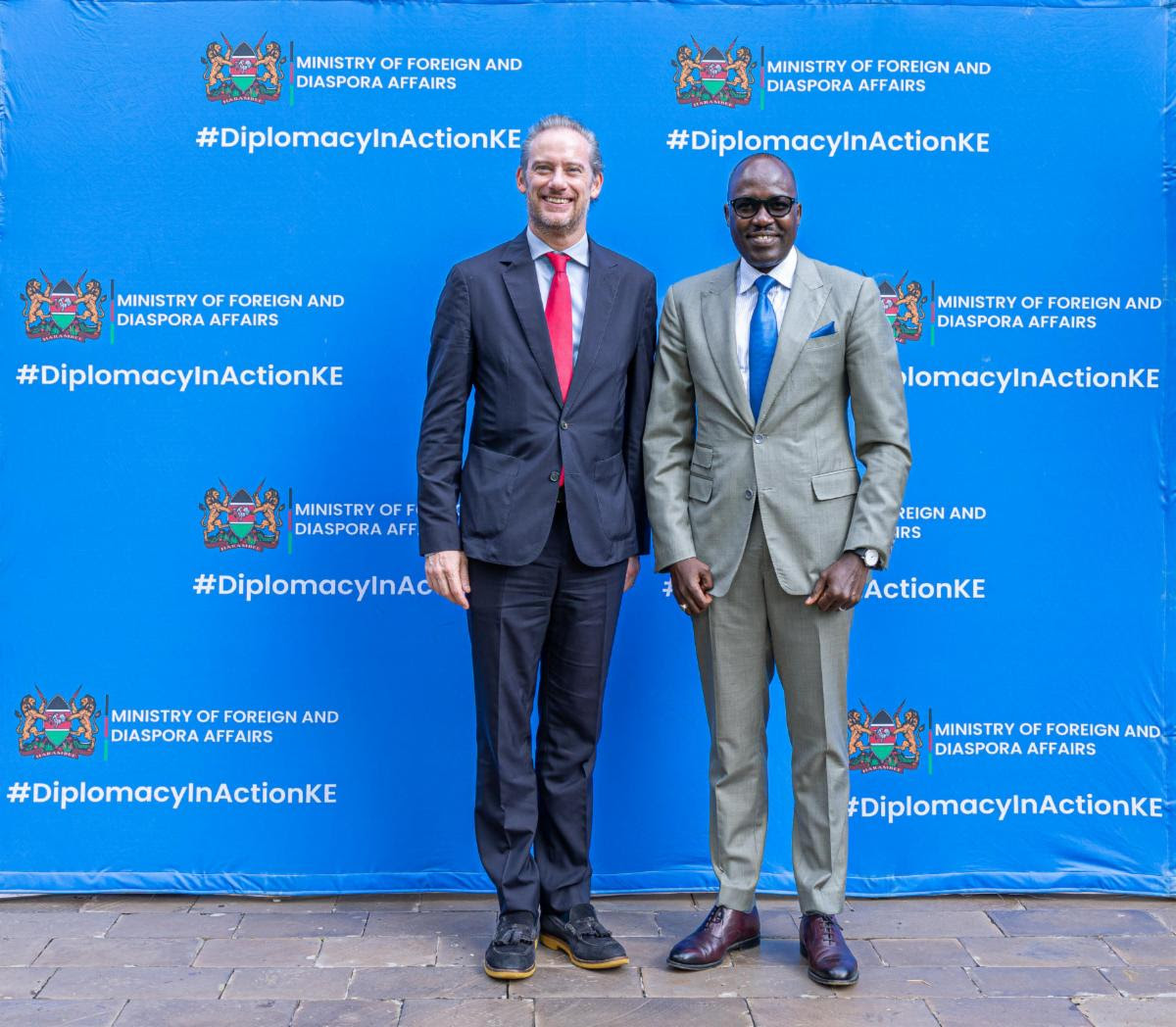
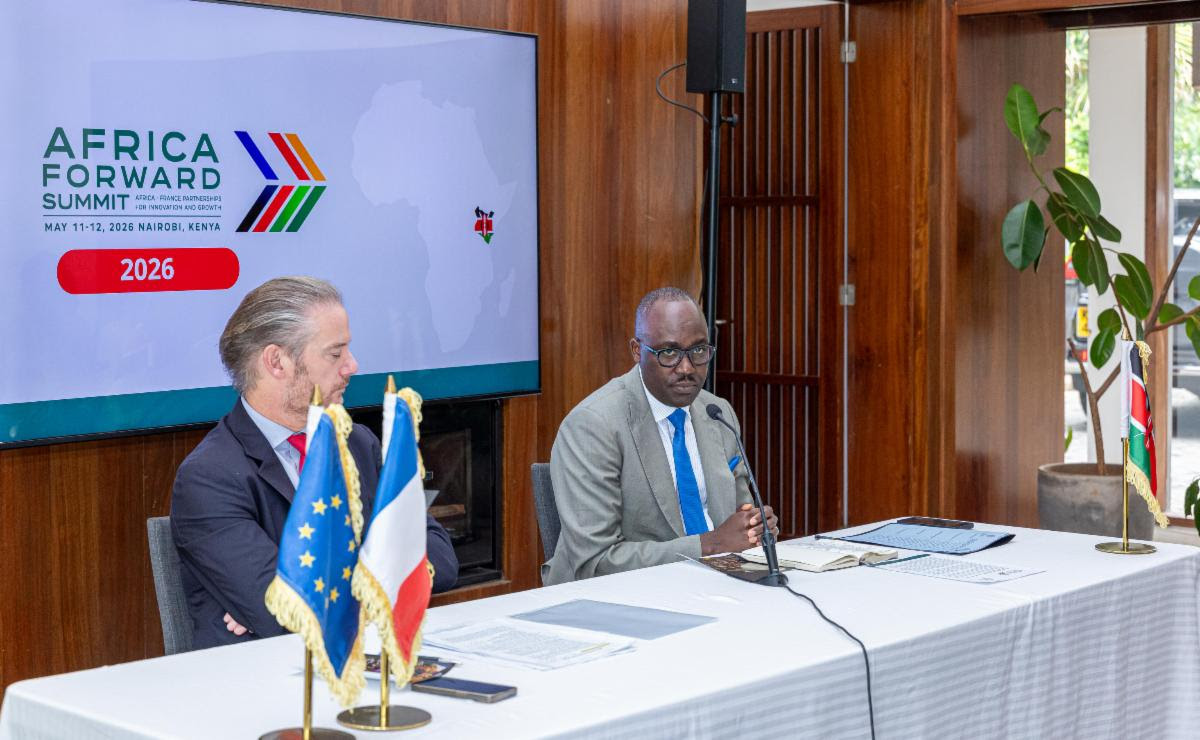
NAIROBI, Kenya, 23 April 2026 -/African Media Agency(AMA)/ – Kenya and France have signalled a new wave of high-impact strategic partnerships across Africa, as preparations intensify for the Africa Forward Summit (AFS) 2026, following a highlevel engagement with the Kenya Editors Guild.

In a decisive shift from dialogue to delivery, the Summit is positioning itself as a deal-making platform, expected to step up mutual investment and unlock partnerships across AI and digital innovation, nuclear and renewable energy, health manufacturing, infrastructure, transport, agriculture, and the creative economy – sectors critical to Africa’s long-term growth.

With between 1,500 to 2,000 global CEOs and business leaders anticipated, the Africa Forward Summit 2026 is emerging as one of the largest Africa–Europe investment convenings in recent years. Speaking during the engagement, Dr. Korir Sing’Oei, Principal Secretary, State Department for Foreign Affairs emphasized the need to re-frame the Africa–France relationship in place of old stereotypes and barriers to progress that can limit innovation, constrain partnerships, and ultimately slow down development.

“France is looking for a new relationship with Africa, one that is grounded in mutual respect, shared opportunity, and practical outcomes. We must consciously move away from pre-written narratives that have historically defined this relationship. Africa Forward Summit is about breaking these barriers and focusing on solutions,” said Sing’Oei.

The Summit will spotlight artificial intelligence and digital transformation ecosystems,. Other key areas include health sector investments, including local manufacturing of essential commodities, creative and cultural industries as economic drivers and sports as an emerging frontier for investment and job creation.

Additionally, energy transition and infrastructure development alongside regional connectivity systems, agriculture and food systems transformation will feature in the high-level summit that is designed as a reset of Africa–France relations.

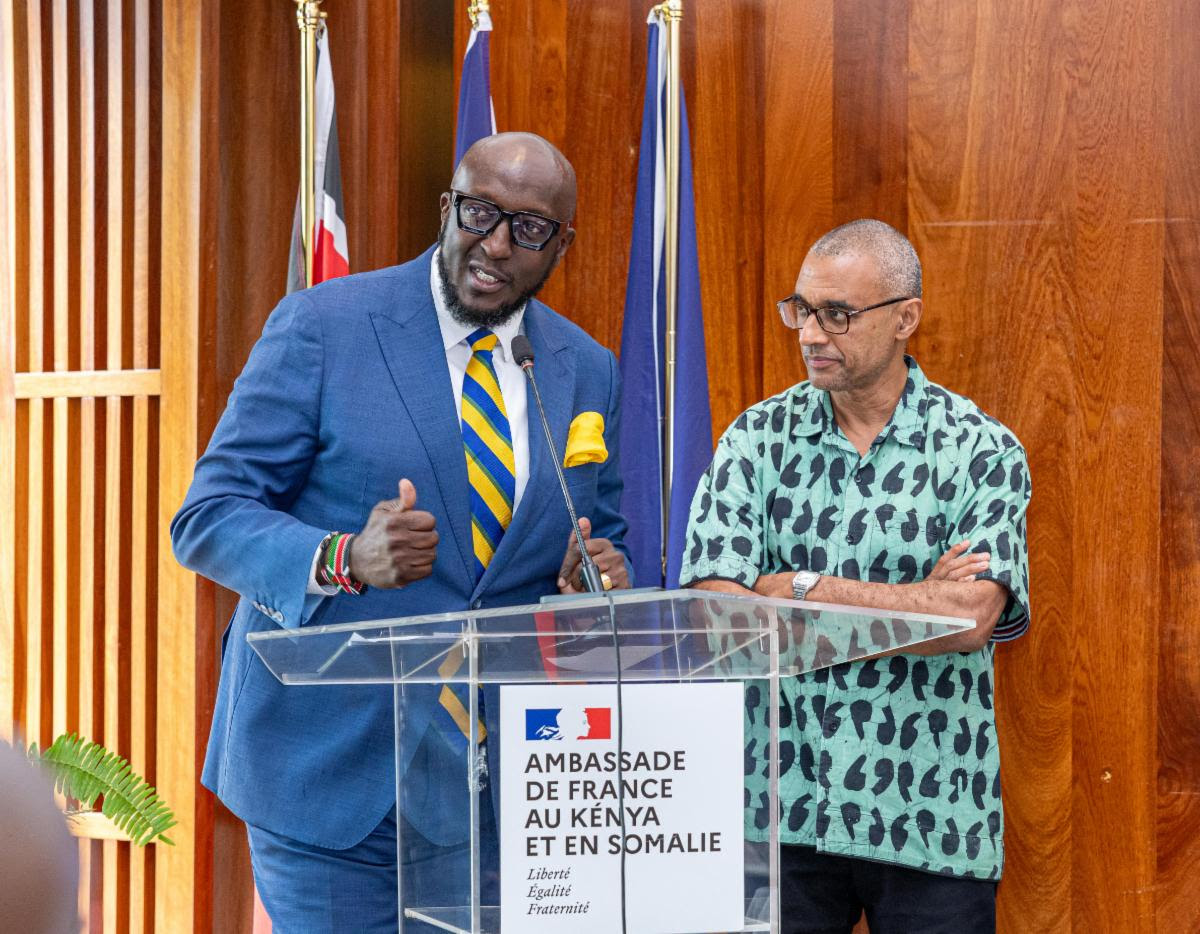
Reinforcing the economic weight behind the Summit, Arnaud Suquet, Ambassador of France to Kenya, Somalia, and Permanent Representative to the United Nations, highlighted France’s sustained commitment to Africa and Kenya.

“Over the past decade, French investments in Kenya have grown significantly, particularly in energy, infrastructure, and services. Today, more than 140 French enterprises operate in Kenya. In the past decade, France has invested an estimated €1.8 billion in Kenya in sectors of employability and sustainability for a better future.” Said Suquet.

France currently ranks as Kenya’s 4th largest foreign direct investment partner as well as the leading bilateral partner in Kenya’s energy sector. According to Suquet, global convergence around key issues such as climate action, digital transformation, and sustainable development are constantly creating new opportunities for deeper Africa–France collaboration.

Africa Forward Summit 2026 is not only a government-to-government (G2G) Summit, as the two leaders emphasized that private sector capital will be central to delivering the envisioned outcomes out of the Summit.

“Governments alone cannot drive economic transformation at the scale Africa requires, therefore private sector participation at the Africa Forward Summit is not complementary but quite essential if we are to deliver on the commitments”, noted Dr. Sing’oei.

The Summit scheduled for May 12, at the Kenyatta International Convention Centre (KICC) will be preceded and accompanied by a series of high-impact engagements designed to drive both policy and people-to-people connections, most of them being held at the University of Nairobi on May 11.

These include the Africa Forward Literary Festival on May 8, Civil Society Forum on May 10, a Youth & Innovation Engagement on May 11 and two high-level Creative Industries and Sports Engagement the same day. The Summit will culminate in the ‘Africa Forward Le Concert’, a flagship cultural diplomacy event at Moi International Sports Centre Kasarani Indoor Arena.

On the line up are leading African artists including Youssou N’Dour, Fally Ipupa, Yemi Alade, Nomcebo Zikode, Savara, and Jose Chameleone among others.

The engagement with the Kenya Editors Guild underscored the critical role of media in shaping public understanding and ensuring accountability. Editors were briefed on the Summit’s outcomes-driven approach, pipeline of expected deals and partnerships as well as the importance of balanced, evidence-based reporting.

Africa Forward Summit 2026 will mark the first Africa–France Summit of its kind hosted in Anglophone Africa, underscoring Kenya’s growing role as a continental convenor of global dialogue and investment. Africa Forward 2026 is expected to culminate in a Nairobi Declaration and a series of action-oriented deliverables, positioning the Summit as a turning point in Africa–France engagement, ahead of the G7 Summit that will be held in Evian-lesBains, France, in June. Certain conclusions of the Africa Forward Summit will provide substance at the G7 level, in which Kenya will participate.

Distributed by African Media Agency (AMA) on behalf of Africa Forward

About the Africa Forward Summit (AFS) 2026
The Africa Forward Summit is a joint Africa–France initiative, co-convened by the Republic of Kenya and the Republic of France, with African Union endorsement. It takes place in Nairobi on 11–12 May 2026 and represents a structural shift in how Africa and France engage – from a donor-recipient dynamic to a partnership grounded in innovation, parity and shared implementation. It prioritizes African agency and serves as a catalyst for sustainable development and inclusive prosperity. #AfricaForward

The post Kenya and France pave the way for future-oriented partnerships for innovation and growth ahead of the Africa Forward Summit 2026 appeared first on African Media Agency.

CDEDI demands clueless Finance Minister Mwanamvekha sacking over forex crisis amid overreturns report

LILONGWE-(MaraviPost)-The country’s civil rights group Centre for Democracy and Economic Development Initiatives (CDEDI) is calling President Peter Mutharika to fire Finance Minister Joseph Mwanamveka over clueless over forex scarcity.

The call comes barely weeks after this publication exposed Mwanamvekha’s failure to address economic challenges seven months in power from September 2025.

Mwanamveka has failed to provide tangible economic policies that invigorate growth including availability of forex.

Addressing the news conference in the capital Lilongwe on Thursday, April 23, 2025, CDEDI Executive Director Sylvester Namiwa demanded Mwanamveka to come out on how he is addressing forex crisis.

CDEDI says if Mwanamveka fails to explain, the Minister must resigjn or get fired to pay away for capable people to fix ailing economy.

Meanwhile, there has been allegations that Mwanamveka is involved into flooding forex to parallel markets for personal interests…

Here is full CDEDI Statement issued during the press statement….

THE ARTISAN MINERS SAVED THE SITUATION, HON. MWANAMVEKHA OWES MALAWIANS AN EXPLANATION!

The Centre for Democracy and Economic Development Initiatives (CDEDI) feels duty-bound to weigh in on Hon. Shadric Namalomba’s sentiments that were quoted by Zodiak Broadcasting Station, indicating that the country’s fuel storage facilities are completely empty, and that apart from the war in the Middle East, he attributed the continuing fuel scarcity in the country to lack of forex.

Our position is that the Information Minister was honest and spoke the truth about the situation on the ground.

Actually, his sentiments fell short of acknowledging that the ripple effects of the fuel crisis are steadily crippling all the sectors, including; health, agriculture, manufacturing, electricity generation and telecommunications.

The rare, honest and candid sentiments from the government chief public relations officer have sent the nation into panic mode that has resulted in elongated fuel queues and worsened the forex exchange rate.

Ironically, the sentiments came against a backdrop of media reports of government saying that the country’s foreign exchange reserves were improving.


Nonetheless, Hon Namalomba’s sentiments have brought to scrutiny the ruling Democratic Progressive Party (DPP) manifesto, a document that cemented the social contract between the party and Malawians in the run-up to the September 16, 2025 elections.

For the avoidance of doubt, the DPP promised Malawians to deal with the food, fuel, forex and fertiliser challenges that tormented the country in the
five years under the Malawi Congress Party (MCP) administration.

As fate would have it, under the Economy and Debt section in the manifesto, the DPP promised to deal with the forex challenges within six months of coming into power.

In view of the above promise, CDEDI is challenging the Finance Minister, Joseph Mwanamvekha, to share his forex turnaround strategy in line with
the DPP manifesto, or admit that he has let down President Arthur Peter Mutharika and Malawians on one hand or, indeed, prove Namalomba wrong.

In the event that Mwanamvekha does not have a turn-around strategy, six months down the line as stipulated in the DPP manifesto, CDEDI is challenging him to immediately step aside and pave the way for someone capable of helping the DPP in fulfilling its promise of fixing the 4Fs’ challenges.

Related to that development, CDEDI is excited to learn that government, through the Reserve Bank of Malawi, has sold the gold that it had bought from artisan miners, and that the proceeds have been ring-fenced for fuel procurement.

Thus far, CDEDI is challenging the Minister of Mining and Energy to quickly organise artisan miners into cooperatives and license them as we believe that
will assure the nation of accumulation of over 50 kilogrammes of gold per month, translating to about US$1.2 billion annually.

Apart from licensing artisan miners, CDEDI is recommending government to also put in place mechanisms that will ensure workplace safety,
environmental and sanitation-conscious mining as the miners bail out the country from the current forex crisis and by extension fuel.

Additionally, authorities should review and lift the ban imposed on gemstones since the country sits on 26 types of such ultra-high value stones such as
rubies and sapphires that can bring in the much needed forex.

Meanwhile, CDEDI is challenging Malawians to stop celebrating Malawians of Asian origin in petty trading. In turn, government must provide incentives to those that are into production for exports so that they can help to bring in the much-needed forex.

Authorities should also recast the National Budget by making a dedicated investment into forex generation by cutting the fertiliser subsidy that only bleeds the country of forex and use proceeds from the same to finance production of irrigation of soybean for exported to China, birds eye pepper for the Indian market, tomatoes and onions for the Middle East, to compliment the artisan gold mining.

Last, but not the least, CDEDI is appealing to government to suspend some levies and taxes on fuel in order to ease the suffering of Malawians in face of
the uncertainty in the fuel supply chain.

Will MacFarlan take Chelsea to Champions League after Head Coach Liam Rosenior sacking

LONDON-(MaraviPost)-Chelsea have sacked Head Coach Liam Rosenior just four months into his tenure, the club confirmed today, with Callum McFarlane appointed as interim head coach until June.

Rosenior, who was appointed on a six-year contract, still had 5 years and 8 months remaining on his deal at the time of his dismissal.

Reports indicate the 40-year-old could be owed up to £24 million in compensation under the terms of his contract.

The decision ends a brief and turbulent spell for Rosenior at Stamford Bridge.

He took charge in December following the club’s managerial shake-up, but a run of inconsistent results and growing pressure from supporters appear to have forced the board’s hand.

Chelsea currently sit outside the European places in the Premier League, with performances failing to meet expectations despite significant investment in the squad.

Callum McFarlane, a member of the existing coaching staff, will take over on an interim basis until the end of the season.

The club stated that the search for a permanent successor is already underway, with a full-time appointment expected ahead of the 2026/27 campaign.

Transfer expert Fabrizio Romano first reported the news, noting the substantial compensation figure attached to Rosenior’s early exit.

The £24 million payout would rank among the largest managerial severance packages in Premier League history, reflecting the length and value of the deal Chelsea offered only four months ago.

Rosenior had previously managed Hull City and earned praise for his work in the Championship before making the step up to Chelsea.

His departure continues a period of managerial instability at the West London club, which has now seen multiple head coaches dismissed in recent seasons.

Chelsea are yet to issue a detailed statement beyond confirming the change.

McFarlane is expected to take his first training session tomorrow ahead of the club’s next fixture.

Exit mobile version