
Category Archives: Business

The Maravi Post is a leading source for reliable Business news and analysis on Business. Top African Business like  Dangote  Group in Nigeria, Mulli Brothers in Malawi

The 10 Greatest Living Business Leaders In Africa Today
  • Sheikh Mohammed Al-Amoudi, Ethiopian.
  • Raymond Ackerman, South African.
  • Aliko Dangote, Nigerian.
  • Manu Chandaria, Kenyan.
  • Onsi Sawiris, Egyptian.
  • Brian Joffe, South African.
  • Strive Masiyiwa, Zimbabwean.
  • Wale Tinubu, Nigerian.

Chakwera, Nyusi open National Agriculture Fair in Blantyre

By Memory Kutengule Chatonda

BLANTYRE-(MANA)-President Lazarus Chakwera and his Mozambican counterpart, Dr. Filipe Jacinto Nyusi on Thursday jointly inaugurated the 20th National Agriculture Fair at the International Trade Grounds in Blantyre.

The fair has brought together various local and international players to connect and explore new business opportunities in the agriculture sector.

Speaking during the opening ceremony, President Nyusi said his country will continue to strengthen bilateral ties with Malawi so that it benefits in various sectors of the economy such as agriculture, industry, tourism, information and communication.

He said his country is already investing in energy infrastructure as evidenced by the implementation of the Malawi-Mozambique power interconnection deal and the Nacala Railway, to ease transportation of goods and services and enable Malawi to become a vibrant economy.

Nyusi, therefore, encouraged business players in Malawi to take advantage of the trade opportunities available in Mozambique and neighboring countries to enhance the country’s export earnings.

On his part, President Chakwera said he is happy with the cordial bilateral relationship that exists between Malawi and Mozambique.

Chakwera said his administration is working tirelessly to sign deals across the globe to secure off-taker markets for the farmers’ crop produce.

“I have shared with you that in readiness for the boom in agricultural production and manufacturing that will come in the near future, courtesy of the Affordable Input Programme, Agriculture Commercialization Programme, Shire Valley Transformation Project, Mega Farms initiatives and dozens of irrigation schemes across the country, we are going around the world signing deals to secure markets,” he said.

“We want to take advantage of the African Continental Free Trade Area to secure markets in various countries, including Asia, Europe, Africa, America and Mozambique,” the Malawian leader added.

“For this to happen, we need first of all, to build trade relations with our neighboring countries. That’s why, my first six months in office, I moved around to discuss this and I am delighted that Mozambique is one of them, which is of strategic importance to our goals,” he said.

Chakwera, however, reiterated that he would continue to stand by his vision of job creation, wealth creation and food security as stipulated in the Malawi 2063 Agenda.

The President said for the three pillars in the ATM strategy to happen, there is a need for concerted efforts to boost the production and manufacturing of goods, agriculture, tourism and mining for export.

The President of the Malawi Confederation of Chambers of Commerce and Industry (MCCCI), Dr. Wisely Phiri hailed the two presidents for gracing the fair.

Phiri said the presence of Dr. Nyusi signifies a strong bilateral relationship that exists between Malawi and Mozambique in fostering trade ties between the two countries.

He commended the Mozambican Government for collaborating with Malawi in the implementation of various projects such as the Malawi-Mozambique interconnector pool to increase agricultural productivity and commercialization as well as the Nacala Development Corridor, which provides direct access to the sea for goods and services.

Phiri, however, challenged the participating exhibitors to utilize the platform to enhance trade opportunities with other business players.

In his remarks, Minister of Agriculture, Samuel Kawale said the future of agriculture in Malawi depends on innovation, research and commercialization, stating that the theme for this year’s fair resonates well with Malawi’s 2063 aspiration of achieving inclusive wealth, reducing poverty and promoting food security.

Earlier in the day, the two presidents toured selected pavilions mounted by different players showcasing various products, innovations and services.

This year’s fair will run for three days under the theme: ‘Driving towards export-oriented agriculture through commercialization and innovation.’
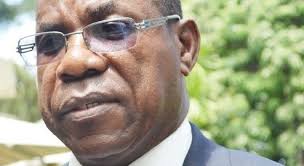
Pressure mount on CAMA’s chief John Kapito to resign over fuel prices adjustment push

LILONGWE-(MaraviPost)-Pressure is mounting on embattled Consumers Association of Malawi (CAMA) Executive Director John Kapito for increasing fuel prices amid Malawians suffering.

Kapito has been to every media house to push the Malawi Energy Regulatory Authority (MERA) to adjust fuel prices by 30% citing fuel traders are purchasing the commodity at high landing costs while incurring losses.

On Wednesday, August 28, 2024, opposition Members of Parliament (MPs) walked out of the chamber, protesting against proposals to increase fuel prices.

On Thursday, Blantyre City South legislator Sameer Suleman openly demanded CAMA executive director Kapito’s resignation for demanding fuel price adjustments.

“Through this house, I want to call for the resignation of the CAMA president who has stopped knowing his mandate, he has overstayed and he has got no ideas.

“Instead of defending poor Malawians, he wants them to suffer. Let him resign now and join politics under MCP,” said Suleman.

President Lazarus Chakwera has reportedly rejected the 30% fuel price increases arguing that Malawians are already suffering from current ailing economic impact.

Chakwera rejects Mera’s 30% fuel hike, asks regulator to soften stance

LILONGWE-(MaraviPost)-President Lazarus McCarthy Chakwera has discouraged Malawi Energy Regulatory Authority from hiking the prices of fuel by 30 percent, this publication has learnt.

Over the past week, talk has been rife on how the regulator intends to effect upward adjustments on petroleum products to normalize the logistics of importing the commodity into the country.

Mera is experiencing choking indebtedness from artificially low fuel prices which is in turn dwindling the working capital of fuel importers.

Fuel importers have incurred debts of up to MK785 billion losses which must be paid by the regulator as compensations.

When Malawians caught wind of the impending hike, there has been an outcry as people fear that the decision will spiral into higher costs of all commodities on the market.

Chakwera received recommendation from MERA for the price of petrol and diesel to both be increased by not less than 30% to reflect the sharp increase in the cost of fuel on the international market over the past few months, which has since been causing fuel suppliers to Malawi to be selling fuel at a loss and causing Government to be incurring huge and unsustainable debts to suppliers.

The President has responded to these concerns and is of the view that the 30 percent hike is not a viable solution.

A source inside the Office of the President with firsthand knowledge of the matter confided in this publication that Chakwera has since rejected the proposal, arguing that though the price of fuel is set by market forces, “It is the responsibility of his Government to intervene on behalf of poor Malawians where it is necessary to do so to cushion them against the shock of the global fuel price increases”.

“Yes the proposal came on his desk but he has disagreed with Mera on the proposal. He has since asked them to understand the concerns of Malawians so as to arrive at a decision that serves both the economic realities and the plight of citizens,” says the source.

With this executive decision, the President has pushed back on what other stakeholders already endorsed.

Parliament and a consumer rights advocacy think-tank have already approved the 30 percent price hike as the best solution.

Consumer Association of Malawi (CAMA) which is mostly on the side of the oppressed is of the view that Malawi’s fuel prices have for a long time been held at one position, an economic decision that is backfiring and might explode into a crisis soon.

President Chakwera’s decision is in sync with the philosophy of his Malawi Congress Party (MCP) which advocates for a democratic developmental state in which citizens thrive via pro-poor economic approaches.

A Call for Action: Malawi’s Dependence on Foreign Aid Amidst Global Conflict

By Burnett Munthali

The recent news of Ukraine—a country currently embroiled in a brutal conflict and facing significant territorial occupation—providing food aid to Malawi has sparked intense debate and reflection. Despite enduring ongoing missile attacks and having nearly 20% of its territory occupied, Ukraine has managed to support Malawi’s food needs. This situation raises critical questions about Malawi’s own capabilities and priorities.

Ukraine, under siege and experiencing daily missile strikes, remains a remarkable example of resilience. The country has faced severe challenges, including invasions and intense conflict in regions such as Donbus and Donetsk. Yet, amidst this turmoil, Ukraine has continued to produce and provide food. This gesture of aid towards Malawi, a nation not currently at war, highlights an extraordinary level of commitment and support from a beleaguered nation.

The fact that Malawi is receiving food aid from a nation in the midst of war is a stark reflection of its own struggles with food security and industrialization. This situation underscores the urgent need for Malawi to reassess its priorities and strategies. It is a moment of national introspection, questioning why a war-torn country is extending aid when Malawi should be capable of self-sufficiency.

Many Malawians feel a deep sense of embarrassment and concern about this dependence on foreign aid. As one of the recipients of this assistance, there is a growing sense that Malawi’s situation reflects a broader issue of underdevelopment and mismanagement. It is a clear indicator that the nation must address its internal challenges and focus on self-reliance.

The recent events call for a serious reevaluation of Malawi’s approach to economic development and industrialization. The country’s priorities have often been skewed towards political expenditures and entertainment rather than essential sectors like agriculture and industry. This misallocation of resources has impeded progress and perpetuated a cycle of dependency on external aid.

To address these issues, Malawi must prioritize industrialization and improve its agricultural productivity. Investing in these areas will not only enhance food security but also stimulate economic growth and reduce reliance on foreign assistance. Effective management and strategic planning are crucial to turning the tide and ensuring that Malawi can achieve sustainable development.

It is time for Malawi to set aside political differences and unite towards a common goal of economic advancement. The nation must commit to serious production and development strategies that align with its potential and resources. The recent food aid from Ukraine should serve as a wake-up call to address internal inefficiencies and focus on building a more resilient and self-sufficient economy.

Malawi has the capacity to achieve greatness, but it requires a collective effort to prioritize essential sectors, manage resources wisely, and foster industrial growth. The nation’s future depends on its ability to rise above current challenges and seize opportunities for development.

In conclusion, the provision of food aid to Malawi by a war-torn Ukraine highlights the pressing need for Malawi to enhance its own capacity for self-reliance. This situation should galvanize the nation to focus on industrialization, prioritize essential investments, and unite in the pursuit of economic progress. It is time for Malawi to move beyond dependency and work towards a future where it stands strong and self-sufficient.

Opposition parties demand Chakwera’s economic prudence: Told to reduce petty trips

LILONGWE-(MaraviPost)-The opposition block in the Malawi Parliament is demanding economic prudence from President Lazarus Chakwera’s government amid ailing economy.

Addressing the news conference on Thursday, August 29, 2024 at Parliament, Leader of Opposition Dr. George Chaponda therefore asked Chakwera government to explore other strategies to ensure continued availability of fuel at the current prices.

Chaponda urged Chakwera to reduce the number of officers that accompany him on foreign trips.

He observed that Malawians are already going through economic hardships and government should not hike the price of fuel as proposed by some sections of the society.

Chaponda also suggests that Chakwera should consider delegating Malawi’s ambassadors in different countries to represent him on some international assignments to save finances that could be channeled to fuel importation.

During the briefing, Chaponda was accompanied by representatives of UTM and AFORD MPs in the house.

The two parties also asked government to clear the confusion that has sorrounded the report on the place crash that claimed the life of former Vice President and eight others.

Leader of UTM legislators in the house Chrissy Kanyasho said, “We want government to release the report of the accident as soon as possible”.

On Wednesday, August 28, the opposition block walked out Parliament chamber protesting against fuel hike proposals.

Consumers Association of Malawi (CAMA) is currently in trouble from the general public for being advocate of fuel increases.

Parley warns MERA against unreasonable fuel prices adjustment

By Kondanani Chilimunthaka

LILONGWE-(MaraviPost)-The Parliamentary Committee on Natural Resources has warned the Malawi Energy Regulatory Authority (MERA) against raising fuel prices for profits, saying should consider raising prices for cost recovery.

Presenting a report by the Natural Resources Committee of Parliament on Wednesday, August 28, 2024, Chairperson for the committee, who is the Member of Parliament for Chitipa South Constituency, Welani Chilenga said Fuel importers in the country are failing to remit levies to MERA because they are struggling to operate as they have been using the same levies as working capital to sustain their importation and ensure continued supply of fuel in the country.

Through the report, Chilenga told the House that the committee has recommended upwards fuel adjustments by MERA so that implementation of roads projects through Roads Fund Administration (RFA) and rural areas provision of electricity through Malawi Rural Electrification Programme (MAREP) project which are prime beneficiaries to fuel levies are not seriously affected.

“However, the adjustments should be strictly for the purposes of cost recovery, and not for increasing their profits. The committee emphasized on the need for MERA to keep in mind the hardships that the people in the country are facing as a result of calamities that the country has gone through” reads part of the committee’s report to the August House.

The report has revealed that Fuel importers have not remitted to MERA a total of K329.2 billion, while MERA in return has not paid fuel importers their losses amounting to K784.7 billion which includes K380 billion to NOCMA obtained from Trade Development Bank in 2018.

This comes after Consumers Association of Malawi (CAMA) Executive Director John Kapito has been pushing for fuel prices hike amid ailing economy.

Kapito proposal has hit snag from the general public arguing that is ill-timed.

Dr Dalitso Kabambe insists, “Malawi economy is in ICU”

LLILONGWE-(MaraviPost)-The former Reserve Bank of Malawi (RBM) Governor Dr. Dalitso Kabambe once again has reminded President Lazarus Chakwera’s administration that the country’s economy is in Intensive Care Unit (ICU) which needs serious surgeries.

Dr. Kabambe observes that Malawi’s economic surgeries need to take including fiscal adjustment, monetary policy tightening and exchange rate alignment.

The former RBM governor is reacting to recent warning from the American government regarding Extended credit Facility (ECF) seriously.

Writing on his Facebook page Dr Kabambe observes, “As a nation, it is important that we take the recent warning from the American government regarding Extended credit Facility (ECF) seriously. This signal serves as a wake-up call—not just for those in power but for every Malawian who wholeheartedly loves our beloved country.

“There is a pressing need for us to do introspection and acknowledge our shortcomings, a quality that seems to elude those in power”.

He adds, “Malawi is on a rapid decline, I keep on reiterating that the Malawi economy is in the ICU waiting to go into theatre for three surgeries, Fiscal adjustment, Monetary Policy tightening and Exchange rate alignment. These surgeries are non-negotiable if the economy is to heal. The longer the patients wait in the ICU, the worse economic conditions become, leading to more suffering among Malawians.

“Duty bearers have a constitutional duty to alleviate pain and burden, and time is of essence. Malawians are looking forward to an economy with stable inflation, stable kwacha, forex, stable prices of basic necessities, a growing economy, wealth creation, rising wages, and prosperity. Stabilizing the economy is crucial and a prerequisite for the private sector to thrive and propel the nation into prosperity”.

Dr. Kabambe suggests, “Beyond stabilizing the economy, there is the hard part of overhauling our institutional set up to organize ourselves for success. This work is tough but it needs to be done to grow the economy, create wealth and jobs, turn Malawi into an export-oriented economy and raise the living standards of all our people.

“The days of political grandstanding must come to an end. Instead of prioritizing personal and party agendas over the welfare of the nation, we must collectively focus on doing what is right for Malawi. This is not just a call for action; it is a call for a collective awakening. Together, we can revive our economy and renew hope for the future. It must be underscored that while we have the human capital to ignite change—an educated, resilient, and dynamic populace—the missing element has been effective, visionary leadership”.

He adds, “Politicking and unfounded allegations only serve to stifle alternative voices and diminish our potential. We need leaders who will put the nation first, invest in solutions, and foster unity rather than division.
I firmly believe that Malawi can turn its fortunes around.

“It is not just a dream; it is an achievable reality. But this requires us to demand clarity in leadership and a well-structured plan for our country’s development. We need strategies that effectively address our economic challenges instead of mere proposals that lack substance”.

Dr. Kabambe observes further, “The challenges we are facing as a country are significant, but not insurmountable. Our country is a land of promise, blessed with resources and human capital. With effective leadership, a clear vision, and a united front, we can bring about the change we desperately need.

“The future of Malawi is in our hands—let’s rise to the occasion and ensure that the next chapter of our story is one of growth, hope, and renewed spirit. Together, let us save Malawi from further decline and transform it into the nation we all envision it to be”.

Currently, Malawi is struggling with forex to meet domestic importer cover for three years.

The Chakwera is unable to fix an ailing economy while overspending, heavy borrowing and among others.

The ultimate guide to choosing the right hotel management system for your property

In the ever-evolving hospitality industry, choosing the right hotel management system is crucial to ensure seamless operations, enhanced guest experiences, and maximized revenue. The right system can help streamline a multitude of tasks, from front desk operations and housekeeping to revenue management and guest communications. This guide aims to provide comprehensive insights into selecting the ideal hotel management system for your property, with a particular focus on understanding key features, evaluating different options, and considering the unique needs of your establishment.

Understanding Hotel Management Systems

What is a hotel management system?

A hotel management system is a software solution designed to facilitate the day-to-day operations of a hotel or resort. It typically encompasses a range of functionalities such as reservations, front desk operations, housekeeping management, customer relationship management (CRM), and revenue management. By automating and integrating these tasks, a hotel management system helps hoteliers to manage their properties more efficiently, reduce operational costs, and enhance the guest experience.

Types of hotel management systems

There are several types of hotel management systems available in the market, each catering to different aspects of hotel operations. Some of the most common types include:

  • Property Management Systems (PMS): These are comprehensive solutions that cover all aspects of hotel operations, including reservations, check-ins and check-outs, housekeeping, and billing.
  • Central Reservation Systems (CRS): These systems focus on managing room reservations and distributing them across various channels such as online travel agencies (OTAs) and the hotel’s website.
  • Revenue Management Systems (RMS): These tools help hoteliers optimize pricing and inventory to maximize revenue and profitability.
  • Customer Relationship Management (CRM) Systems: These systems help manage guest interactions and improve customer satisfaction through personalized communication and services.

Key benefits of a hotel management system

Implementing a hotel management system can bring numerous benefits to your property, including:

  • Increased Efficiency: Automating routine tasks frees up staff time, allowing them to focus on delivering exceptional guest experiences.
  • Improved Accuracy: Reducing manual data entry minimizes the risk of errors in reservations, billing, and other critical operations.
  • Enhanced Guest Experience: Personalizing guest interactions and streamlining check-in/check-out processes contribute to higher guest satisfaction.
  • Better Revenue Management: Leveraging data-driven insights helps optimize pricing strategies and maximize revenue.
  • Centralized Control: Integrating various functions into a single platform ensures seamless coordination across different departments.

Evaluating hotel management system options

Identifying Your Property’s Needs

The first step in selecting the right hotel management system is to clearly define your property’s specific needs and priorities. Consider factors such as:

  • Property Size and Type: The requirements of a small boutique hotel will differ significantly from those of a large resort or chain.
  • Guest Demographics: Understanding the preferences and expectations of your target audience can help you choose features that enhance their experience.
  • Operational Priorities: Identify the areas where your property needs the most support, whether it’s streamlining front desk operations, improving housekeeping efficiency, or optimizing revenue management.

Essential features to look for

When evaluating different hotel management systems, it’s important to consider the features that are most relevant to your property’s needs. Some key features to look for include:

  • Reservation Management: A robust booking engine that supports real-time availability, online bookings, and integration with OTAs.
  • Front Desk Operations: Tools for managing check-ins, check-outs, room assignments, and guest folios.
  • Housekeeping Management: Features for tracking room status, assigning tasks, and ensuring timely cleaning and maintenance.
  • Revenue Management: Advanced analytics and reporting capabilities to help optimize pricing and inventory.
  • Guest Communication: CRM functionalities for managing guest interactions, sending personalized messages, and collecting feedback.
  • Reporting and Analytics: Comprehensive reporting tools to monitor performance, track key metrics, and make data-driven decisions.
  • Integration Capabilities: The ability to integrate with other systems such as payment gateways, channel managers, and point-of-sale (POS) systems.

Comparing different hotel management systems

To make an informed decision, it’s essential to compare different hotel management system options based on your identified needs and desired features. Consider factors such as:

  • User-Friendliness: The system should be intuitive and easy to use for your staff, minimizing the learning curve and reducing the risk of errors.
  • Scalability: Ensure that the system can grow with your property, accommodating future expansions and increased demand.
  • Support and Training: Look for providers that offer comprehensive support and training resources to help you get the most out of the system.
  • Cost: Evaluate the total cost of ownership, including upfront fees, subscription costs, and any additional charges for support or upgrades.
  • Reputation and Reviews: Research the experiences of other hoteliers with the system, paying attention to customer reviews and testimonials.

Implementing your chosen hotel management system

Planning and preparation

Once you’ve selected the right hotel management system for your property, the next step is to plan for its implementation. This involves:

  • Setting Clear Objectives: Define the goals you aim to achieve with the new system, such as improved efficiency, enhanced guest satisfaction, or increased revenue.
  • Creating a Timeline: Establish a realistic timeline for the implementation process, including key milestones and deadlines.
  • Allocating Resources: Identify the staff members who will be responsible for overseeing the implementation and ensure they have the necessary resources and support.

Training and onboarding

A successful implementation hinges on thorough training and onboarding for your staff. This involves:

  • Comprehensive Training: Provide detailed training sessions for all relevant staff members, covering the key features and functionalities of the hotel management system.
  • Ongoing Support: Ensure that support is readily available during the transition period, whether through the system provider or internal resources.
  • Feedback and Adjustments: Collect feedback from staff members during the initial phase and make any necessary adjustments to optimize the system’s performance.

Monitoring and optimization

After the hotel management system is up and running, it’s important to continuously monitor its performance and make ongoing optimizations. This includes:

  • Reviews: Conduct periodic reviews to assess the system’s impact on your property’s operations and identify any areas for improvement.
  • Data Analysis: Leverage the system’s reporting and analytics capabilities to gain insights into key performance metrics and make data-driven decisions.
  • Continuous Improvement: Stay informed about new features and updates from the system provider, and consider implementing them to further enhance your property’s efficiency and guest experience.

Conclusion

Choosing the right hotel management system is a critical decision that can significantly impact the success of your property. By understanding the key features, evaluating different options, and carefully planning the implementation process, you can ensure that your chosen system meets your property’s unique needs and helps you achieve your operational and revenue goals. Whether you’re managing a small boutique hotel or a large resort, the right hotel management system can be a game-changer, providing the tools and insights you need to deliver exceptional guest experiences and drive long-term success.

NBS Bank plc donates 5 Motorbikes to Chikwawa District Council

BLANTYRE-(MaraviPost)-NBS Bank plc has donated five motorbikes worth NK20 million to Chikwawa District Council to help facilitate development activities in the lowershire district. 

Speaking after handing over the motorbikes in Chikwawa on Thursday, NBS Bank plc’s Chief Retail Banking Officer, Victoria Chanza said the donation will help to ease service delivery in education and health sectors, as the district is known for its bad terrain and prone to cyclones.

“Today, we are here to show and reaffirm our support and commitment to the important work in Chikwawa district council. As NBS Bank plc we are more than just a financial institution, but strive to be a trusted partner, a reliable one, and a positive influence to the communities where we serve Malawians.”

“Our focus is not just in banking or providing banking services, but also in building long-lasting relationships and making meaningful contributions that drive progress and improve life in Malawi,” said Chanza.

Chikwawa District Commissioner, Nardin Kamba thanked NBS Bank plc for the good gesture saying the motorbikes will help to solve mobility challenges in the health, education, and agriculture sectors within the council.

“Chikwawa District Council has always been experiencing problems in one way or the other, as it always experiences disasters that affect us in different ways negatively. Most places are unreachable. But now with the coming in of the NBS Bank plc with the donation, we will be able to reach out to those hard-to-reach areas,” said Kamba.

Chikwawa is one of the districts in the Southern Region that is affected by disasters, especially floods every year. 

Confident Finance Minister Chithyola lauds: “Come September, Malawi will successfully implement the ECF programme”

LILONGWE-(MaraviPost)-Fresh from India where he has successfully negotiated a debt restricturing deal with Indian banks that Malawi owes, Finance Minister Simplex Chithyola says he acknowledges the issues raised by Eric Meyer as pertinent; however, government is already addressing those issues and come September Malawi will successfully unlock second tranche of IMF funding, under ECF, and keep the country on the path of economic recovery.

In an interview with the media yesterday, Meyer—who is the US Department of Treasury Deputy Assistant Secretary for Africa and the Middle East—said the US government is worried about Malawi’s failure to deliver on commitments necessary to unlock second tranche of IMF funding and keep the country on the path of economic recovery.

Meyer noted that there have been delays by Malawian authorities in reaching an agreement on necessary debt restructuring with some of Malawi’s international creditors and also ballooning of the expenditures. These and many others, according to Meyer, has been further complicated by deals that Malawi is pursuing with some investors that could undermine Malawi’s agreements with the IMF and bilateral creditors.
FIVE THINGS MALAWI GOVERNMENT IS ALREADY IMPLEMENTING TO STILL BE WITH ECF PROGRAMME FROM SEPTEMBER

Finance Minister Simplex Chithyola has given detailed information with regards to what government is doing on: improving under collection at Malawi Revenue Authority (MRA), on ballooning of public expenditure, on debt restructuring, on investments that would undermine ECF programmes and, also, on policies that needs intervention of the National Assembly.

  1. On under collection by MRA

We understand that there is under collection at MRA which is affecting the implementing of the program. As a ready measure, Malawi government has just appointed the commissioner general who is going to facilitate for the collection of the same, but we need to also understand that the business environment in this country is contributing towards under collection.

  1. On ballooning of expenditure

Secondly, the issues about ballooning expenditure are real but also justifiable in the sense that as in the government we need to meet the social obligation. We need to procure fuel in this country, if the county runs dry that will be a very big challenge. We need to also procure medical supplies in this country, if you look at some of the expenditures those are falling under social obligations that we cannot do without.

  1. On forex management

However, we have remained compliant in terms of ECF programme management this country. What we agreed with IMF is what we are doing now. We reducing the forex expenditure but also at the same time building our forex reserves that is a positive progress that we’ve made.

  1. On debt restructuring

In terms of debt structure, we are just we are just landing in this country today from Indian where we met the Indian bank discussing the very issues of debt structure. In the week to come we will be heading to china to discuss with the China banks on the same issues. Remember, we are also engaging other creditors for us to reach an agreement in terms of debt restructuring that we are progressing well.

  1. On investment that would conflict ECF programme

The issues about investments that cause a challenge to implementation of this years’ programme. Please remember that of the investments are not liabilities; they are investments that are potentially aiming at generating forex into this country through value addition but also increased exports, so we believed that if we are to do all this in the weeks to come we will be able to successfully to pass through this first reviews that are scheduled to be done in September.

  1. On legislative policies

I would like to also make mention that some of the issues and conditions required intervention of the National Assembly. The Parliament will be meeting starting from Monday and those issues that are touching on pieces of legislation that will be brought before Parliament for debate and also agreeing on how best we can move forward.

  1. Conclusion

So we are very optimistic as government that will remain on track and that come September we will successfully implement the ECF program