


Thanks to technological progress, today changing one currency into another and earning profits on price differences isn’t a big deal. This activity is called forex trading, and according to recent reports, it exceeded $7 billion in total volume the previous year. No wonder more and more people are eager to explore more about this. If you are one of such individuals, we’ve prepared this comprehensive step-by-step instruction to guide you through all the pitfalls at the beginning of your journey.
1. Find a Reliable Forex Intermediary
Forex onboarding can be both exciting and challenging. Whether you’re aiming to diversify your investment portfolio or seeking a new financial adventure, navigating the forex market requires careful planning, education, and a strategic approach. One of the most important factors of planning includes choosing the right broker to work with.
The first step in your journey is to find a reputable forex broker or platform. Research extensively and consider factors like regulatory compliance, fees and commissions, available assets, customer assistance, and instruments. Pick up a company that aligns with your goals and offers a user-friendly interface.
2. Register Your Account and Make Your First Deposits
Once you’ve selected a broker, register for a trading account on their platform. This usually involves providing personal data and verifying your identity. After registration, fund your account with an amount you’re comfortable investing. Keep in mind that it’s advisable to start with an amount you can afford to lose, as forex trading carries inherent risks.
3. Explore Key Forex Terms
As you step into this world, it’s vital to familiarize yourself with the foundational terminology that underpins this dynamic market. Understanding key forex terms will empower you to navigate the intricacies of trading with confidence. Here are some basic terms to grasp:
- Pips: A pip, short for “percentage in point,” is the smallest price movement in the forex market. It’s the standard unit for measuring price changes, and most currency pairs are quoted to four decimal places.
- Lots: A lot represents the size of your trade. Standard lots consist of 100,000 units of the base currency, while mini lots contain 10,000 units and micro lots have 1,000 units. Lot size determines the possible profit or loss of a trade.
- Leverage: Leverage allows you to control a larger position with a smaller amount of capital. It magnifies both potential profits and losses. For instance, a leverage of 1:100 means you can control $10,000 with just $100 of your own capital.
- Margin: Margin refers to the collateral required to open and maintain a trading position. It’s a fraction of the total position size. Margin trading amplifies your trading potential, but it’s crucial to manage it prudently to avoid margin calls.
- Spread: The spread is the difference between the bid (selling) and ask (buying) price of a currency pair. It represents the broker’s fee and can vary across pairs and brokers.
- Currency Pair: On foreign exchange, you trade fiat currencies. The first one in a pair is the base currency, and the second is the quote currency.
- Stop-Loss Order: A stop-loss order is a risk management tool that allows you to set a predetermined level at which your trade will automatically close if the market moves against you. It helps protect your capital by limiting potential losses.
- 4. Choose Your Forex Trading Style and Strategy
- Once you’ve established a solid understanding of the forex market, it’s time to explore the array of trading styles and strategies at your disposal. Your chosen trading style has a direct influence on your trading frequency and the duration of your held positions. Here are several prevalent trading styles for your consideration:
- Day Trading: Day traders engage in multiple trades within a single trading day, aiming to capitalize on short-term price changes. Their objective is to make the most of rapid price fluctuations, often closing all their positions by the day’s end.
- Swing Trading: Swing traders hold their positions over several days to weeks, seeking to profit from moderate price movements over the medium term. They frequently employ technical analysis to identify trends and pinpoint potential entry and exit points.
- Position Trading: Position traders maintain their trades for extended periods, spanning weeks, months, or even years. Their decision-making is guided by fundamental analysis and long-term market trends, allowing them to take a more patient and strategic approach to trading.
- 5. Learn How to Use Analysis
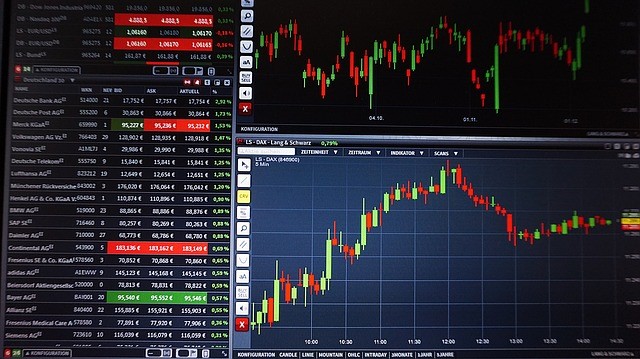
- Technical analysis is a cornerstone of forex trading. Acquaint yourself with chart patterns, indicators, and oscillators that aid in analyzing price trends. Learning to read candlestick charts and identifying support levels is necessary because this activity is actual work not gambling on price changes. Mastering all this equips you with the ability to predict potential price movements and make informed entry and exit decisions.
- 6. Explore the Basics of Fundamental Analysis
- In addition to technical analysis, understanding fundamental factors influencing forex is mandatory. Economic indicators, central bank policies, geopolitical shifts, and macroeconomic
- trends impact currency prices. Learn how to interpret all these pieces of news to gauge market sentiment and make well-rounded decisions.
- 7. Start Trading!
- Armed with theoretical understanding and skills, it’s time to dive into this stuff. Begin with a demo account provided by your broker to practice your strategy without risking real money. This allows you to test your skills in a simulated environment and fine-tune your trading skills.
- Once you’re sure of your knowledge and skill, you can try dealing with actual funds. Remember to start with smaller positions and gradually increase your exposure as you gain experience and witness positive results. Maintain discipline and never let emotions dictate your trading decisions.
- https://copywritely.com/tools/copywritely/task_sharing/eec9fdb
