Tag Archives: houses

Experience Cape Town’s City Centre For Under R150

If you find yourself in the Cape Town City Centre in search of experiences that won’t break the bank, you’re in for a treat!

This part of Cape Town is packed with things to see and do if you are a foodie, art lover, history buff or into nature. We’ve compiled a list of activities you can enjoy for under R150:

What To See and Do

Take a Historical Walking City Tour

One way to experience the city is through a historical walking tour. Free Walking Tours Cape Town offers 90-minute tours that delve into the city’s compelling stories, its people, and its architecture. Choose between the Apartheid to Freedom, Bo-Kaap, or Historic City tours. Tours take place three times a day at 11:00, 14:00, and 16:20. No booking required.

Location: Visit Motherland Coffee, St Georges Mall to sign up. Keep an eye out for their green umbrellas.
Cost: Free, but tips are welcome.
Visit: freewalkingtourscapetown.co.za

…or an audio tour in Bo-Kaap

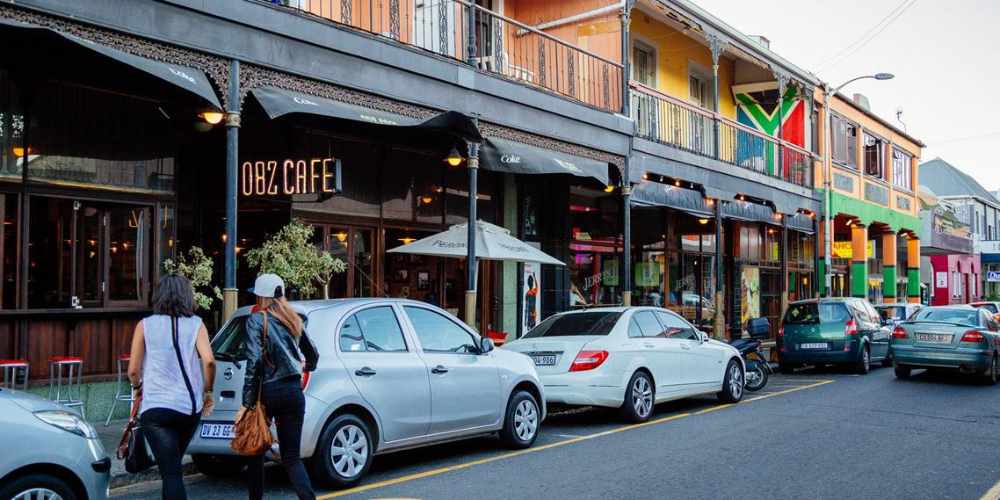
Bo-Kaap is famed for its colourful houses, museums, and rich heritage. With the hustle and bustle of food stalls, spice shops, and fascinating architecture, this part of Cape Town is well worth exploring. If you prefer to tour solo, join an audio tour hosted by a local, Shereen Habib. The tour starts at the Bo-Kaap Museum at 71 Wale Street and leads you to Auwal Mosque, known as the oldest mosque in South Africa. Other stops along the way include the first Dutch house of Jan de Waal and the Bo-Kaap Heritage Mural. End your tour with a traditional koesister from Rose Corner Superette.

Location: The tour starts at the Bo-Kaap museum at 71 Wale Street.
Cost: From R88 via VoiceMap
Website: voicemap.me/tour/cape-town/bo-kaap-walking-tour
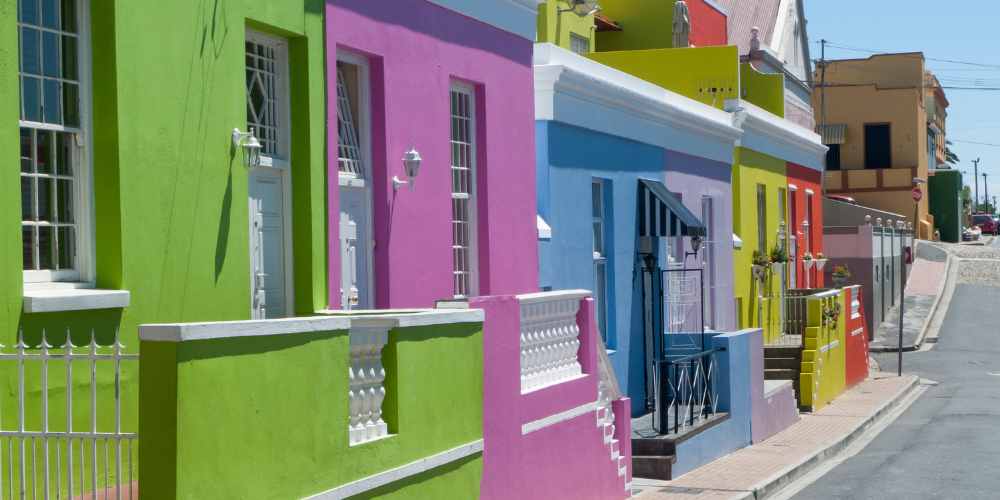
Street in Bo-Kaap

Discover a new world at the Castle of Good Hope

Step into a world of history and architectural splendour at the Castle of Good Hope. Known locally as “The Castle”, this 17th-century bastion fort was originally situated on the Table Bay coastline. Declared a historical monument (now a provincial heritage site) in 1936, the Castle is a perfect way to learn more about the city’s past while feasting your eyes on some of its most remarkable architectural masterpieces.

Where: Darling St & Buitenkant St, Cape Town
Cost: Adults: R50, South African pensioners and children: R25
Visit: www.castleofgoodhope.co.za

castle in cape town

Company’s Garden

Undoubtedly one of the most visited attractions in the Mother City, the Company’s Garden is the perfect place to unwind and relax. As the oldest garden in South Africa, it showcases some of the country’s most beautiful trees and plants, and if you’re lucky, you might spot a few cheeky squirrels darting about. Pack a picnic, lay out a blanket, and soak up the grand views. Pop by the Iziko South African National Gallery (entry cost from R80) to browse some of the art on offer. Another museum you can visit is the District Six Museum, a short walk away from the garden. Entry to the museum is R60.

Where: 15 Queen Victoria Street, Cape Town City Centre
Cost: Free.
Visit: thecompanysgarden.com/

The Iziko South African Museum

While you are at the Company’s Garden, we suggest you explore the Iziko South African Museum, home to 1,5 million items of cultural and scientific significance. You’ll see traditional outfits from the last century, learn more about fossils and ancient insects, and view stone tools made by people 120,000 years ago.

Location: 25 Queen Victoria Street, Gardens, Cape Town
Cost: Standard entry: R80

Price when you present a valid identification: Adults: R50, children aged 5 to 17: R30, and South African pensioners and students (with valid cards): R30. Free entry on Fridays.

Enjoy free entry on commemorative days.

The Iziko South African Museum

Go shopping at Greenmarket Square

If you want to shop for unique trinkets, clothes, and art, a trip to Greenmarket Square is highly recommended. Known as one of Cape Town’s oldest public spaces, Greenmarket Square offers curious travellers affordable deals on proudly South African items. The stall vendors are a wealth of knowledge and always willing to share an anecdote or two.

Where: Burg St and Longmarket St, Cape Town City Centre.
Cost: Free, however, a cost applies for any purchases.
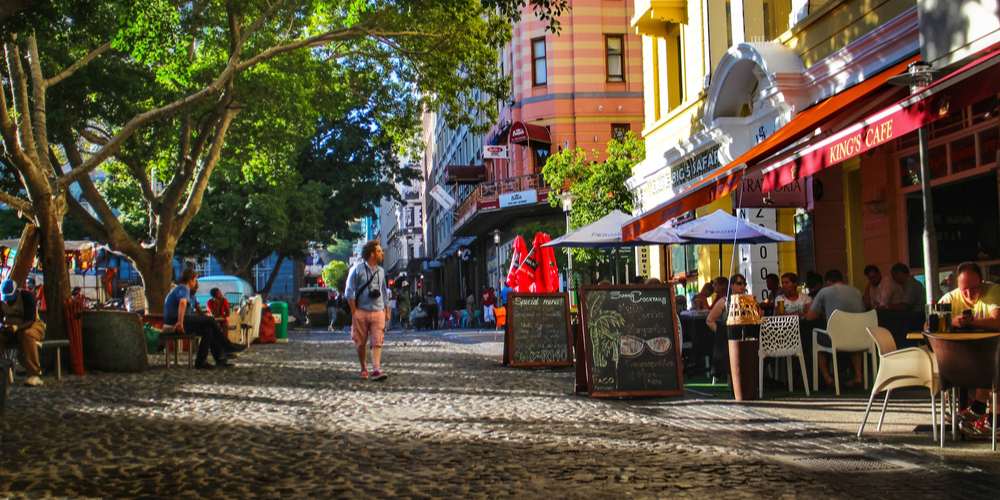
Greenmarket Square, Cape Town

Where To Eat

Mariam’s Kitchen

For those craving an authentic Cape Town foodie experience, complete with delicious samoosas, curries, or a massive Gatsby with all the fixings, a trip to Mariam’s Kitchen is essential. People come from far and wide to sample their food, and the affordable prices mean you can try more for less.

Location: 31 Heerengracht St, Foreshore, Cape Town and 101 St Georges Mall, Cape Town City Centre
Cost: Snacks from R7
Call: 071 544 2182

Lebanese Bakery, Constitution Street

Lebanese Bakery is a charming eatery located in the east city precinct of Cape Town City Centre. You can indulge in Middle Eastern cuisine, featuring delights such as khob’z bread, ka’ak bread and manaoush, or savour authentic Turkish coffee or a cup of refreshing laban. The extensive menu caters to all dietary preferences, including vegetarian and halal visitors. The eatery doubles as a deli, so you can stock up on baba ganoush, hummus, falafel, labneh, za’atar, and more.

Location: 7 Constitution St, Cape Town
Price: From R50
Website: lebanesebakery.co.za/

Nice Café

You’ve probably heard of Nice Café thanks to their monthly coffee raves that are taking the city by storm. True to its name, the café serves up all the nice vibes: laid-back energy, friendly faces, and delicious coffee. Pair your cuppa with one of their buttery pastries or sandwiches, and you’ve got yourself a top-tier hangout. Perfect for remote working.

Location: 113 Loop St, 60 Corporation St, and 1A Queen Victoria St.
Price: From R25.
Website: www.instagram.com/wearenice_/


Related Articles

The post Experience Cape Town’s City Centre For Under R150 appeared first on Cape Town Tourism.
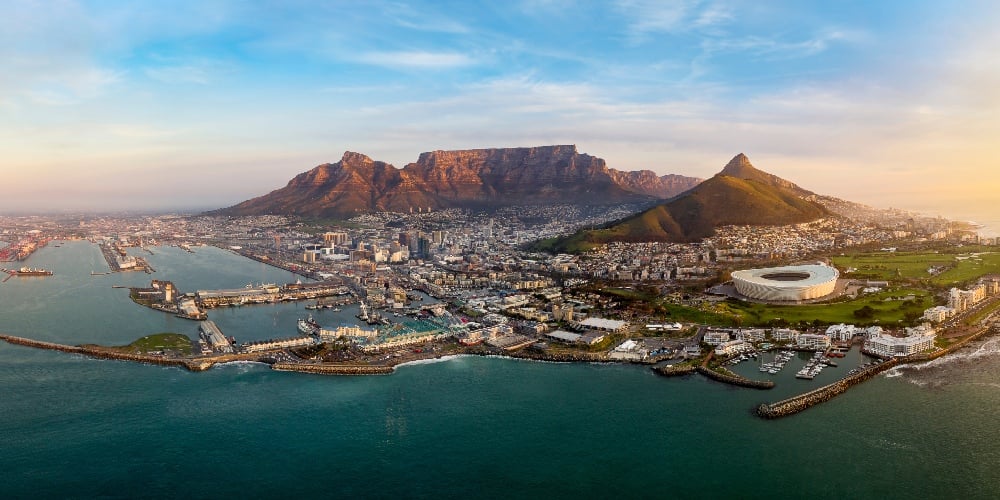
Where to Stay in Cape Town: Best Areas & Neighbourhoods for Visitors

Choosing where to stay in Cape Town can be tricky – city buzz, coastal charm, or leafy suburbs? Our guide to the best areas and hotels will help you find the perfect base for your trip.

If you’re wondering which area suits your vibe, here are some of our recommendations:

City Bowl

V&A Waterfront

Just a stone’s throw from the city centre, V&A Waterfront boasts an exciting mix of activities for all ages, all within easy walking distance. Here, you’ll find must-see experiences like the Two Oceans Aquarium and the Robben Island Museum. It is also the main departure spot for the City Sightseeing hop-on-hop-off bus tours. The precinct is filled with luxe hotels, boasting breathtaking views of both Table Mountain and the harbour.

The City Bowl

If you love a bit of adventure and nightlife, the City Bowl is close to buzzing clubs and bars, with delicious restaurants on every corner. There are hotels, hostels, boutique backpackers, and just about every other kind of accommodation you can imagine. It’s a bustling, cosmopolitan mix, with something to suit everyone. There are plenty of transport options to get you around.

Woodstock

For those who love art and seek inspiration, Woodstock is the perfect area to fuel your creativity. It’s also one of the older parts of the city, rich in history and culture, with a diverse mix of people who call it home. Conveniently located close to the city centre, you’ll find a variety of accommodation here, including aparthotels, hotels, and hostels. There are also many restaurants and markets to explore, adding to the area’s energetic atmosphere.

De Waterkant

Another location close to some of the city’s attractions is De Waterkant. There are many boutique hotels and guesthouses, and it is a short walk from the shops, eateries, and bars.

Sea Point

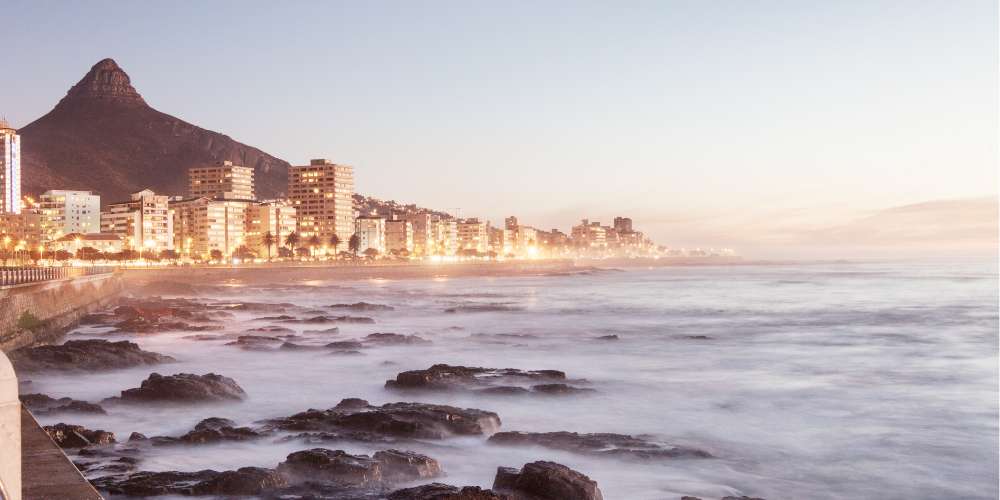
The Sea Point promenade, which stretches for several kilometres along the Atlantic Ocean, is perhaps Sea Point’s most famous landmark. The Main Road is lined with restaurants, trendy bars, and shops. There are plenty of aparthotels, hostels, and hotels available, with many more developments already under construction.

Seapoint Promenade

Green Point

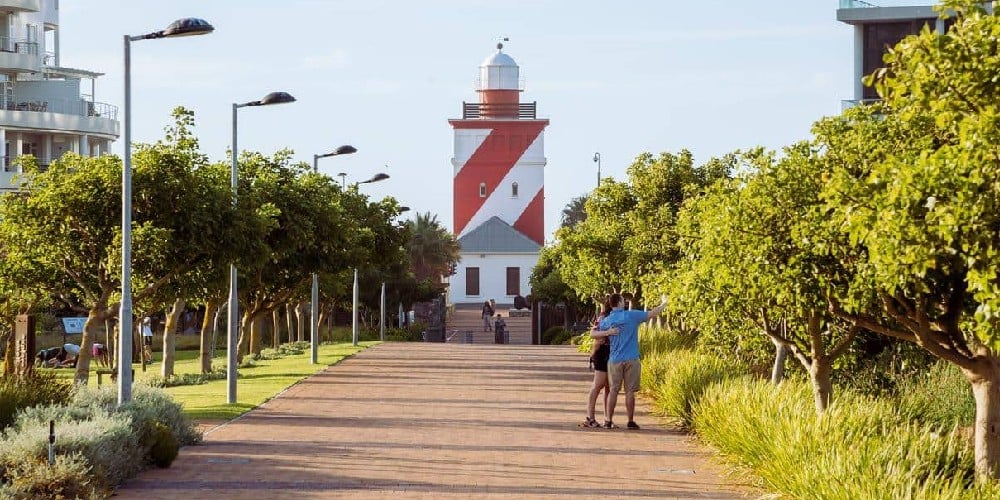
Green Point is Sea Point’s more upmarket neighbour, with the beachfront Main Road home to hotels and charming apartment rentals, many boasting stunning views of the city. You’ll find a hub of activity at DHL Stadium (also known as Cape Town Stadium), close to the beautiful beaches of the Atlantic Seaboard, along with some unique dining experiences.

Green Point Lighthouse

Bo-Kaap

Bo-Kaap, often called the Malay Quarter, is known for its iconic rows of brightly coloured houses and cobbled streets. Many locals are descendants of the freed slaves who first made this area home, and their heritage is woven into every corner. From flavour-packed Cape Malay cuisine to authentic foodie experiences, Bo-Kaap offers a taste of Cape Town you won’t forget. You’ll find plenty of hotels nearby. If you do visit, remember to be respectful to the area and its locals.

Street in Bo-Kaap

Atlantic Seaboard

Clifton and Camps Bay

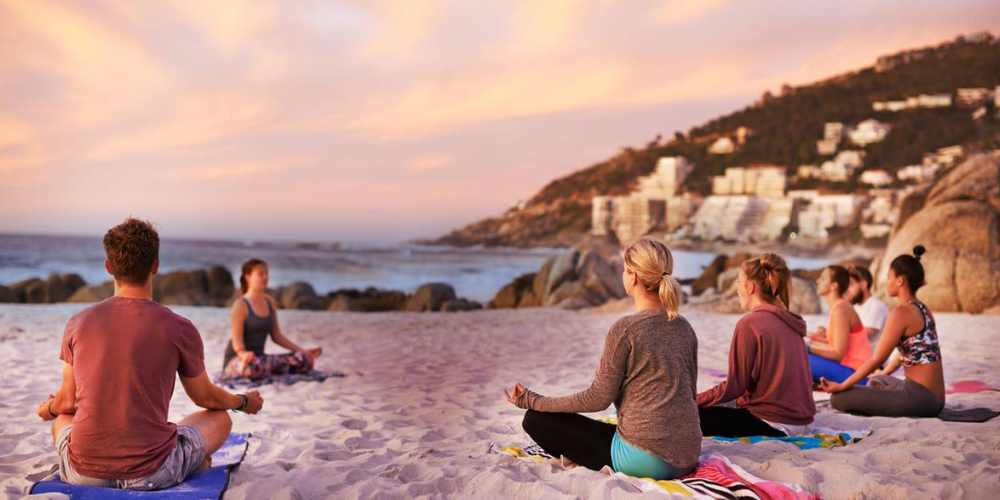
For the best views, and some truly stunning houses and mansions overlooking the Atlantic Ocean, head to Clifton and Camps Bay. You’ll find a range of accommodation options here, from budget-friendly to luxe. While the sea on this side of the mountain is chilly, the wide, sandy beaches are perfect for sunbathing, volleyball, and people-watching. And if you don’t mind splashing out on a fancy meal, we highly recommend enjoying a sunset dinner and sundowners at one of the stylish restaurants or bars along the strip.

South Peninsula

Noordhoek and Kommetjie

You won’t find many public transport options to and from Noordhoek and Kommetjie, so we recommend hiring a car to enjoy the fresh sea breeze and scenic views along the way. These areas are perfect for those seeking a laid-back vibe, far from the hustle and bustle of Cape Town’s fast-paced city life. Accommodation ranges from rustic to luxurious, and the friendly locals are always happy to suggest must-visit spots in the area.

Hout Bay

Located just 20-30 minutes from the city, between the Atlantic Seaboard and Noordhoek, Hout Bay is a seaside village with serious local charm. It’s on the City Sightseeing Blue Route, so it’s possible to explore the city from here. The beach is lovely, and there are many restaurants, a lively weekend market, and a few bars that you can enjoy during your stay.

Muizenberg

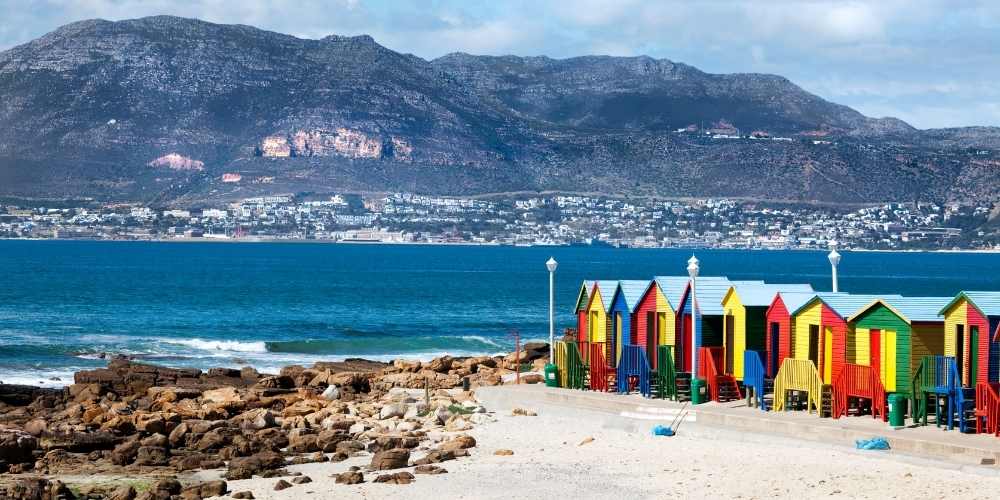
Muizenberg is the old dame of the False Bay coastline. This local favourite is around 15-20 minutes from the city. This surfers’ paradise (we suggest taking a surf lesson or hitting the waves if you are an avid surfer) is known for its colourful huts. The long, sandy beach is lined with surf shops, laid-back bars, and restaurants, ideal if you want to soak up the seaside charm and its locals.

Muizenberg

Kalk Bay

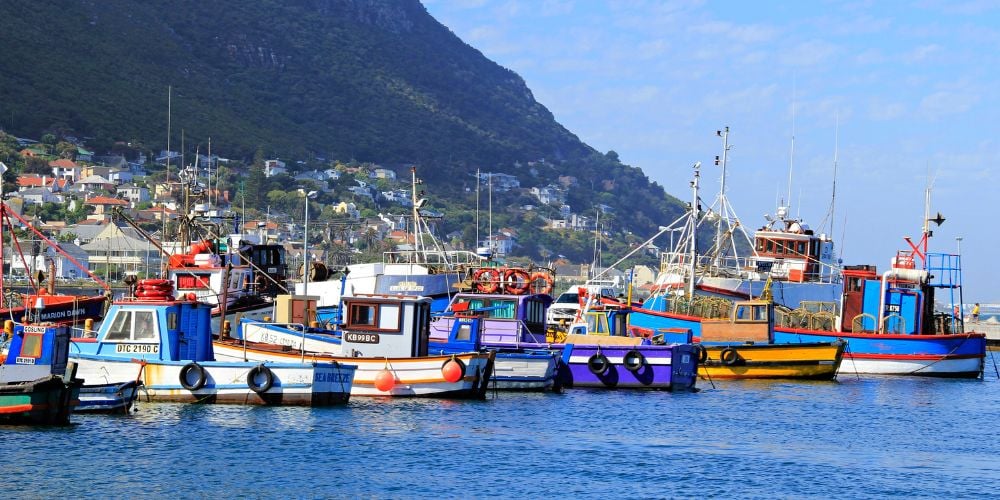
Another charming seaside gem is Kalk Bay, a fishing village boasting fun for the entire family. Spend your days wandering through its vintage boutiques, boho shops and seafront cafés. It’s the perfect base for exploring the South, including Cape Point, and ideal for travellers who embrace the art of slow living. Accommodation here ranges from budget-friendly and boho chic to boutique luxury.

Southern Suburbs

Observatory

If you are on a budget, Observatory or Obs, as it’s known locally, is a bohemian backpacking hub, with affordable accommodation.

Obs is a very chilled spot, featuring many hole-in-the-wall attractions,

arty shops, boutiques with vintage and unusual clothing, and health food stores. There are also dozens of bars, restaurants and nightclubs. Observatory is on all the main public transport routes and is less than six kilometres from the City Bowl, so you are always in on the action.

Observatory

Newlands

If you’re looking for a quiet guest house, B&B, or hotel, this is a good place to base yourself. Newlands is known for its charming little village-style shopping centres, steakhouses, bars, restaurants, and forests and streams. It’s relatively close to the city centre. Explore the Newlands Stadium during sporting events or visit the many eateries in the area.

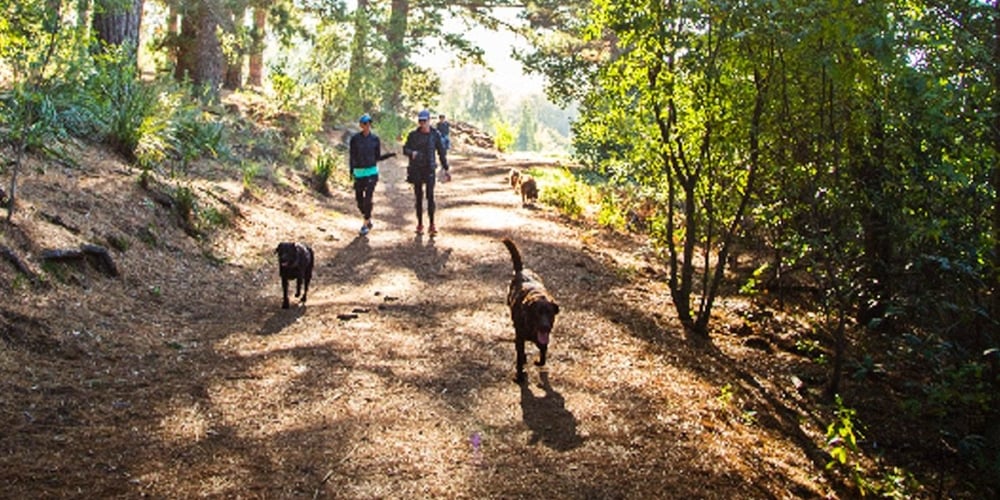
Newlands Forest

Constantia

Located within the Constantia wine route, the suburbs of Constantia, Bergvliet, and Tokai offer an escape into Cape Town’s leafy, luxurious south. Think sprawling hotel estates, elegant homes, and tree-lined avenues that exude tranquility. It’s an ideal destination for those seeking upscale accommodation, where your days can be filled with wine tastings, gourmet dining, and serene surroundings.

Cape Flats

Khayelitsha and Gugulethu

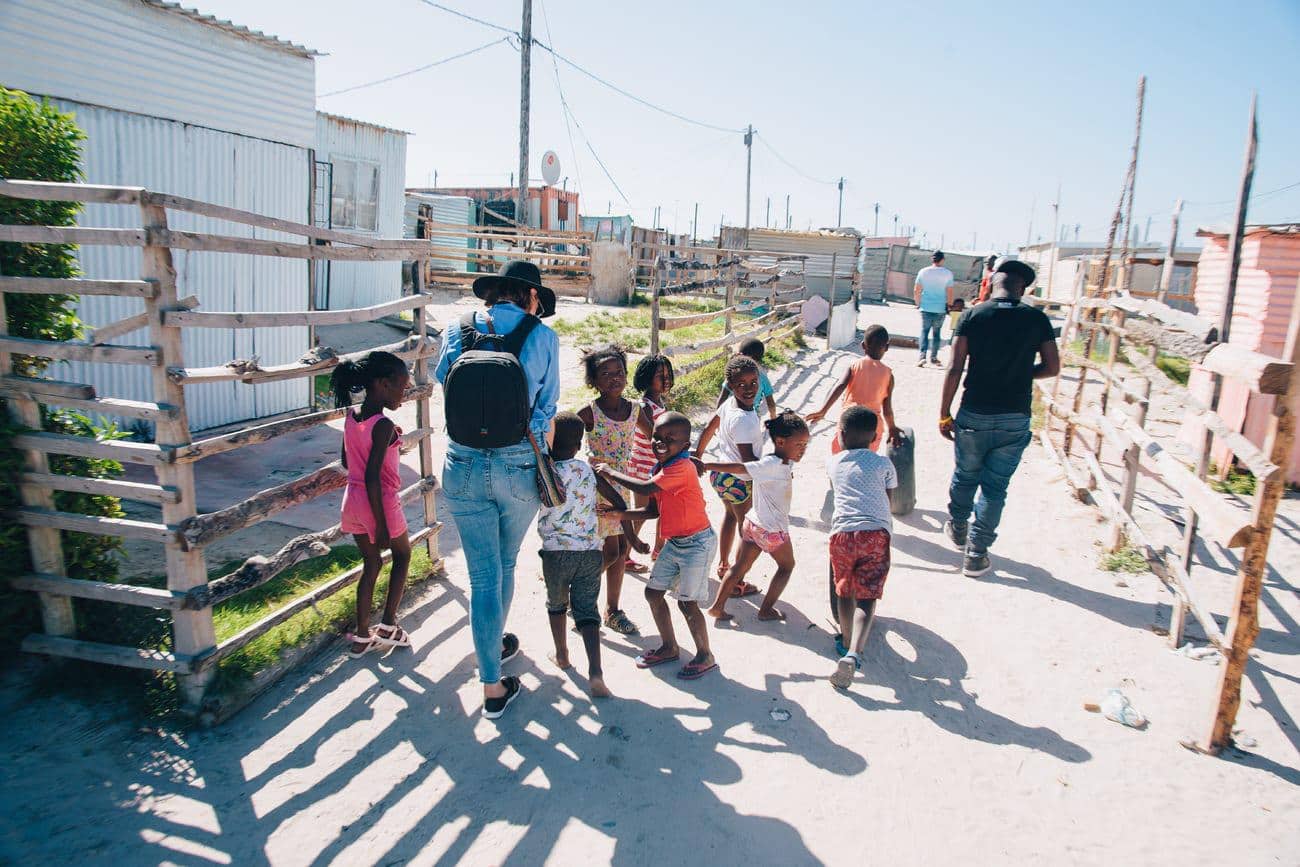
If you’re looking for a more authentic Cape Town experience, Khayelitsha and Gugulethu tick all the right boxes. You’ll find a range of guesthouses to choose from. There’s loads to do, from enjoying traditional South African shisa nyama (braaied meat) to exploring art tours and cultural experiences. Be sure to use reliable, accredited transport providers and tour guides.

Helderberg

Somerset West

Somerset West might be a bit of a drive out of the city, but trust us, it’s worth the trip. Wine lovers and foodies will appreciate it here. There’s plenty of accommodation to suit all budgets, and it’s the perfect base for experiencing the Cape Winelands, filled with world-class wine, fine dining, and stunning scenery.

Gordon’s Bay and Strand

Gordon’s Bay and Strand are located just next to Somerset West and boast some truly spectacular beaches. The sunsets you’ll witness here are among the prettiest in the world. These seaside spots also offer easy access to the Winelands. There’s plenty of accommodation available, including some stunning sea-facing hotels. And for the adventure lovers, don’t miss Crystal Pools, a must-do scenic day hike.

Northern Suburbs

Durbanville

Durbanville is located about 30 minutes from the city, but it offers incredible mountain views and sweeping vineyards. The Durbanville Wine Route features some fantastic estates with excellent restaurants, and many of the wine farms also offer accommodation.

Bloubergstrand

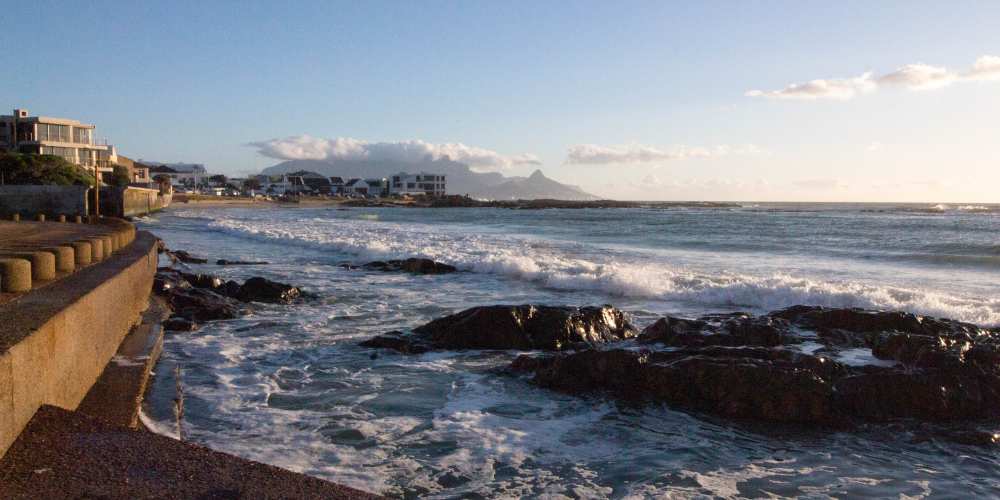
Bloubergstrand is where you’ll find that iconic postcard view of Table Mountain. With a mix of beachfront hotels and resorts, it’s a favourite for sunseekers and holidaymakers alike. The beaches here are buzzing, and perfect for kitesurfing and surfing.

Blouberg Beach

The post Where to Stay in Cape Town: Best Areas & Neighbourhoods for Visitors appeared first on Cape Town Tourism.
Iran says it will continue nuclear talks with the US, shrugging off threats

Iran’s president said his country will continue talks with the United States over its rapidly advancing nuclear program but will not withdraw from its rights because of U.S. threats.

“We are negotiating, and we will negotiate. We are not after war but we do not fear any threat,” President Masoud Pezeshkian said during a speech to navy officials broadcast by state television Saturday.

“It is not like if they threaten us we will give up our human right and definite rights,” Pezeshkian said. “We will not withdraw, we will not easily lose honorable achievements in military, scientific and nuclear” fields and other areas.

The negotiations have reached the “expert” level, meaning the sides are trying to reach agreement on the details of a possible deal. But a major sticking point remains Iran’s enrichment of uranium, which Tehran insists it must be allowed to do and the Trump administration increasingly insists the Islamic Republic must give up.

President Donald Trump has repeatedly threatened to unleash airstrikes targeting Iran’s program if a deal isn’t reached. Iranian officials increasingly warn they could pursue a nuclear weapon with their stockpile of uranium enriched to near weapons-grade levels.

Earlier on Friday, Trump said Iran received a proposal during the talks, though he did not elaborate.

During his trip to region this week, Trump at nearly every event insisted Iran could not be allowed to obtain a nuclear bomb, something U.S. intelligence agencies assess Tehran is not actively pursuing, though its program is on the cusp of being able to weaponize nuclear material.

Mohammad Eslami, the head of Iran’s atomic organization, stressed the peaceful nature of the program, saying it is under “continuous” monitoring by the U.N. nuclear watchdog, state TV reported Saturday.

“No country is monitored by the agency like us,” Eslami said, adding that the agency inspected the country’s nuclear facilities more than 450 time in 2024. “Something about 25% of all the agency inspections” in the year.

Meanwhile, Israel routinely has threatened to strike Iran’s nuclear facilities if it feels threatened, further complicating tensions in the Mideast already spiked by the Israel-Hamas war in Gaza.

In his first reaction to Trump’s regional visit, Iran’s Supreme Leader Ayatollah Ali Khamenei said Trump wasn’t truthful when he made claims about creating peace through power.

“Trump said that he wanted to use power for peace, he lied. He and the U.S. administration used power for massacre in Gaza, for waging wars in any place they could,” Khamenei said Saturday during a meeting with teachers broadcast on state television.

The U.S. has provided Israel with 10-ton bombs to “drop on Gaza children, hospitals, houses of people in Lebanon and anywhere else when they can,” Khamenei said.

Khamenei, who has the final say on all Iranian state matters, reiterated his traditional stance against Israel.

“Definitely, the Zionist regime is the spot of corruption, war, rifts. The Zionist regime that is lethal, dangerous, cancerous tumor should be certainly eradicated, and it will be,” he said, adding that the U.S. has imposed a pattern on Arab nations under which they cannot endeavor without U.S. support.

“Surely this model has failed. With efforts of the regional nations, the U.S. should leave the region, and it will leave,” Khamenei said.

Iran has long considered the U.S. military presence in the region as a threat on its doorstep, especially after Trump pulled the U.S. out of a 2015 nuclear deal with Iran in 2018 and reimposed crippling sanctions.

Source: Africanews

Amnesty report exposes abuse of Kenyan domestic workers in Saudi Arabia

More than 70 Kenyan women have documented their harrowing experiences working as domestic workers in Saudi Arabia, a new report by Amnesty International released on Tuesday shows.

In the report, launched in the Kenyan coastal city of Mombasa, the rights group documents how workers were deceived by recruitment agents, denied rest days, and worked under inhumane conditions with little or no pay.

One of the women, Bigeni Maina Mwangi, told The Associated Press how she was promised a beautician job in Saudi Arabia, but she instead found herself thrust into a life of domestic servitude under exploitative conditions.

“The contract I signed in Nairobi was changed the moment I landed,” she said. “The agent said I had no choice but to work.”

Mwangi worked in Saudi Arabia for 17 months without pay. When she was finally sent home, her promised wages never came. Due to rising unemployment in Kenya, she found a better job in Dubai, but a return to Oman in 2020 led to even grimmer conditions.

“I worked in three houses non-stop, often without food,” she said.

The Amnesty report urges the Kenyan and Saudi governments to extend labor protections to domestic workers, prosecute abusive employers, and ban recruitment agencies complicit in exploitation.

Another woman, Mejuma Shaban Ali, recounted signing her contract at Kenya’s main airport before flying out in 2014. Her journey led her to what she described as “a prison.”

“I was forced to escape the house disguised as taking out trash,” Ali said. “I got to the Embassy hoping for help. Instead, I was told to find another employer because I had made no money to pay off my employer.”

She ended up working illegally after being linked to a broker, with her passport still held by her first employer.

Both women called for a crackdown on rogue recruitment agencies and stronger embassy support. “There are people suffering in Oman with no way out,” Ali warned.

The rights group estimates more than 150,000 Kenyans work as domestic workers in Saudi Arabia.

“The system amounts to modern slavery,” said Amnesty Kenya Executive Director Irungu Houghton.

The Kenyan government has in recent months cracked down on exploitative recruitment agencies and promised to protect Kenyans abroad. The labor ministry in April facilitated the return of more than 100 Kenyans who were scammed by an agency and got stranded in Myanmar and Thailand.

Source: Africanews

At least seven killed by overnight floods in Mogadishu

At least seven people have died in devastating overnight floods in Somalia’s capital, Mogadishu. Local officials say torrential rain began on Friday night and lasted for about ten hours, displacing more than two hundred families. Nine houses were destroyed and six major roads badly damaged across several districts of the city.

According to the Banadir regional administration, two of the victims were women, and hundreds more have lost their homes. One father told AFP that two children died in his neighbourhood and he had never seen rain this heavy in Mogadishu. Meanwhile, another resident said people were trapped in their homes as the storm caused widespread havoc.

A UN report published in April says more than 45,000 people have been affected by flash floods in Somalia since mid-April. The Horn of Africa is among the world’s most climate-vulnerable regions, and extreme weather events are becoming more frequent and intense.

In 2023, over 100 people were killed and more than a million displaced by similar flooding, linked to the El Niño weather pattern.

Source: Africanews

Peruvians celebrate election of Pope Leo XIV in a parish he helped to build

Bells rang out from Trujillo Cathedral in northern Peru on Thursday to announce the election of the new Pope.

Trujillo is a city the now Pope Leo XIV knows well. The then Father Robert Prevost spent decades living and working in Peru, including ten years in Trujillo as head of the Augustinian seminary.

Prevost, 69, first arrived in Peru in 1985, with the order of the Augustinian Fathers, and served in the prelature of Chulucanas in the department of Piura, near the border with Ecuador, until 1986.

He spent a decade at the head of the Augustinian seminary of Trujillo, where he taught canon law and served as judge of the regional ecclesiastical tribunal.

Jhonatan Cruz was an altar boy of the former Catholic priest:

“We know Father Roberto Prevost. He is very close to us. My mother, father, and brothers – we all came to take care of the parish house in 1990, which is just down there. That’s where the first Augustinian priests came, inside one of them (houses) was Father Roberto Prevost, he was the first parish priest here that did great work in the whole area here in Montserrat in those years.”

‘A very simple, very quiet person’

During his time in Trujillo, Father Prevost helped to build two Catholic parishes, Our Lady of Monserrat and St. Rita de Cascia.

Friar Ramiro Castillo is a member of the Augustinian Order in Trujillo. He remembers Prevost as a “very simple, very quiet person.”

“When there was an assembly, meetings, I remember that he was a very quiet person, very calm, always as if he was thinking over things, over and over before giving an opinion. There are many anecdotes of who is now Pope Leo XIV.”

Prevost returned to the United States in 1998 and was elected provincial of the Augustinian Province of Chicago.

He did not return to Peru until 2014, when Pope Francis appointed him apostolic administrator of the diocese of Chiclayo.

The following year he was named bishop of the city.

In 2023 he was promoted to archbishop, and then made a cardinal in 2024.

Since arriving in Rome, Prevost kept a low public profile but was well-known to the men who count.

Significantly, he presided over one of the most revolutionary reforms Francis made, when he added three women to the voting bloc that decides which bishop nominations to forward to the pope.

The first Augustinian pope, Chicago-born Prevost is also the first American and first Peruvian, having taken citizenship during his time in the country.

Source: Africanews

How the Catholic Church chooses a new Pope

A change in popes — through death or resignation — is a complicated process, with centuries-old rituals involving the transition in leadership for both the spiritual head of the global Catholic Church and the Vatican’s head of state. These are the need-to-know terms — some of them in Latin — to help make sense of news in the coming days: Who is the Vatican camerlengo? This is the “chamberlain” — the cardinal in charge of formally verifying the pope’s death — and then sealing his room and study.

Between then and the election of the new pope, the camerlengo administers the “goods and temporal rights” of the Holy See. The current one is the Irish-born American Cardinal Kevin Farrell. Who is in the College of Cardinals? There are 252 cardinals worldwide, and as a body, they are in charge of the Holy See’s affairs in-between popes, albeit with limits. Of them, 135 are “cardinal electors,” who gather in the Vatican to choose the new pope. For centuries, they have chosen one of their own. The vast majority of the electors — 108 — were made cardinals by Pope Francis, according to Vatican statistics. What is the conclave? This is the closed-door meeting of the cardinal electors to choose the new pope in the Sistine Chapel. Its name, literally “with a key,” was used in the 13th century to describe the process of locking up the cardinals until the election is completed. It must begin no more than 20 days after the death or resignation of a pope.

The electors are sequestered from all outsiders for the duration; the last three popes were chosen within days. Who is the dean of the College of Cardinals? The current dean is Italian Cardinal Giovanni Battista Re. He is the head of the College of Cardinals who informs the rest of the cardinals and the ambassadors to the Holy See of the pope’s death once he learns of it from the camerlengo. He convenes the conclave and presides as the electors take their oaths. Once a new pope is chosen, the dean asks him if he accepts and what name he wants to be called. What is St. Peter’s Basilica?

The 16th century church, built over the traditional tomb of the apostle St. Peter, is one of the largest Catholic basilicas in the world and is the centerpiece of Vatican City, headquarters of the 1.4 billion-strong Catholic Church. Starting Wednesday, the faithful will be invited to the church to pay their final respects to Francis, whose body will lay in state on the main altar.

The Renaissance masterpiece was built and decorated by some of the most illustrious architects and artists of the time. Its grottoes contain the remains of popes past and its vast, marbled interior is home to some of the Vatican’s greatest treasures, including Michelangelo’s Pieta sculpture and Gian Lorenzo Bernini’s bronze baldacchino canopy over the main altar. What is the Domus Santa Marta? This Vatican guesthouse, built in 1996, specifically houses cardinals during a conclave and is used at other times as a hotel for visiting priests and Vatican officials. Pope Francis never moved out after he was elected pope, choosing to live in suite 201, rather than the papal apartments in the Apostolic Palace.

What does ‘extra omnes’ mean? A Latin phrase for “all out,” it’s spoken by the master for papal liturgical celebrations, currently Italian Archbishop Diego Ravelli, to ask all those present except the cardinal electors to leave the Sistine Chapel to begin the voting process during the conclave. Why is the pope’s ring called the fisherman’s ring? Each pope gets this ring at the Mass marking the beginning of his pontificate. It bears this name because Jesus told St. Peter, the first pope, that he would be “a fisher of men.” Until the 1990s, it was destroyed upon a pope’s death. Now, it’s “annulled,” or marked in such a way that it can’t be used as a seal.

What are the General Congregations? This is the name given to the gathering of all members of the College of Cardinals after the pope’s death and before the start of the conclave to discuss major church affairs. All cardinals who aren’t infirm take part in this meeting in the Vatican’s Apostolic Palace. They also discuss preparations for the conclave, under oath and in secret. What does it mean when they say, ‘Habemus Papam’? This Latin phrase translates to “We have a pope.” These are the words used by the “protodeacon” of the College of Cardinals to announce from the loggia of St. Peter’s Basilica that a new pope has been elected. He then says the new pope’s birth name and the name he has chosen to use as pope, also in Latin. The current protodeacon is French Cardinal Dominique Mamberti.

Who are the infirmarii? These are the three cardinals, chosen by a random drawing from the electors, who are charged with gathering the ballots of any electors who are ill during the conclave. What does Pope Francis’ motto ‘miserando atque eligendo’ mean? This is Latin for “having had mercy and choosing him” — a phrase that Francis chose as his motto when he was elevated to bishop and kept as his papal seal. It was drawn from the homilies of St. Bede the Venerable, an 8th century monk. It comes from the Gospel narrative of St. Matthew, a tax collector whom Jesus called to follow him.

Who are the revisers? These are the three cardinals, chosen by random drawing from the electors, who are charged with reviewing the ballots during the conclave. What is a rogito? This is the document, or “deed,” listing key details of the pope’s life and papacy that is placed in his coffin. It’s written in Latin by the master for papal liturgical celebrations. A copy is kept in the Vatican archives. Who are the scrutineers? These are the three cardinals, chosen by random drawing from the electors, who are charged with reviewing each ballot and announcing it to the assembled conclave after each round of voting. They then tally the votes — to win the election, two-thirds of the votes are necessary — and they also burn the ballots.

What does the saying ‘sede vacante’ mean? This is Latin for “vacant seat,” the period between the pope’s death or resignation and the election of a new one. Pope Francis attends a prayer for peace at Rome’s St. Mary Major Basilica, Sunday, Oct. 6, 2024. (AP Photo/Andrew Medichini, file) What is St. Mary Major? This is the basilica in Rome where Pope Francis said he wants to be buried. Francis is breaking with the tradition of his predecessors who are buried inside the Vatican, saying he wanted to be near his favorite icon of the Virgin Mary, the Salus Populi Romani, a Byzantine-style painting of the Madonna draped in a blue robe, holding the infant Jesus who in turn is holding a jeweled golden book.

The icon is located in the church first built in the 5th century and devoted to the Virgin Mary. In his will, Francis said he wanted a simple underground tomb with only “Franciscus” written on it. What does the text ‘Universi Dominici Gregis’ contain? This Latin phrase means “the Lord’s whole flock.” It’s the Vatican constitution that regulates the processes from a pope’s death until a new one is elected. St. John Paul II issued it in 1996 during his papacy, and Pope Benedict XVI twice amended it, most significantly by removing John Paul’s provision that after about 12 days of balloting a simple majority could elect a new pope rather than a two-thirds majority.

If the conclave lasts that long, the top two vote-getters go to a runoff, with a two-thirds majority required to win. Neither of the top two candidates casts a ballot in the runoff. What does white or black smoke mean during a papal transition? After each round of voting in the Sistine Chapel, the ballots are burned in a special furnace to indicate the outcome to the outside world.

If no pope is chosen, the ballots are mixed with cartridges containing potassium perchlorate, anthracene (a component of coal tar), and sulfur to produce black smoke.But if there is a winner, the burning ballots are mixed with potassium chlorate, lactose and chloroform resin to produce the white smoke. Bells also are rung to further signal there is a new pope.

Source: Africanews

Maasai youths embrace tradition and leadership at rare warrior training camp

In the misty highlands of Kenya’s Maasailand, 900 teenage boys have just completed an ancient rite of passage, transforming from boys into young Maasai warriors. Dressed in traditional shukhas, they endured weeks sleeping on the forest floor without bathing, often going hungry, as part of a warrior training camp held in Olaimutiai, Narok County — an event that only happens every 10 to 15 years.

The boys, chosen from across southern Kenya and northern Tanzania, learned essential Maasai values: respect, leadership, and cultural preservation. Chief Ole Ngoshoshi of the Irkitoip age set stressed the importance of maintaining cultural practices to avoid losing respect within the community. “If you lack respect, there will be disorder among the clans,” he warned, urging the younger generation to safeguard their traditions.

The training, known as “Enkipaata,” has evolved with modern times. Once lasting a full year and involving dangerous survival tests like lion hunting, the camp is now condensed into a month and synchronized with school holidays. Weapons have been replaced with wooden sticks, and education is highly encouraged alongside tradition.

For many, like 16-year-old Isaac Mpusia, the experience is a source of pride. “We are going to choose our leaders that will lead us through our age groups,” he said, beaming with excitement about the cultural celebration.

Women also play a pivotal role. Joyce Naingisa, a Maasai woman and county minister, highlighted that it was women who built the manyattas, the traditional homes,for the temporary camp. “We came to a plain field, and now you see full houses. That is the role of women,” she explained.

As the camp concluded, a ceremonial bull was slaughtered, its meat blessed and shared among all participants to reinforce community bonds. The graduating class was given the name “Iltaretu,” symbolizing unity and hope. Beyond training warriors, the event also planted the seeds of environmental stewardship, with 150 seeds and 50 tree seedlings planted alongside the new generation of leaders.

Facing challenges like climate change and shrinking grazing lands, the Maasai community is betting on its youth to carry forward a culture deeply rooted in resilience, respect, and community spirit.

Source: Africanews

Everything First-Time Home Buyers Need to Know

– –

Congratulations on your first home purchase. This is a time filled with excitement and joy. As you get ready to move into the new chapter of your life, there are some things that you want to keep in mind as you search for the perfect home, purchase one, and then move into it.

This time can be just as overwhelming as it is joyful, especially as you look around at all the available homes, apply for a loan, and start the waiting process. Below, we will talk about some of the things, you, as a first-time home buyer, need to know.

What should I absolutely know as a first-time home buyer?

One of the first things you should know is that you need to make sure that you are in tune with your credit score, know it like the back of your hand, and eliminate any debt that you have. Having debt can be the difference between owning or renting a home to live in.

When lenders look at you, they want to know that your debt-to-income ratio is within the set limit and that you have a good credit score. Anything less than that and you become a red flag and may have a harder time securing a home loan.

– –

Once you have your credit and debt in check, you then need to start to look for a lender. Remember, not all lenders are created equal, so you want to make sure you do your research, and you look for one that meets your needs and has a good reputation within the community.

What size down payment do I need?

It depends. You definitely want to have a down payment saved up for when you purchase a home because you will need it. However, the amount you need will vary based on several factors. For example, you may be required to put 10 percent down if you have a lower credit score while if you have a good credit score, you may only have to put 2.5 percent down.

While there is no set number to have saved up, do make sure you save something close to the 5 to 10 percent range of the average home price you are looking for. Best case, your down payment is less, and you have a little savings account for yourself in the end.

– –

How much home can I afford?

That is dependent on your income, credit, and the lender. Before you start to look at homes for sale, you want to speak with a lender and find out how much you are pre-approved for. This way, you know how much you can reasonably afford, and you do not go over this price.

Remember, depending on where you choose to live, your pre-approved amount may get you the home of your dreams with all the storage area that you are looking for or it may not. This means you should do your market research and know the prices of homes before you start to shop.

On a side note, you do not want to start shopping for a home and fall in love with one that you cannot afford, so do make sure to go through the pre-approval process.

Do I need a home inspection?

It doesn’t hurt. While the home may have already had one performed by the current owner, it doesn’t hurt to pay for an independent inspection. This way, you know what you are getting yourself into. The average cost for a home inspection is anywhere from $300 to $500.

Waiving a home inspection can mean that you inherit many damages to the home that are not visible at the time of purchase and this could mean thousands of dollars later.

Buying a Home is Exciting but Make Sure You Have Space

Buying your first home is exciting but you definitely want to make sure that you have a lot of storage space within it. If not, you may find yourself wishing you chose one with space.

Source: Africa Feeds

Malawi’s Thyolo Secondary School students set ablaze hostels, houses

THYOLO-(MaraviPost)-Thyolo Secondary School students have torched a general building which comprises administration offices and the bursar’s office at the school on Wednesday night.

Thyolo police Sub-Inspectorhas confirmed of the development in an interview with the press.

According to Tione, the school sent on suspension some students due to indiscipline, with reasons ranging from use of cellphone, teasing and bullying.

“Upon return the students found out their places have been replaced by students from other districts. This angered the students who ganged up and torched the said building,” said Tione.

The students have also destroyed hostels, a matron’s house, a dining room and part of the headmaster’s house.

Meanwhile four students have been arrested in connection to the issue.