



By Martin MBEWE
Former United Nations Secretary-General Kofi Annan once said, “Education is a human right with immense power to transform.
On its foundation rest the cornerstones of freedom, democracy, and sustainable human development.” This quote stresses the important role of education for individuals and nations, a sentiment supported by a Borgen Project report.
The report highlights how education advances economic and agricultural productivity, reduces poverty, and enhances health outcomes by decreasing infertility, infant mortality, and morbidity rates.
Numerous examples exist of countries that have prospered due to the transformative power of education.
Botswana is an example of an African nation that has achieved socio-economic development through quality education.
High literacy rates, a skilled workforce, and strategic investments in human capital have been helpful to the country’s progress.
Similarly, South Korea, through a robust education system prioritization, transformed into an economic powerhouse.
However, amidst global recognition of the importance of education, some nations, including Malawi, are facing challenges in maintaining good-quality education.
Recent reports by the World Bank and UNESCO highlight issues such as inadequate infrastructure, limited access in remote areas, teacher shortages, low salaries, and poverty which has singularly resulted in a high dropout rate in secondary schools and colleges due to unaffordable school fees.
In Malawi, approximately 70 percent of the population lives below the international poverty line of US$1.90 a day.
This forces some families to prioritize basic needs over education which for a long time has perpetuated a cycle of limited opportunities for higher education and hindered overall development.
Malawi’s recent experience of inflation and a 44 percent devaluation of the Kwacha has led to fee hikes in both secondary schools and universities.
For instance, the Kamuzu University of Health Sciences (KUHES) has hiked fees from 400,000 Kwacha to 1 million Kwacha, approximately 597 US Dollars.
This poses a grave concern as many students from poor families may be forced to withdraw, denying them the right to education; a contradiction to Sustainable Development Goal (SDG) number 4, which emphasizes quality education for all.
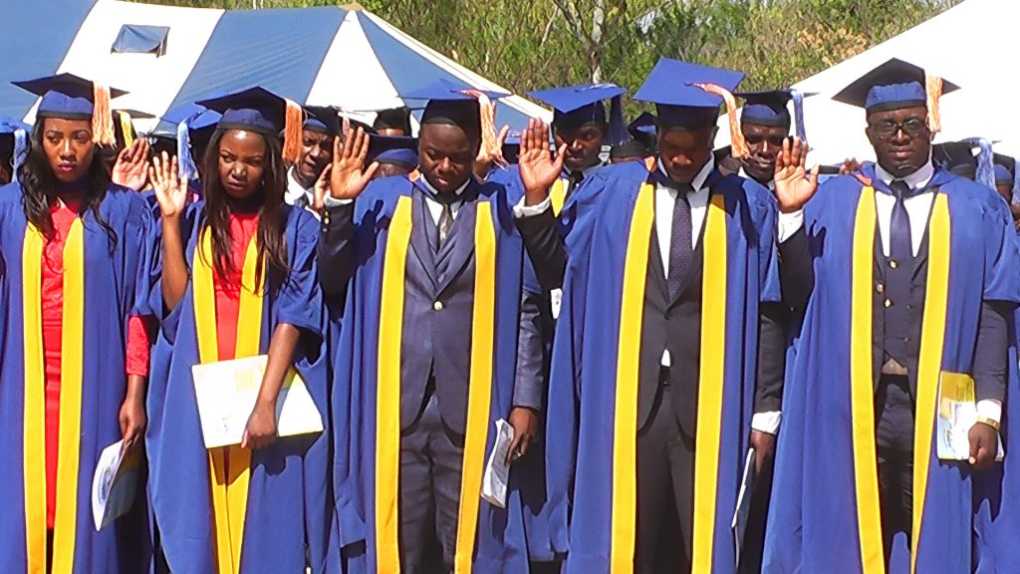
Universities contribute significantly to a nation’s development because they produce graduates that support sectors such as technology, healthcare, education, finance, and research.
Their expertise is what fuels innovation, drives economic growth, enhances public services, and fosters a skilled workforce.
As the African Union focuses on education in 2024 under the theme ‘Educate an African fit for the 21st Century: Build resilient education systems for increased access to inclusive, lifelong, quality, and relevant learning in Africa,’ the current fee hikes in Malawi, in my opinion, pose a threat to the nation’s ability to align with this continental agenda and the overarching national vision of 2063.
There is a need for the country to do something. A collaborative effort involving the government, private sector, NGOs, and individuals is crucial and urgently needed to support needy students and improve the overall quality of education.
Commendably, the Malawian government is implementing reforms, including teacher training, infrastructure development, and curriculum enhancements, to improve education quality and increase access to learning opportunities for all students.
However, more effort is required. Recognition also is due to organizations such as Campaign for Female Education (CAMFED), UNICEF, and World Food Programme, and companies like Illovo Sugar and the Press Corporation, for supporting students in secondary schools and colleges through various educational initiatives.
To alleviate fee hikes, the government should implement sound economic policies to stabilize the currency, attract foreign investment, and consequently manage inflation. Increased investment in education budgets is equally essential.
Furthermore, NGOs should provide scholarships and infrastructure support, with the private sector aligning their long-term social impact initiatives to this emergent issue, and individuals could also contribute to the needed solutions by way of community-driven initiatives.
Collaborative measures, including policy advocacy, teacher training programs, and public-private partnerships, can collectively address systemic challenges in the country’s education sector.
A multi-stakeholder approach, therefore, is crucial to enhancing the quality of education, making it more accessible, and mitigating financial barriers for students.
It is a shared responsibility to ensure that the transformative power of education reaches every corner of Malawi.
The writer is a Development Communication specialist based in Lilongwe, Malawi
