
Tag Archives: Côte d’Ivoire

Djamo Finances Secures Its Microfinance License in Côte d’Ivoire

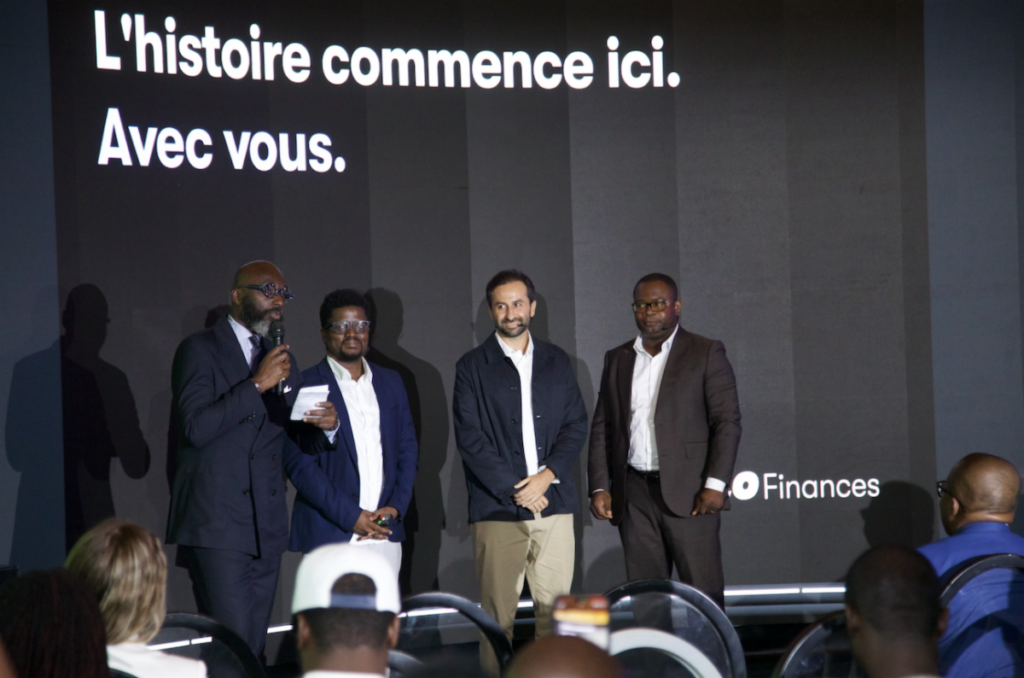
ABIDJAN, Côte d’Ivoire, 12 September, 2025 /African Media Agency (AMA)/ – Djamo Finances, a subsidiary of the Djamo group and a pioneering digital financial services platform in Francophone Africa, has officially obtained its license as a microfinance institution in Côte d’Ivoire, issued by the Ministry of Finance and Budget.

This regulatory recognition provides Djamo’s clients with an additional guarantee. The company’s governance has also been strengthened to better support and serve the financial needs of its growing customer base.

“Obtaining this license is a key milestone in our mission. It gives us the tools to reinforce customer trust and to become their primary financial partner in managing their daily finances, with regulated and guaranteed services designed to meet local economic realities. Thanks to our digital model, these microfinance services will now be within reach, anywhere, at any time, directly from a smartphone,” said Elfried Didehia, CEO of Djamo Finances.

With this license, Djamo will offer its clients new solutions such as access to credit, interest-bearing savings, and current accounts without limits. These new offerings build on an already strong suite of services that includes salary reception, payments and transfers, budget management, secure savings vaults, and investment. Djamo aims to become the primary financial partner for its clients, providing them with the full range of services they need to manage their finances. For users, this evolution means more simplicity, more security, and more opportunities.

In recent years, Côte d’Ivoire has recorded significant progress in financial inclusion: according to the World Bank, the rate has risen from 41% in 2017 to 58% in 2024. While more people now have access to bank accounts, access to credit and savings remains limited. Djamo’s license is part of this dynamic, enabling millions of people to access credit and savings services, paving the way for more comprehensive and sustainable financial inclusion.

Beyond Côte d’Ivoire, this license reflects Djamo’s Pan-African strategy to build a solid digital financial institution capable of supporting millions of people in their financial journey. Also present in Senegal, where it operates with its digital payment and transfer services, Djamo serves today more than one million users with a seamless, innovative, and 100% digital experience. Building on this milestone, the company reaffirms its vision of creating an accessible, user-centered financial institution

Distributed by African Media Agency on behalf of Djamo.

About Djamo

Djamo is a Pan-African digital financial services platform designed to make financial services simple, accessible, and useful to millions of people excluded from the traditional banking system, particularly in Francophone Africa, where fewer than 25% of adults hold a bank account.

Founded in 2019 in Côte d’Ivoire by Hassan Bourgi and Regis Bamba, Djamo provides, through a single interface, a range of solutions including Visa cards, instant transfers, bill payments, budgeting tools, secure savings vaults, and investments.

Driven by rapid growth, Djamo continues its regional expansion and its ambition to become the financial partner of choice in Francophone Africa.

Learn more: www.djamo.com

Press contact: press@djamo.io

The post Djamo Finances Secures Its Microfinance License in Côte d’Ivoire appeared first on African Media Agency.
Yango Group launches Yango Motors in Côte d’Ivoire, debuting at Abidjan Auto Show 2025 

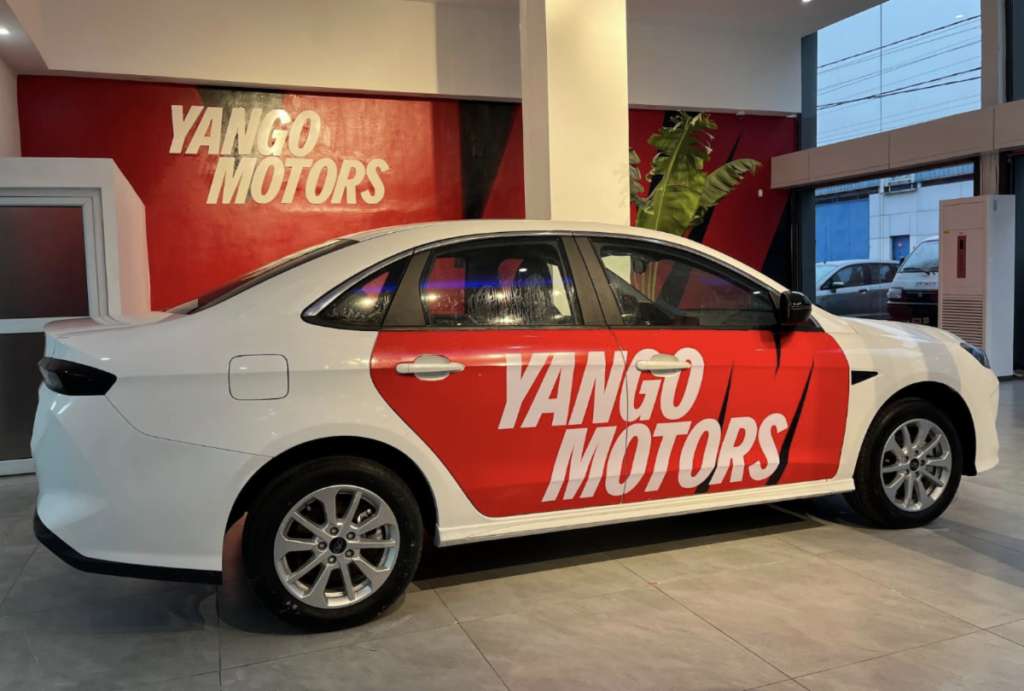
ABIDJAN, Côte d’Ivoire, 11 September 2025-/African Media Agency (AMA)/-Yango Group, the international tech company headquartered in Dubai, today announced the launch of Yango Motors, its new automotive business focused on bringing affordable, reliable, and well-adapted vehicles to local markets. Côte d’Ivoire becomes the first country where Yango Motors is introduced, marking the start of a new chapter in Yango’s efforts to support the development of modern, sustainable mobility ecosystems across Africa.

As an official distributor for the Chinese brands Bestune and Kaiyi, Yango Motors will provide a carefully selected range of models tailored to the realities of Côte d’Ivoire — designed with local needs, demand, and usage patterns in mind. By entering the dealership space, Yango aims not only to supply vehicles but also to support the growth of the entire mobility sector. The company’s approach is simple: make it easier for entrepreneurs, transport providers, and independent drivers to access the right vehicles on favorable terms, while ensuring long-term reliability and value.

To achieve this, Yango Motors will combine competitive pricing with dedicated financing options in partnership with local banks and leasing companies, as well as strong after-sales support and spare parts availability. These advantages will also be extended to the general public, giving individual consumers access to affordable, dependable, and energy-efficient cars for everyday use.

“Yango Motors is about more than vehicles — it is about making mobility easier, more accessible, and more sustainable for everyone in Côte d’Ivoire,” said Kadotien Alassane Soro, Country Head at Yango Côte d’Ivoire. “By offering cars that are adapted, reliable, and affordable, we aim to support Ivorians in their daily journeys and contribute to the growth of the local mobility ecosystem.”

Looking ahead, Yango Motors plans to accelerate the shift toward safer, more efficient, and environmentally friendly transport, including the introduction of electric models designed for urban mobility. This launch reinforces Yango Group’s broader mission: to go beyond digital services and create practical, technology-driven solutions that empower people and businesses across Africa.

Distributed by African Media Agency (AMA) on behalf of Yango.

About Yango Group

Yango Group is an international tech company headquartered in Dubai, transforming globally sourced technologies into everyday services that are tailored to local communities. With an unwavering commitment to innovation, we reshape and enhance leading cutting-edge technologies from around the world into seamlessly integrated daily services for diverse regions. Our mission is to bridge the gap between leading world innovations and local communities, fostering connections and enhancing everyday living experiences. Yango provides its digital services in various industries, including ride-hailing, delivery, foodtech, entertainment among many others, across 30+ countries in Africa, Latin America, Europe, Middle East, and other regions. 

Media Contact:

For more information please contact: pr@yango.com

The post Yango Group launches Yango Motors in Côte d’Ivoire, debuting at Abidjan Auto Show 2025  appeared first on African Media Agency.

Kenya achieves elimination of human African trypanosomiasis or sleeping sickness as a public health problem

Kenya Tsetse and Trypanosomiasis Eradication Council (KENTTEC)
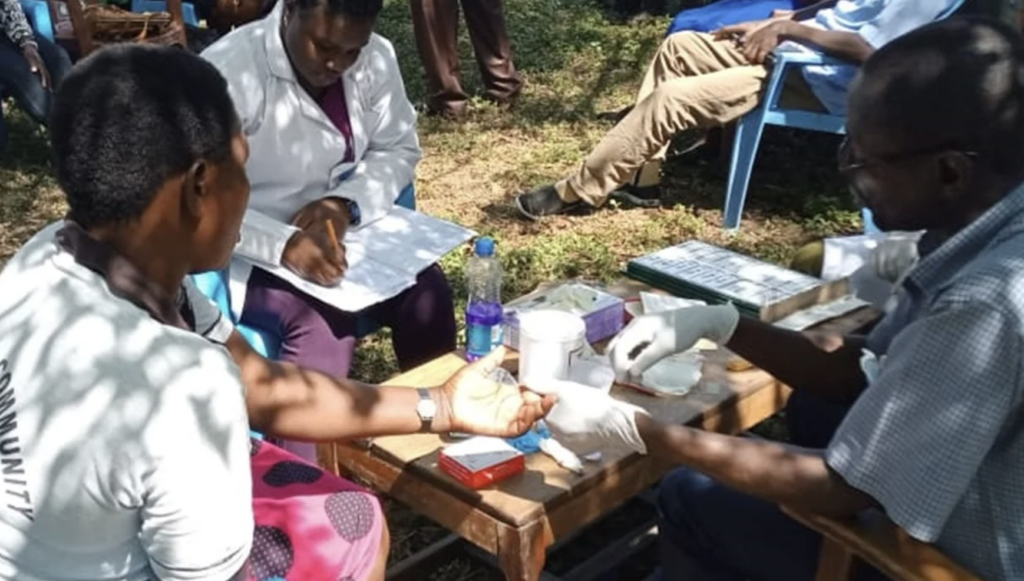
Community screening for human African trypanosomiasis (HAT) and monitoring of local populations in Lambwe Valley, Homa Bay County, Kenya.

GENEVA, Switzerland, August 12th 2025-/African Media Agency (AMA)/- The World Health Organization (WHO) has validated Kenya as having eliminated human African trypanosomiasis (HAT) or sleeping sickness as a public health problem, making it the tenth country to reach this important milestone. HAT is the second neglected tropical disease (NTD) to be eliminated in Kenya: the country was certified free of Guinea worm disease in 2018.

“I congratulate the government and people of Kenya on this landmark achievement,” said Dr Tedros Adhanom Ghebreyesus, WHO Director-General. “Kenya joins the growing ranks of countries freeing their populations of human African trypanosomiasis. This is another step towards making Africa free of neglected tropical diseases”.   

HAT is a vector-borne disease caused by the blood parasite Trypanosoma brucei. It is transmitted to humans through the bites of tsetse flies that have acquired the parasites from infected humans or animals. Rural populations dependent on agriculture, fishing, animal husbandry or hunting are most at risk of exposure.

As the name indicates, HAT is transmitted only on the African continent. The disease exists in two forms, gambiense and rhodesiense. The rhodesiense form (r-HAT), which is found in eastern and southern Africa, is the only one present in Kenya. It is caused by Trypanosoma brucei rhodesiense and progresses rapidly, invading multiple organs including the brain. Without treatment, it is fatal within weeks.

Kenya’s progress

“This validation marks a major public health milestone for Kenya, as we celebrate the elimination of a deadly disease in our country. The achievement will not only protect our people but also pave the way for renewed economic growth and prosperity,” said Dr Aden Duale, Kenya’s Cabinet Secretary for Health. “This follows many years of dedication, hard work and collaboration”.

The first cases of HAT in Kenya were detected in the early 20th century. Since then, Kenya has engaged in consistent control activities, without indigenous new cases reported for over 10 years. The last autochthonous case was detected in 2009, and the last two exported cases, infected in the Masai Mara National Reserve, were detected in 2012.

Recently, Kenya strengthened HAT surveillance in 12 health facilities in six historically endemic counties to act as sentinel sites. They were equipped with diagnostic tools and had their clinical personnel trained on diagnostic procedures, including the most sensitive and practical tests for r-HAT. The country also actively monitors the control and surveillance of tsetse flies and animal trypanosomiasis, both within and beyond the historical HAT endemic areas, supported by the national veterinary health authorities and the Kenya Tsetse and Trypanosomiasis Eradication Council (KENTTEC). These activities and the related data provide supplementary backing to the claim of HAT elimination as a public health problem.

“This key milestone reflects Kenya’s efforts and commitment over many years, as a collaboration between national and county governments, national research institutions, development partners and affected communities,” said Dr Patrick Amoth, EBS, Director General Health, Ministry of Health, Kenya. “The country remains fully committed to sustain the quality of care and surveillance in line with WHO’s recommendations”.

Supported by WHO and partners, including FIND, Kenya’s HAT elimination programme will now implement a post-validation surveillance plan to detect any potential resurgence or reintroduction of transmission. WHO continues to support ongoing monitoring in previously affected areas and maintains a stock of medicines to ensure rapid treatment of possible future cases, thanks to donations from Bayer AG and Sanofi.

“This success was made possible by the Ministry of Health’s leadership, the dedication of health workers in areas at risk and the support from key partners,” said Dr Abdourahmane Diallo, WHO Representative to Kenya. “WHO is proud to have contributed to this achievement and encourages all stakeholders to remain involved in post-validation monitoring”.

Progress in global HAT elimination

A total of 57 countries have eliminated at least one NTD. Of these, 10 (including Kenya) have successfully eliminated HAT as a public health problem. The other countries that have reached this milestone are Benin, Chad, Côte d’Ivoire, Equatorial Guinea, Ghana, Guinea, Rwanda, Togo and Uganda.

Distributed by African Media Agency (AMA) on behalf of WHO.

The post Kenya achieves elimination of human African trypanosomiasis or sleeping sickness as a public health problem appeared first on African Media Agency.

Pope urges Christian Brothers to be mindful of challenges young people face

Newly elected Pope Leo XIV met with the Brothers of Christian Schools in the Vatican on Thursday.

The group includes several hundred priests and nuns who work as teachers in Catholic schools around the globe.

He urged them to be mindful of the challenges faced by young people in today’s world.

“We think of the isolation caused by relationship patterns increasingly marked by superficiality, individualism, and emotional instability,” he told the group.

The pontiff added that there was a “spread of patterns of thought weakened by relativism, and the prevalence of rhythms and lifestyles in which there is not enough room for listening, reflection, and dialogue.”

This, he said, was the case at school, in the family, and sometimes among peers themselves, “resulting in loneliness”.

Founded by a French priest and educator in 1680, the brothers are marking the 300th anniversary of the institute’s recognition by Pope Benedict XIII in 1725.

Today, its schools can be found across the world including in 22 African countries, with a focus on education, community development, and youth formation.

It has also established six universities in Africa (Burkina Faso, Cameroon, Ethiopia, Côte d’Ivoire, Madagascar, and Kenya), each specialising in fields such as education, engineering, and medicine.

The Brothers are also involved in community outreach, offering health and educational services, vocational training, and support for marginalised populations.

Source: Africanews

Lusaka Music Colour Fest Lights Up with New Johnnie Walker Blonde Whisky

LUSAKA, Zambia, 8 May 2025 -/African Media Agency(AMA)/- Tohnnie Walker introduced its newest brand, Johnnie Walker Blonde, to Zambia at the Lusaka Music Colours Festival, marking the arrival of a lighter, fresher take on whisky made for today’s expressive generation. The festival’s vibrant atmosphere provided the perfect stage for Blonde’s playful and unexpected launch.

Johnnie Walker Blonde is a lighter, subtly sweet Scotch whisky designed to be mixed effortlessly, often with lemonade, and is now available in select stores and venues across Nigeria, Zambia, Mozambique, Côte d’Ivoire and the Democratic Republic of Congo.

Guests were ushered into the world of Johnnie Walker Blonde with elegantly curated Blonde Bars, signature serves paired with lemonade, immersive installations and bespoke giveaways, offering a vibrant yet sophisticated introduction to the brand’s bright new chapter.

Taking the stage were Yo Maps, Zambia’s king of melody, Jae Cash, the lyrical heavy-hitter, and Xaven, the Kopala Queen herself. Each performer brought fire to the stage, but at the centre of it all was the Johnnie Walker Blonde Liquid Experience, where festival goers discovered their perfect Blonde serve at the neon yellow bars. 

Designed for the disruptive, social-first drinker, Johnnie Walker Blonde is all about flavour without the fuss. It is smooth, bright, and built to remix tradition, just like Zambian youth culture, the flavours came with an unexpected burst, leaving room for experimentation with the palette and an experience at the Blonde Door became the go-to selfie moment for a crowd that came ready to experience.

“Johnnie Walker Blonde is playful, fun and made for moments like this,” said Ifeoma Agu, Head of Culture, Influencers and Advocacy for Diageo South, West and Central Africa. “We are here to create a fresh chapter for drinking culture in Zambia and Africa as a whole, one that is full of flavour, fun and unexpected experiences.”

From charging stations in the VIP to custom sampling cocktails and on-site merchandise for those who wanted to wear the vibe, every touchpoint screamed one thing, Johnnie Walker Blonde is here to play and to stay.

With Zambia officially onboard, Johnnie Walker Blonde continues its disruptive African rollout. The brand is redefining whisky one beat, one sip, and one Blonde Corner at a time.

For more about Johnnie Walker Blonde, where to find it, and how to mix it, follow @johnniewalkerafrica on Instagram.

Distributed by African Media Agency. on behalf of Topboy

About Johnnie Walker Blonde
Johnnie Walker Blonde is a fresh and disruptive twist on whisky. It is lighter, subtly sweet, and made for mixing over ice or with lemonade. Reimagined for a new generation of expressive drinkers, it is built for sundown moments and social connection.

About Johnnie Walker
Johnnie Walker is the world’s number 1 Scotch Whisky brand* (IWSR 2023) & the world’s number one International Spirits Brand* (IWSR 2023 Relative Market Share), enjoyed by people in over 180 countries around the world. Since the time of its founder, John Walker, those who blend its whiskies have pursued flavour and quality above all else. Today’s range of award-winning whiskies includes Johnnie Walker Red Label, Blonde, Black Label, Double Black, Green Label, Gold Label Reserve, Aged 18 Years, and Blue Label. Together they account for over 22 million cases sold annually (IWSR, 2023). Johnnie Walker is also the number one best-selling Scotch and number one trending Scotch (Drinks International, 2024)

About Diageo
Diageo is a global leader in beverage alcohol with an outstanding collection of brands including Johnnie Walker, Crown Royal, J&B, Buchanan’s and Windsor whiskies, Smirnoff and Cîroc vodkas, Captain Morgan, Baileys, Don Julio, Tanqueray and Guinness.
Diageo is listed on both the London Stock Exchange (DGE) and the New York Stock Exchange (DEO) and our products are sold in more than 180 countries around the world. For more information about Diageo, our people, our brands, and performance, visit us at www.diageo.com. Visit Diageo’s global responsible drinking resource, www.DRINKiQ.com, for information, initiatives, and ways to share best practice.
Celebrating life, every day, everywhere.

For media inquiries, please contact:
James B. Mbu
PR and Culture Agency Lead for Diageo South, West & Central Africa
The Plug
+2348027161243
Jb@plugng.com
https://www.plugng.com

Source : African Media Agency (AMA)

Shortlist of nominees announced for the African Banker Awards 2025

The 2025 edition of the Awards will recognise and celebrate the strides being made by banks across the continent with a focus on innovation, transformation and also the promotion of inclusivity and gender equality. 58 nominees have made the shortlist for the 2025 awards, which has become a fixture on the African banking calendar.

LONDON, England 2 May, 2025 -/African Media Agency(AMA)/- African Banker magazine has announced the shortlist of nominees for this year’s edition of its annual African Banker Awards.

The winners will be made known during the official gala ceremony scheduled for May 28th in Abidjan, Côte d’Ivoire, as part of the official programme of the Annual Meetings of the African Development Bank.

The 2025 edition of the African Banker Awards is organised by African Banker magazine and IC Events under the patronage of the African Development Bank. The ceremony’s platinum sponsor remains the African Guarantee Fund, a fund created to share risks with commercial banks to encourage them to lend to the SME sector while ATIDI, which provides facilities to ensure against country risks and other associated insurance services, comes in as exclusive cocktail sponsor.

The African Banker Awards has, since its inception in 2007, sought to recognise and celebrate the exceptional individuals and organisations driving Africa’s rapidly transforming financial services sector.

The shortlist of nominees for the African Banker Awards 2025 was selected from over 200 entries submitted in nine categories by banks spread across the African continent. This year, two female bank executives have emerged as nominees for the prestigious “Banker of the Year” award, underlining the leading role women continue to play in shaping Africa’s banking and finance landscape.

Speaking on the awards, Omar Ben Yedder, Chair of the Awards committee commented on the increasing focus on SME, sustainable banking practices and the role of fintechs in the ecosystem. “Banks have performed strongly last year despite headwinds and currency devaluations in major countries. We also received entries in the deals category that shows that there are numerous transformative transactions taking place. And yet, the message remains. Interestingly, SMEs proved to be a profitable asset class and one that banks are paying greater attention to. The advent of AI and other technological advancements are at the centre of bank strategies too. The continent needs even bigger banks to support our growth agenda.”

The nominees for the African Banker Awards 2025 are as follows:

Bank of the Year

  • Commercial International Bank Egypt (CIB)
  • Ecobank
  • First Bank of Nigeria Limited
  • Kenya Commercial Bank (KCB Group Plc.)
  • Mauritius Commercial Bank (MCB Ltd.)
  • Trade and Development Bank Group (TDB Group)
  • Coris Bank International

Banker of the Year

  • Abdulmajid Mussa Nsekela – CRDB Bank Plc.
  • Jeremy Awori – Ecobank
  • Karim Awad – EFG Holding
  • Léon Konan Koffi – AFG Holding
  • Mukwandi Chibesakunda – Zanaco Inc.
  • Patricia Ojangole – Uganda Development Bank
  • Sidi Ould Tah – The Arab Bank for Economic Development in Africa (BADEA)

Sustainable Bank of the Year

  • Commercial International Bank Egypt (CIB)
  • CRDB Bank Plc.
  • Kenya Commercial Bank (KCB Group Plc.)
  • Nedbank
  • Trade and Development Bank Group (TDB Group)

Fintech of the Year

  • 4G Capital
  • Inclusivity Solutions
  • Network International
  • Oze
  • ProfitShare Partners
  • Valu

DFI of the year

  • African Export-Import Bank (Afreximbank)
  • African Trade Insurance Agency
  • Bank of Industry
  • Banque Ouest Africaine de Développement (BOAD)
  • ECOWAS Bank for Investment and Development (EBID)
  • Shelter Afrique Development Bank (ShafDB)
  • Trade and Development Bank Group (TDB Group)

SME Bank of the Year

  • Co-operative Bank of Kenya Ltd.
  • CRDB Bank Plc.
  • Ecobank
  • Standard Bank
  • Uganda Development Bank

Deal of the Year – Infrastructure

  • US$83.35 MM Al Zahy Group For General Contracting (Ahmed El Zzahy & Co.) – National Bank of Egypt
  • US$646.64 MM (ZAR 12 Billion) Envusa Energy – Absa Bank Ltd. / Rand Merchant Bank
  • US$1.9 Billion Kano Maradi Railway Project – African Finance Corporation / African Export-Import Bank (Afreximbank)
  • Project Platinum – US$200 MM Dividends Backed Capital Raise by BUA Industries Limited – Africa Finance Corporation
  • US$188.62 MM (ZAR 3.5 Billion) Scatec Mogobe Battery Energy Storage System – Standard Bank
  • US$1.04 Billion Suez 1.1 GW Wind Power Project in Egypt: Powering Africa’s Renewable Future – African Development Bank
  • US$1.20 Billion (ZAR 22.25 Billion) Mokolo Crocodile River Water Augmentation – Standard Bank

Deal of the Year – Debt

  • US$119 MM Green, Social and Sustainable Development Bond – ECOWAS Bank for Investment and Development (EBID)
  • US$2.05 Billion Bank of Industry – 2024 Facility – Afreximbank/Africa Finance Corporation/ Bank of Industry
  • US$394 MM ETC Group (Mauritius), Inaugural Sustainability Linked Loan (SLL) – Trade and Development Bank Group (TDB Group)
  • US$13 Billion Ghana’s Eurobond Debt Restructuring – Hogan Lovells
  • US$18 MM Letshego Holdings Namibia Limited Social Bond – Rand Merchant Bank (RMB)
  • Republic of Benin €507.5 facility – African Trade Insurance Agency
  • Sahara Group’s US$500 MM Debt Sub-Participation Financing – Africa Finance Corporation
  • US$ 590 MM – The Egyptian Chemical Industries Company (KIMA) – National Bank of Egypt

Deal of the Year – Equity

  • Aradel Holdings’ US$2 Billion Listing by Introduction on Nigerian Exchange Limited – Standard Bank
  • Boxer’s US$470 MM Initial Public Offering (IPO) – Standard Bank
  • FQM’s US$1.15 Billion Bought Deal on the Toronto Stock Exchange- Absa Bank Ltd.
  • Nigerian Breweries’ US$352 MM Rights Issue – Standard Bank
  • Renaissance Acquisition of Shell- US$2.4 Billion – PwC Nigeria
  • Boxer’s US$470 MM Initial Public Offering (IPO) – Absa Bank / Standard Bank

Distributed by African Media Agency. on behalf of IC Publications

About the African Banker Awards

The African Banker Awards are prestigious awards that celebrate excellence and best practices in banking and finance in Africa. These annual awards honour outstanding individuals and remarkable financial institutions that are transforming the continent’s financial sector and contributing to economic development and financial inclusion in Africa.

Organised by African Banker magazine in partnership with IC Events, the Awards bring together industry leaders from across the continent to honour innovation, resilience and competitiveness in the African banking sector.

For more information about the African Banker Awards, please visit our website at www.AfricanBankerAwards.com.

About African Banker

African Banker is a pan-African publication dedicated to the banking industry across the continent. African Banker provides in-depth analysis and commentary on the trends shaping Africa’s financial landscape.

As a trusted source of information, African Banker offers a unique perspective on the challenges and opportunities facing the African banking sector.

For any further information, please contact Constance Haasz at the following address: c.haasz@icpublications.com

Source : African Media Agency (AMA)

Political upheaval Is redrawing Africa’s fiscal landscape

Just months after his return to power in December 2024, Ghana’s President John Mahama faces a critical challenge that could define his second term: managing a ballooning public debt while offering relief to citizens worn down by years of austerity.

According to a new joint white paper from Pangea-Risk and Acre Impact Capital, titled “The Impact of Political Change on Africa’s Credit Outlook in 2025,” the Mahama administration has scrapped five taxes introduced in 2023 under IMF loan conditions, including a 1% levy on mobile money transfers and VAT on vehicle insurance. These tax cuts, worth an estimated $430 million annually, aim to ease the burden on households but risk widening Ghana’s fiscal deficit and straining its $3 billion IMF program.

“The removal of IMF-linked taxes may further constrain Ghana’s fiscal position and complicate its relationship with the IMF,” the report warns. As Ghana remains largely locked out of international credit markets, the government’s push to renegotiate IMF terms underscores the tightrope it must walk between economic populism and fiscal discipline.

Across Africa, the election cycles of 2024 and 2025 are stress-testing public finances in fragile democracies. From Ghana to Gabon, political transitions, some peaceful, others turbulent, are reshaping investor sentiment, altering fiscal strategies, and exposing deep-seated vulnerabilities in African debt economies.

In South Africa, the African National Congress (ANC) lost its parliamentary majority for the first time in 30 years, paving the way for a coalition Government of National Unity (GNU). While markets initially welcomed the GNU, with the rand appreciating by 4%, increased appetite for local bonds, and record highs on the Johannesburg Stock Exchange, the honeymoon appears to be fading.

“GNU partners have already compelled the ANC-led finance ministry to reduce the planned VAT increase from 2% to 1%, spread over two years,” the report notes, warning that this concession will limit revenue growth. South Africa’s public debt is expected to peak at 76.2% of GDP in 2025/26, with debt servicing projected to consume 22% of government revenue. Yet the country’s strong domestic creditor base provides a buffer against global volatility.

Cameroon presents a different picture, with political uncertainty at the core of its economic fragility. President Paul Biya, now 92, is set to run again in the October 2025 elections, stoking concerns about leadership continuity. “Speculation over his health and succession has rattled domestic and external stakeholders,” the report says.

The country’s IMF program expires in July, with continued support contingent on tough fiscal reforms, including a $151 million surplus by March, restrained borrowing, and a sharp increase in non-oil tax revenues to $1.67 billion. Yet in November 2024, Cameroon managed to raise less than 30% of its $22 million bond issuance target, reflecting investor wariness amid political uncertainty.

Not all stories are cautionary. Côte d’Ivoire, despite rising political tension over a potential fourth-term bid by President Alassane Ouattara, continues to display fiscal resilience. “The country’s adherence to reform and sound debt management has earned it credit rating upgrades and positive IMF reviews,” the report states.

With a vibrant economy driven by oil, gas, and mining, Côte d’Ivoire is on track to cut its fiscal deficit from 4.5% in 2024 to 3% in 2025. In December 2024, it launched a landmark debt swap backed by the World Bank, converting $420 million in expensive commercial debt into concessional financing, a move projected to save $350 million over five years.

Meanwhile in Gabon, the transition from military rule is unfolding with both urgency and risk. The interim government, led by General Brice Oligui Nguema following the 2023 coup, has scheduled elections for April 12, 2025, in a bid to regain international legitimacy.

Despite strained public finances, the government has increased infrastructure spending by 67% and public sector wages by 12%. These moves have pushed Gabon’s debt-to-GDP ratio past the 70% threshold set by the Economic and Monetary Community of Central Africa (CEMAC), with projections pointing to more than 80% in 2025.

In January 2025, the World Bank suspended funding over $27 million in unpaid arrears. To avert default on a $605 million Eurobond due in June, Gabon orchestrated a buyback of half the bond via Morocco’s Attijariwafa Bank and issued a new $570 million Eurobond in February. “Though costly, the refinancing has eased immediate repayment pressures,” the report explains. A peaceful election in April could strengthen Gabon’s hand in IMF negotiations and unlock concessional financing for infrastructure.

Source: Africanews

The second edition of Abidjan Art Week comes to a close

The second edition of Abidjan Art Week came to a close this weekend in Abidjan, the economic capital of Côte d’Ivoire.

Fourteen galleries, art centers, and foundations came together to offer the public an exceptional artistic journey. Shuttle buses were made available for the occasion, allowing visitors to explore the two designated routes.

The event successfully drew a wide audience, especially young art enthusiasts. The initiative was launched in 2023 by Professor Yakouba Konaté on the sidelines of the Africa Cup of Nations.

“This event reflects the role that Abidjan already plays in music and traditional arts. It is time for the city to make its mark in modern and contemporary art through a well-structured event open to Africa and the world,” said Prof. Yakouba Konaté, the director of La Rotonde des Arts and founder of Abidjan Art Week.

Among the highlights of this edition: a unique collaboration between two major institutions of Abidjan’s art scene – the Donwahi Foundation and the Cécile Fakhoury Gallery – who joined forces to honor Togolese visual artist Sadikou Oukpedjo, a figure of international renown.

“Abidjan Art Week offered a great opportunity to present this collaborative project with the Foundation. The idea was to showcase the same artist in two different venues, as part of a unifying event,” said Cécile.

Born in northern Togo, Sadikou Oukpedjo trained in the 1990s in Lomé, in the studio of master Paul Ahyi. Originally a wood sculptor, he expanded his practice into painting, creating a unique body of work that has been exhibited in prestigious galleries and collections around the world.

“What I do can be called painting. I start with pigments, sometimes use a brush. It’s like painting sculptures: there’s volume—you could almost take them out and place them on a pedestal,” said Sadikou.

Nina Dorine Kossi, a fine arts student, took part for the first time in the Abidjan Art Week circuit.

“I visited several galleries. What I saw was magnificent—the colors, the techniques. It was truly splendid. I enjoyed it,” said Nina.

Young people turned out in large numbers, including in working-class neighborhoods like Abobo.

The Sankoinian Cultural Center organized a fashion show using second-hand clothes, presented as a live exhibition to encourage creativity and inspire a new generation of Abidjan youth passionate about art.

Source: Africanews

GITEX Africa 2025: Yango Group Showcases Its Technological Innovations for Urban Mobility

MARRAKECH, Morocco, 23rd April 2025-/African Media Agency (AMA)/- Yango Group, a global technology company that transforms cutting-edge technologies into everyday services tailored to local communities, has taken part in GITEX Africa 2025, which took place from April 14 to 16 in Marrakech, Morocco. This participation reflected Yango’s continued commitment to supporting African tech ecosystems and promoting innovative mobility solutions across the continent.

GITEX has offered Yango Group a platform to showcase its advanced technologies and their transformative impact on urban mobility in the MENAP region (Middle East, North Africa, Afghanistan, and Pakistan) and throughout Africa. The company has also presented its long-term commitment to the region’s economic and technological development and innovation, reshaping and enhancing cutting-edge technologies into daily integrated services for diverse regions. 

“At Yango Group, we see digital mobility as a key driver of Africa’s economic and urban transformation. As digital platforms redefine how people and goods move through rapidly growing cities, we are building technology solutions that not only improve transport but also empower local entrepreneurs and tech ecosystems. Our presence at GITEX Africa reflects our commitment to this vision and to supporting sustainable growth across the continent” said Kadotien Alassane Soro, Country Head of Yango in Côte d’Ivoire.

Kadotien Alassane Soro, Country Head of Yango in Côte d’Ivoire, also participated in a panel discussion “Rethinking Mobility – Innovation, Platforms, and the Path to Sustainable Transport” on Tuesday, April 15. During this session, both Kadotien Alassane Soro, and Zanyiwe Asare, Head of Public Policy at Yango in Africa explored how ride-hailing and delivery services, multimodal integration, and fleet electrification are helping to create more efficient, accessible, and sustainable mobility ecosystems across Africa.

The discussion also highlighted Yango Ventures, a corporate venture fund designed to empower promising startups across LATAM, Sub-Saharan Africa, MENAP, and other high-growth regions of the company’s presence. The initiative aims to foster local innovation and entrepreneurial growth by providing both capital and leveraging its extensive experience and network, creating opportunities for startups to scale effectively. This support is designed to help them generate sustainable impact within their communities.

“We’re more than a tech company; we are an ecosystem committed to empowering entrepreneurs worldwide. Through Yango Ventures, we’re sharing our expertise and network to help startups scale, thrive, and drive meaningful change in their communities and supporting local talent with the right tools and resources, we aim to foster sustainable business growth and contribute to resilient, inclusive economies across the globe,” Mr. Soro added. 

Visitors to the exhibition had an opportunity to discover Yango Group’s various solutions and services, including:

  • Yango Ride: the ride-hailing service revolutionizing urban mobility by offering a safe, reliable, and affordable alternative to traditional transport
  • Yango Delivery: the delivery service empowering local merchants to expand their reach and enhance logistical efficiency
  • Yango Maps: a GPS solution offering users detailed maps and accurate routing for driving, walking, and public transportation
  • Yango Pro: the partner-driver app designed to maximize drivers’ efficiency and earnings

Yango’s participation in GITEX Africa 2025 highlights its ambition to strengthen its footprint across the African continent and contribute to the development of innovative, sustainable mobility ecosystems. By showcasing its advanced technologies and sharing its vision for the future of urban mobility, Yango reaffirms its commitment to delivering solutions that address the specific challenges of fast-growing African cities.

Distributed by African Media Agency (AMA) on behalf of Yango

About Yango Group

Yango Group is a global technology company that transforms worldwide technologies into everyday services designed for local communities. With a strong commitment to innovation, we reshape and enhance cutting-edge technologies into daily integrated services for diverse regions. Yango offers its services through its Super App and ride-hailing services in over 30 countries across Europe, the Middle East, Africa, and Latin America. The multilingual Yango app is available for free on Android and iOS.

Press Contacts

For Yango: pr@yango.com

For African Media Agency: Roland Klohi — roland@africanmediaagency.com

Source : African Media Agency (AMA)

Côte d’Ivoire clearly beats Rwanda (60-03) and qualifies for the group stage of the Rugby Africa Cup 2020

Rugby Africa Cup 2020

ABIDJAN, Ivory Coast, November 24, 2019/ — The Elephants beat the Rwandan Silverbacks (60-03) at the Bingerville Municipal Stadium in the qualifying rounds of the Rugby Africa Cup 2020 (RugbyAfrique.com).

Côte d’Ivoire’s Elephants will now enter the group stage of the Rugby Africa Cup 2020 where they will face Kenya and Morocco in June 2020.

In front of their home fans, the Côte d’Ivoire team dominated the match and put in a merciless 60-03 performance against Rwanda. With 8 tries, of which 4 were converted, and 4 penalties, the Ivorian Fifteens succeeded in turning the match in their favour. At half-time, the score stood at 31-0 to Côte d’Ivoire, to ultimately finish at 60-3.

With the excellent Meité Bakary (man of the match; scored 2 tries), Salif Touré, Konan N’Guessan, Bossonon Issa, Barro Mohamed and Peres Paul who all scored a try each, the Elephants thrilled their supporters, who came in droves to the Bingerville Municipal Stadium. The Rwandan Silverbacks were consoled with a penalty from Moise Habumugisha.

In the group stage of the RAC 2020, Côte d’Ivoire will be Group B, and will go to Morocco to cross swords with the Atlas Lions on 13 June 2020 before facing Kenya at home on 27 June 2020.

Reactions

Claude Ezoua, Rwanda’s Coach: “It went wrong for us in the scrum. Defensively, we were not up to standard and so it’s normal that we lost with this score. We have started the job at rugby Rwanda, and we are going to continue working to reach the level of the greatest teams.  We have drawn the lessons from this match and are going to continue working in an academic setting. That is what we did when we were in the Côte d’Ivoire. We are going to follow the same method to become a great rugby nation.” 

Donat Kanyahango, Captain of Rwanda: “We were not up to standard. The Côte d’Ivoire were better on the field. Well done to them. We are going to continue our work to reach the highest level. In this match, we made errors in the scrum. Defensively, we weren’t there.  And when you play against the Côte d’Ivoire, you pay a high price for these kind of errors.”

Edgard Babou, Côte d’Ivoire’s Sports Manager: “We had to put in an impressive performance here at home and that’s what we did. But it’s still not perfect. We must continue to work hard to beat Morocco and then Kenya. The group stage will be challenging. We need to continue the work we have started to come top of group B. Kenya is a big obstacle.”

Meité Bakary, Captain Côte d’Ivoire: “It was a great pleasure to return to play in the Côte d’Ivoire.  We needed to thrill our Ivorian fans, to make them smile. I thank all those who have supported us.  We for sure beat Rwanda, but they caused us some trouble. We have qualified for the group stage, now it’s a matter of working hard to be ready for Kenya and Morocco. Our ambition still stands, and we are going to work hard to achieve that ambition. I happened to be man of the match, but congratulations to the whole team. Rugby is a team sport. And we take the hits together.”

Distributed by APO Group on behalf of Rugby Africa.