
Tag Archives: The World Bank

Senegal Launches AgriConnect Compact to Transform its Agriculture Sector

Washington, USA, 11 February 2026 -/African Media Agency (AMA)/- The Government of Senegal, in partnership with the World Bank Group, today announced the launch of the AgriConnect Senegal Compact. This strategic initiative aims to transform the country’s agri-food systems and improve food security for millions of Senegalese.

Aligned with the Senegal National Agenda for Transformation 2050 and the Food Sovereignty Strategy (SSA 2025-2034), the AgriConnect Pact is a harmonized implementation mechanism mobilizing the Government of Senegal and the World Bank Group – through the International Development Association (IDA), the International Finance Corporation (IFC), and the Multilateral Investment Guarantee Agency (MIGA) – as well as technical and financial partners, the private sector and producer organizations.

The initiative focuses on three priority value chains: grains, horticulture, and livestock. It is based on three axes: (i) making structural investments in agricultural infrastructure and services; (ii) revising sectoral policies to improve the business environment; and (iii) encouraging more private investment to spur innovation and competitiveness.

By 2029, the AgriConnect Compact aims to achieve more than 90% food security at the national level and create 800,000 formal jobs in the agricultural sector. Among the objectives set are an increase in the cereal coverage rate from 48% to 78%, rice self-sufficiency to 64%, and the establishment of 100 community-based agricultural cooperatives across the country.

In addition to its strategic orientation, this ambition represents a significant shift in the design, coordination, and implementation of national agricultural and food policies.

“AgriConnect is a model platform for structuring a pipeline of projects related to the National Transformation Agenda. Thanks to sector program contracts that involve all stakeholders, it aims to achieve the expected impacts of the Senegal Vision 2050, which is sovereign, just and prosperous,” said Ahmadou Al Aminou Lo, Minister of State to the President of the Republic, in charge of monitoring, steering and evaluating the Senegal 2050 National Agenda for Transformation. “This platform embodies the strategic coherence sought in the structuring of sectors, engines of sustainable growth. The highest government authorities attach particular importance to results-based management during the implementation of these multisectoral programs. Thus, it is expected that the stakeholders in this initiative will aim for operational efficiency to improve the well-being of the population.”

The partnership is part of a national dynamic, which places food sovereignty at the heart of the country’s transformation agenda.

“The AgriConnect Pact aims to concretely transform the lives of our populations,” said Mabouba Diagne, Minister of Agriculture, Food Sovereignty and Livestock. “These are families that will be able to better feed their children, farmers who will see their incomes increase and stabilize, young people who will find jobs and a future in modern and profitable agriculture. This direct improvement in living conditions, both in our countryside and in our cities, will guide our implementation with the World Bank Group, our partners, and the private sector.”

The World Bank Group is committed to supporting Senegal in translating its goals into lasting impacts for its people.

“What drives us in AgriConnect is the belief that Senegalese agriculture can feed Senegal, create opportunities for its youth, and become an engine of shared prosperity,” said Ousmane Diagana, World Bank Vice President for Western and Central Africa. “Through the coordinated action of IDA, IFC and MIGA, we want to catalyze a dynamic where public and private investment converge towards a single objective: to make food sovereignty and jobs a tangible and lasting reality for every Senegalese.”

The governance of the Pact is ensured by the Minister of State, responsible for monitoring the Senegal 2050 National Agenda for Transformation, with operational implementation entrusted to the Ministry of Agriculture, Food Sovereignty and Livestock via its ” Delivery Unit “. A joint steering committee will be established for planning, coordination and monitoring with the support of the Technical Group of Partners (GTP).

The Compact was developed in consultation with the following technical and financial partners: the International Fund for Agricultural Development (IFAD), the Food and Agriculture Organization of the United Nations (FAO), the World Food Program (WFP), the French Development Agency (AFD), the African Development Bank (AfDB), the Islamic Development Bank (IDB), and the Japan International Cooperation Agency (JICA). Deutsche Gesellschaft für Internationale Zusammenarbeit (GIZ), Kingdom of the Netherlands, MasterCard Foundation and Bill & Melinda Gates Foundation.

Distributed by African Media Agency (AMA) on behalf of Word Bank Group.

Contacts
At the Ministry of Agriculture, Food Sovereignty and Livestock of Senegal:

Penda Mbow,
(221) 77 274 52 37
mbowpendarts@gmail.com

At the World Bank Group in Dakar:
Seydina Alioune Djigo,
+221 77 442 66 70
sdjigo@worldbankgroup.org

The post Senegal Launches AgriConnect Compact to Transform its Agriculture Sector appeared first on African Media Agency.
Narrow Path to Recovery: Finding a Climate-Smart Pathway and Stabilizing South Sudan’s Economy

Washington, USA, 05 February 2026 -/African Media Agency (AMA)/- Two new World Bank Group reports released today underscore that South Sudan stands at a critical crossroads, where restoring public finances and taking urgent, climate-smart action are essential to reversing economic decline and placing the country on a sustainable development path. The new Public Finance Review (PFR) and Country Climate and Development Report (CCDR) warn that intensifying climate shocks, combined with weak fiscal management, is driving a dangerous cycle of fragility, conflict, displacement, and deepening poverty.

The reports find that devastating floods, rising temperatures, and increasingly frequent climate shocks are already reshaping livelihoods, weakening the economy, and heightening social vulnerability—particularly for women, pastoralists, and resource-dependent communities. These pressures are compounding long-standing structural constraints: despite vast oil resources, South Sudan’s development has stalled due to fragile institutions, opaque revenue management, misallocation of public spending, and elevated macroeconomic vulnerabilities.

The Country Climate and Development Report (CCDR) projects that South Sudan will require over US$13 billion in climate adaptation investments by 2050. Extreme flooding, now considered the ‘new normal’ covers up to one-quarter of the country in severe years, cutting communities off from essential services, damaging livelihoods, and contributing to widespread food insecurity. Climate change is also projected to cause substantial declines in labor productivity, livestock revenues, and crop yields, including an 8% reduction in sorghum yields by 2050 under hotter climate conditions.

The Public Finance Review (PFR) documents how volatility and eroded fiscal space have been driven by extreme oil dependence, combined with underinvestment, disruptions to Sudan’s export infrastructure, and governance gaps. According to the report, public spending averages 35% of GDP but is skewed toward administration, security, and rule of law, while health, education, and social protection remain severely underfunded. Salary arrears are widespread, and average public wages have collapsed in real terms.

“The PFR provides a timely and actionable roadmap for restoring economic stability in South Sudan. As a government, we are committed to taking immediate steps by accelerating the implementation of Public Financial Management (PFM) reforms and strengthening budget discipline. These reforms are essential to rebuild trust, stabilize our economy, and deliver basic services to our people,” said Honorable Benjamin Ayali Koyongwa, Undersecretary of Planning in the Ministry of Finance, Republic of South Sudan.

The PFR recommends the government take action to help stabilize inflation, strengthen the exchange rate, rebuild trust with partners, and open the door for deeper reforms, including: Committing to transferring all oil revenues into the National Revenue Fund and publishing quarterly oil data to rebuild confidence in resource management; Prioritizing monthly salary payments to stabilize public administration and frontline service delivery; Publishing budget execution reports, annual financial statements, and the full list of capital projects to strengthen transparency and accountability; Refraining from entering any new non-concessional or ‑oil-backed‑ borrowing agreements that jeopardize future revenues; Following procurement rules for crude oil sales and ensure Parliamentary oversight for all prepayment arrangements.

“South Sudan stands at a pivotal moment – climate change is no longer a distant threat, it is a daily reality, reshaping the country’s economy and communities. However, by improving public financial management, prioritizing climate-smart policies and investments, strengthening institutions, and protecting essential services, South Sudan can place itself on a more resilient and sustainable development path,” said Charles Undeland, World Bank Group Country Manager for South Sudan. “The World Bank Group stands ready to continue supporting the government in these critical steps,” he added.

The CCDR underscores that South Sudan’s natural wealth is in its fertile land, water systems, and renewable energy potential which can be engines of growth. The report highlights inclusive, climate-informed growth as a key pathway to greater resilience for South Sudan. It identifies five priorities to address the climate impact in South Sudan:

  • Strengthen flood management, including early warning systems, community‑led preparedness, and rehabilitation of critical infrastructure.
  • Invest in climate‑resilient agriculture and livestock systems, including improved seeds, sustainable grazing systems, and better access to water.
  • Scale up off‑grid renewable energy solutions, essential for resilience, health services, education, and economic diversification.
  • Accelerate governance and public financial management reforms to direct more resources toward climate‑smart investments.
  • Enable responsible, sustainable use of natural capital especially forests, fisheries, and wildlife to support rural livelihoods and expand economic opportunities.

The World Bank Group Country Climate and Development Reports (CCDRs) are a core tool for integrating climate and development. CCDRs assist countries in identifying and prioritizing actions that address greenhouse gas emissions and adaptation needs in ways that align with broader development objectives. These reports provide data, research, cost assessments, and suggest priority actions to facilitate a low-carbon, resilient transition. They are intended to guide governments, the public, private sector, and partners by feeding into the World Bank’s diagnostics and operations to enhance funding for effective climate action.

Distributed by African Media Agency (AMA) on behalf of Word Bank Group.

Contacts
Addis Ababa: Gelila Woodeneh, (+251) 911 50 1196, gwoodeneh@worldbank.org
Juba: Lomoro A. John Sindani, (+211) 925 472 380, lsindani@worldbankgroup.org

The post Narrow Path to Recovery: Finding a Climate-Smart Pathway and Stabilizing South Sudan’s Economy appeared first on African Media Agency.
World Bank Group Appoints Johan A. Mistiaen as New Country Manager for Niger

Washington, USA, 02 February 2026 -/African Media Agency (AMA)/-The World Bank Group has appointed Johan A. Mistiaen as the new World Bank Group Country Manager for Niger, effective today.

In this role, Mr. Mistiaen will lead the World Bank Group’s engagement in Niger—spanning the World Bank (IBRD and IDA), the International Finance Corporation (IFC), and the Multilateral Investment Guarantee Agency (MIGA)—working closely with the Government of Niger, development partners, the private sector, and civil society towards advancing the country’s development priorities.

“Joining our team, clients, and partners in Niger is a privilege. I look forward to continuing building and enriching our strong partnership with Niger and leverage support from across the World Bank Group to help further the country’s efforts to promote inclusive growth and create more and better jobs,” said Johan A. Mistiaen, World Bank Group Country Manager for Niger.

A Belgian national, Mr. Mistiaen has been with the World Bank Group since 2004, serving in multiple leadership capacities, including as Practice Manager for the Poverty and Equity Global Practice in Western and Central Africa. His prior roles include Program Leader for Equity, Finance, and Institutions (EFI) for both the Kenya Country Management Unit in Nairobi and the Senegal Country Management Unit in Dakar. Mr. Mistiaen holds academic qualifications in biology, economics, and statistics from the University of York (UK) and the University of Maryland (USA). He has contributed to applied economics through publications in journals and edited volumes, focusing on welfare measurement and policies aimed at reducing poverty and inequality.

The World Bank’s (IDA) active portfolio in Niger comprises 23 operations—13 national and 10 regional —totaling about $4.45 billion in commitments, with investments in transport, water, energy, and agriculture, alongside support for governance, human capital, urban and social development, environment, and the digital sectors. IFC’s committed investment portfolio in Niger stands at $50 million, primarily in infrastructure and finance. MIGA has $2 million in exposure in the mobile money sector and indirect exposure through West African Development Bank lending operations.

Distributed by African Media Agency (AMA) on behalf of Word Bank Group.

Contacts
In Niamey:
Mouslim Sidi Mohamed,
msidimohamed@worldbank.org

The post World Bank Group Appoints Johan A. Mistiaen as New Country Manager for Niger appeared first on African Media Agency.
Benin: 10,000 Women Entrepreneurs Receive Business Development Support

Washington, USA, 16 January 2026-/African Media Agency(AMA)/-The World Bank approved $100 million in financing from the International Development Association (IDA) to help Benin promote access to finance and growth for women entrepreneurs in both the formal and informal sectors.

The Women Entrepreneurship Development and Access to Finance Program (WEDAF) is a results-based program (PforR). It will support the government in setting up a Women’s Business Center and provide more than 10,000 women-led micro, small, and medium enterprises (MSMEs) with access to loans, training, mentoring, and career advice. This results-based program will competitively select a cohort of promising enterprises led or owned by women-Les Agodjié, who are the champions of women’ s entrepreneurship. These Agodjié Champions will benefit from a package of support, including technical assistance, access to tailored financing instruments, investment readiness support, market access, as well as structured mentorship, to position their businesses as flagships of the Beninese economy and engines of job creation.

“In addition to the challenges that all businesses face, women face specific barriers that limit the creation, development, and growth of their businesses. The WEDAF program aims to accelerate the growth of women-owned and women-led businesses and strengthen their role in creating jobs and wealth,” said Mamadou Tanou Baldé, World Bank Acting Country Manager for Benin. “When women entrepreneurs have access to finance, training, and mentorship, their business performance and job creation increase significantly.”

This program benefits from substantial complementary support from the International Finance Corporation (IFC), the private sector arm of the World Bank Group. The latter will bring its expertise in capital structuring, its ability to mobilize regional investors, as well as its technical expertise, through tailor-made advisory services. It will help overcome capacity, formalization and financing barriers faced by women entrepreneurs. In addition, IFC will offer its own financing solutions, focusing on SMEs with commercial potential, while increasing the number of women-led businesses benefitting. This will involve current and future investments as well as advisory services – such as the Banking on Women program – for the benefit of partner financial intermediaries.

Only 3.9% of women-managed businesses have access to bank loans, and many operate in a market segment underserved by microfinance institutions or commercial banks. This program is a real opportunity to turn women entrepreneurs into true national champions,” says Vincent Arthur Floreani, IFC Country Officer for Benin.

This program is aligned with the National Policy for the Development and Promotion of SMEs 2025-2035. Its objective is that by 2035, Beninese MSMEs will operate competitively in an adequate institutional framework and a business environment conducive to wealth creation and decent and sustainable jobs.

Contacts
In Cotonou:
Gnona Afangbedji,
+229 01 90 07 4732
yafangbedji@worldbank.org

The post Benin: 10,000 Women Entrepreneurs Receive Business Development Support appeared first on African Media Agency.
World Bank Scales Up Support to Cabo Verde’s Energy Transition and Universal Access

Washington, USA, 13 January 2026 -/African Media Agency(AMA)/- The World Bank today approved a $13.30 million concessional financing through the International Development Association (IDA) for Cabo Verde’s renewable Energy and Improved Utility Performance Project (REIUP). The operation is co-financed by a $1.2 million concessional loan and $0.41 million grant from the Canada Clean Energy and Forest Climate Facility (CCEFCF), as well as a $0.4 million reimbursable grant from the Global Infrastructure Facility (GIF).

The financing will support Cabo Verde to accelerate its clean energy transition and achieve universal access to electricity.

Cabo Verde has made significant progress in energy access, achieving 98% coverage and bringing reliable electricity to nearly the entire population. The country has also advanced its energy transition efforts, aiming for 100% renewable electricity by 2040, supported by ongoing sector reforms. Meeting the country’s targets will require further investment in clean power, improved grid stability, and continued reforms following the demerger of the vertically integrated utility ELECTRA. The approved financing supports these national priorities and is expected to leverage substantial private capital for large-scale renewable energy deployment.

“The scaling up of REIUP reinforces Cabo Verde’s ambition to become a leader in achieving universal access to electricity in Africa. By mobilizing private capital to accelerate the energy transition and strengthening the sector’s institutional foundations, the project will help ensure a sustainable, financially viable, and climate-resilient energy sector”, said Kwawu Mensan Gaba, World Bank Energy Global Practice Manager for Western and Central Africa.

The operation will:

  • Increase renewable energy generation capacity by supporting the development of 68 MW of new solar PV and wind generation and 12 MWh of battery storage, through a combination of public investments on smaller islands and private sector participation.
  • Enable the operationalization of a newly established, Government-backed Risk Mitigation Facility, expected to mobilize US$108 million in private capital.
  • Advance Cabo Verde’s efforts to achieve universal access to electricity through 1,800 additional household connections and last mile electrification.
  • Strengthen and consolidate ongoing energy sector reforms and institutional capacity, particularly for newly created entities resulting from the separation of water and power utilities, to improve financial performance, operational efficiency, and reduce commercial losses.

“With this new operation, we are investing in a cleaner, more affordable energy future for Cabo Verde—one that reduces dependence on imported fossil fuels, shields the economy from the volatility of global price shocks, and strengthens competitiveness. At the same time, it will drive job creation in the energy transition, with a strong focus on closing the gender gap in the sector.” said Indira Campos, World Bank Group Resident Representative for Cabo Verde.

REIUP aligns with Cabo Verde’s Master Plan for the Power Sector and complements all other development partners’ efforts in the sector.

Distributed by African Media Agency. on behalf of Word Bank Group

The post World Bank Scales Up Support to Cabo Verde’s Energy Transition and Universal Access appeared first on African Media Agency.
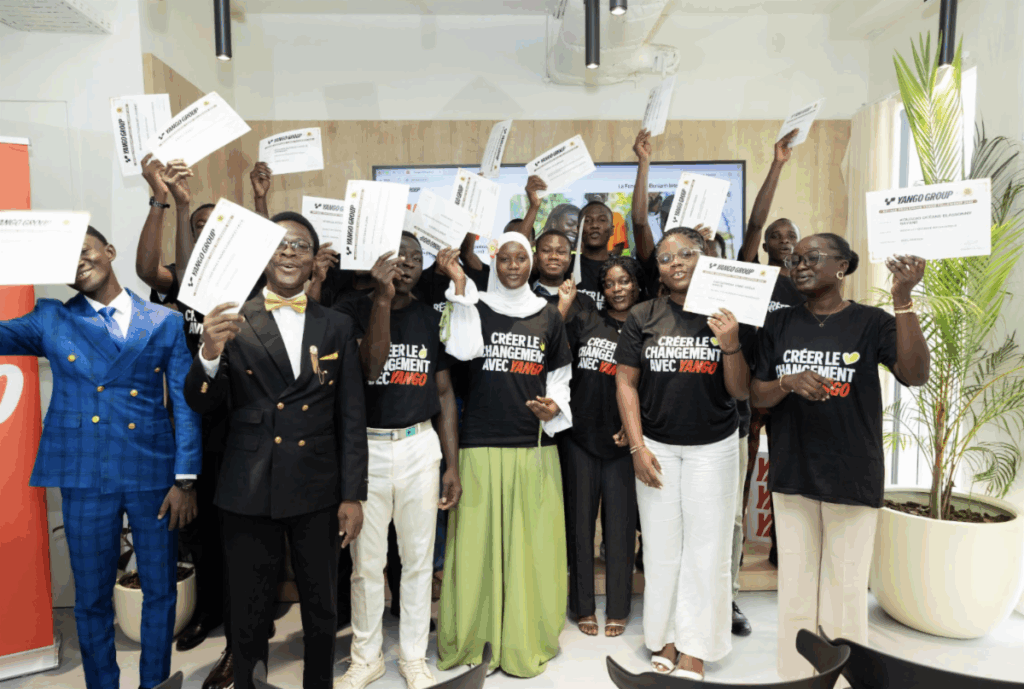
Yango Fellowship launches at 6 African countries, empowering the next generation of STEM leaders

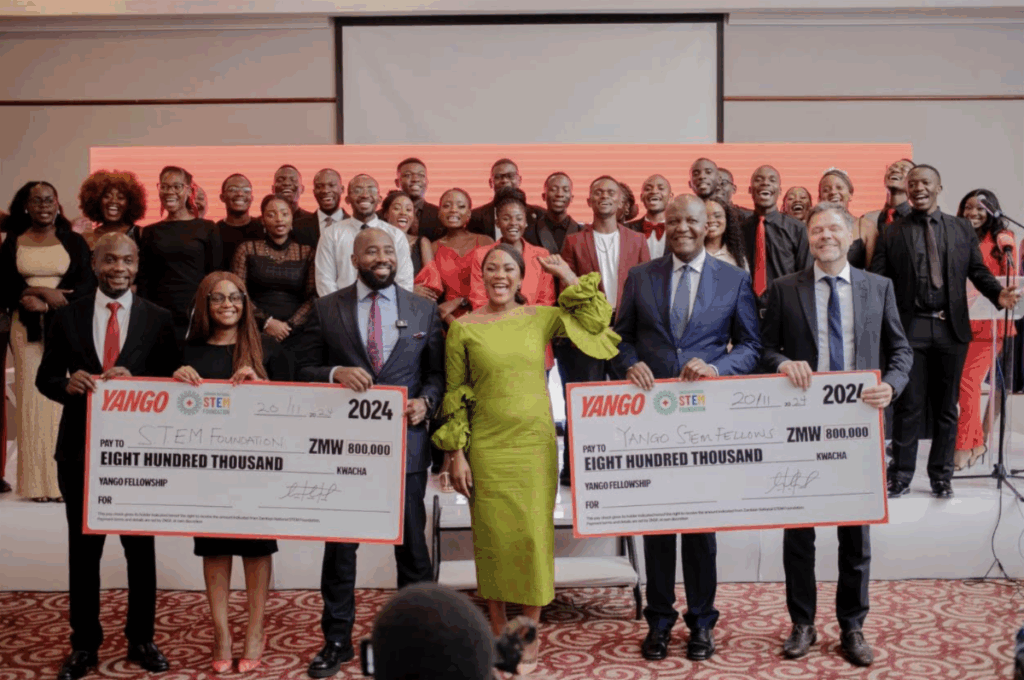
ABIDJAN, Côte d’Ivoire, 17 December 2025-/African Media Agency (AMA)/-Yango Group, a global tech company, has announced the next chapter of its Yango Fellowship; a program designed to unlock the potential of STEM talent across Africa. By providing mentorship, resources, and networks, the Fellowship helps participants turn ideas into solutions that benefit their communities. After successfully launching in Zambia and Ivory Coast, Yango is bringing the program to four more countries – Mozambique, Ethiopia, Ghana, and Senegal.

The expanded Yango Fellowship will provide financial support, expert guidance, and access to a cross-country community of Fellows working on impactful solutions for their communities. As the last years students of the programme landed prestigious internships that will help them achieve significant results in their future careers, in 2026 Yango is moving beyond country levels and builds to create a network of STEM professionals that will function after the conclusion of the year’s programme, defying borders and uniting aspiring young people from different African regions.

Across Africa, the demand for skilled scientists, engineers, and technologists far exceeds the number of graduates entering these fields. The World Bank estimates a shortage of more than 2.5 million STEM professionals needed to support sustainable economic growth across sub-saharan Africa. At the same time, Africa’s rapidly growing youth population faces a persistent skills gap: only 10–15% of young people have access to quality digital or technical training, and fewer than 5% gain experience in fields such as programming, data analysis, or cybersecurity.

With 10–12 million young people entering the labor market each year and only about 3 million formal jobs created annually, the need for practical STEM education, mentorship, and career pathways is urgent. By expanding the fellowship to new regions, Yango aims to help build a diverse, capable, and future-ready STEM workforce, empowering students to develop solutions for challenges faced by their communities. The program encourages collaboration, creativity, and leadership, while building a supportive alumni network that spans the continent.

Adeniyi Adebayo‏ – ‏Chief Business Officer at Yango Group, said: “Africa has an extraordinary pool of talent, who bring creativity, and problem-solving energy. The Yango Fellowship is a hands-on program designed to support these talents, connecting young innovators with the mentorship, resources, and knowledge they need to develop solutions that benefit their communities. This year, the program will be held at our African hub in Abidjan, and with its expansion to six countries, we can share expertise, learn together, and harness technology to make a real impact across the continent.”

The Fellowship has already delivered meaningful impact: past Fellows have launched community projects and became role models in their countries. Yango’s local hubs play a key role in mentoring Fellows, ensuring the program strengthens both talent and local ecosystems.

Beyond the Fellowship, Yango is driving digital innovation by partnering with universities and educational organizations across its markets, sharing expertise with young data scientists and IT students. Through programs like Urban Mobility Hackathons, participants tackle real-world traffic prediction challenges, gaining skills they can apply to improve their cities and communities. All of Yango’s youth initiatives are designed to empower participants with practical knowledge while creating tangible benefits for their local communities and countries.

Applications are now open to university STEM students aged 18–25 in all six countries. Interested candidates can apply until January 26, 2026, at yangofellowship.com.

Watch here testimonial videos of first cohort of Zambian STEM fellows.

Distributed by African Media Agency (AMA) on behalf of Yango

The post Yango Fellowship launches at 6 African countries, empowering the next generation of STEM leaders appeared first on African Media Agency.
2030 Water, Sanitation and Climate resilience goals: 5 critical things African Ministers can do now

NAIROBI, Kenya, 10 December 2025-/African Media Agency(AMA)/-There is a $130 billion annual investment gap hindering the world’s mission to achieve universal access to climate-resilient water and sanitation services by the year 2030, Sanitation and Water for All (SWA) reports. In Africa, the gap is estimated at no less than an additional $30 billion annually.

In October 2025, nearly 50 ministerial level delegates worldwide gathered in Madrid at the 2025 Sector Ministers’ Meeting to discuss ways to better integrate water, sanitation, and climate action goals at a governmental level.

For participating African delegates, this was an opportunity to include African perspectives on the global stage ahead of COP30 and the UN 2026 Water Conference. It was also essential to help establish the globe’s five-pillar guidelines.

5 critical Water, Sanitation, Hygiene and Climate statistics in Africa calling for critical measures

As outlined in the ensuing “High-Level Leaders Compact – the Madrid Commitment to Action” by SWA, these five priorities from an African perspective are as follows:

Political and Institutional Integration

Priority #1: Embed water, sanitation, hygiene, and climate priorities into national adaptation plans, climate commitments, and development strategies.

In 2018, 71% of African countries were in the medium-low to very low categories of Integrated Water Resource Management (IWRM) implementation, according to a report by UNEP. Fast forward to 2024 and UNEP’s “Progress on implementation of Integrated Water Resources Management” report revealed that none of the African sub-regions are on track to achieve the aspirational global SDG 6.5 target of ‘Very High’ (91-100%) IWRM implementation by 2030.

There lies a critical gap in governance due to these stagnations that isolated sector projects cannot fix. It’s time for nations to move beyond fragmented management and operationalize political and institutional integration.

Ministers must work to embed water, sanitation, and hygiene mandates directly into central national adaptation plans and broader development strategies. Governments have the power to secure the political leverage and institutional coherence required to turn these IWRM metrics around, to accelerate progress and reach the SDG targets.

Inclusive, Rights-Based Services

Priority #2: Use data to identify and reach the most vulnerable populations, children, women, Indigenous peoples, persons with disabilities, and displaced communities, while promoting transparency and community participation. 

Despite progress recorded in Sub-Saharan Africa since the 1990s, the latest Joint Monitoring Report from UNICEF and the World Health Organization estimates that 1 in 4 people still lack safely managed drinking water and 2 out of 5 people lack safely managed sanitation.

As women, girls, and children remain the most vulnerable, these stats are concerning for Africa.

The failure to achieve universal access is a clear indication that broad, generalized interventions are not sufficient. To close this gap and prioritize those suffering most, governments must immediately implement inclusive and rights-based services.
 

The only way to move beyond these alarming statistics is to use high-quality, disaggregated data to accurately identify, locate, and track the concerned underserved communities and groups of people. This should ensure that future WASH investments are precisely targeted, transparent, and driven by the needs of the most vulnerable.

Resilient Systems and Risk Management

Priority #3: Incorporate climate and environmental risk assessments into planning, and promote nature-based solutions and ecosystem restoration.

A September 2025 publication by the Sudanese American Physicians Association (SAPA) underlined the direct link between climate change, water scarcity, and displacement on the continent.

The study asserts that 2 million people in East Africa have been displaced due to drought and conflicts, with migration into urban areas straining cities like Nairobi.

In 2024, Earth.org warned that climate change could displace up to 700 million people in Africa by 2030 due to increasing water scarcity and related shocks. With the figure currently standing at 400 million, the High-Level Leaders Compact priority for resilient systems and risk management is legitimately high on the agenda.

To build true resilience against these shocks, leaders must move beyond reactive measures and proactively incorporate climate and environmental risk assessments into all levels of urban planning. Investing in nature-based solutions and ecosystem restoration is essential to stabilizing these vulnerable regions.

The approach is straightforward: Address the root environmental degradation driving these migration crises.

Sustainable and Innovative Financing

Priority #4: Mobilize domestic and international resources through green and blue bonds, results-based financing, and public-private partnerships.

According to the World Bank, public-private partnerships account for only 3 percent of total water sector investment in Africa, with state-owned enterprises and public entities providing the remaining 97 percent of investment. This is far below private participation in other infrastructure sectors, underscoring the need for stronger mechanisms to attract and sustain investment in water.

Unlocking greater resources will require improving incentives for investors, strengthening project pipelines, and deploying targeted de-risking instruments that reduce uncertainty while safeguarding public value. Ensuring coherence with the High-Level Leaders Compact on Water Security and Resilience will further help align public and private action.

With these conditions in place, tools such as green and blue bonds, results-based financing, and well-structured public-private partnerships can more effectively expand financing for water security and sanitation systems.

Political Leadership and Accountability

Priority #5: Ensure that water and sanitation remain at the top of global and national policy agendas, including through mutual accountability frameworks such as those facilitated by Sanitation and Water for All (SWA).

Sub-Saharan Africa loses an estimated 5% of its annual GDP due to poor sanitation, lack of water or its contamination. Highlighting the seriousness of the matter and the responsibility of ministers, a preamble statement from the High-Level Leaders Compact on Water Security & Resilience declares:

“We acknowledge that fragmented policies, weak coordination, and insufficient and inefficient financing continue to challenge progress. Addressing these barriers requires strengthened political leadership, inclusive whole-of-government collaboration, inclusive governance, and more predictable and efficient investments that meet the needs of all people, particularly the most vulnerable.”

In the aftermath of the Madrid Commitment on Water Security, Sanitation & Climate Resilience

As the rest of the world, African ministers have pledged to “collaborate with Sanitation and Water for All partnership to track progress through systematic monitoring, aligned with national systems and global frameworks like SDG 6 indicators, broad multi-stakeholder collaboration, and continual adaptive learning.”

The compact produced at the 2025 Sector Ministers’ Meeting has been endorsed by 29 states, more than half of which are African.

Indeed, Burundi, Eswatini, Ethiopia, Kenya, Liberia, Malawi, Mali, Niger, Nigeria, Sierra Leone, Somalia, South Sudan, Tanzania, Ghana, Uganda and The Gambia joined the African Civil Society Network on Water and Sanitation (ANEW), the Ghana Coalition of NGOs in the Water and Sanitation Sector (CONIWAS), UNICEF and 14 other organizations in endorsing and pushing for the implementation of the five global priorities identified in the High-Level Leaders Compact on Water Security & Resilience.

The door remains open for more governments to join this compact and express their serious intention to achieve sanitation and water security as well as resilience which is needed for healthy populations, economic development, and environmental sustainability

Distributed by African Media Agency (AMA) on behalf of Sanitation and Water for All (SWA)

About Sanitation and Water for All (SWA)

For 15 years, the Sanitation and Water for All (SWA) partnership, hosted by UNICEF, has united governments, civil society, private sector actors, and development partners to advance the human rights to water and sanitation for all. With over 500 partners worldwide, SWA drives political commitment, strengthens institutions, and promotes accountability to achieve lasting results.

For more information on the 2025 Sector Ministers’ Meeting (SMM), visit www.sanitationandwaterforall.org/SMM2025.

The post 2030 Water, Sanitation and Climate resilience goals: 5 critical things African Ministers can do now appeared first on African Media Agency.
Enhancing partnership for health financial hardship protection

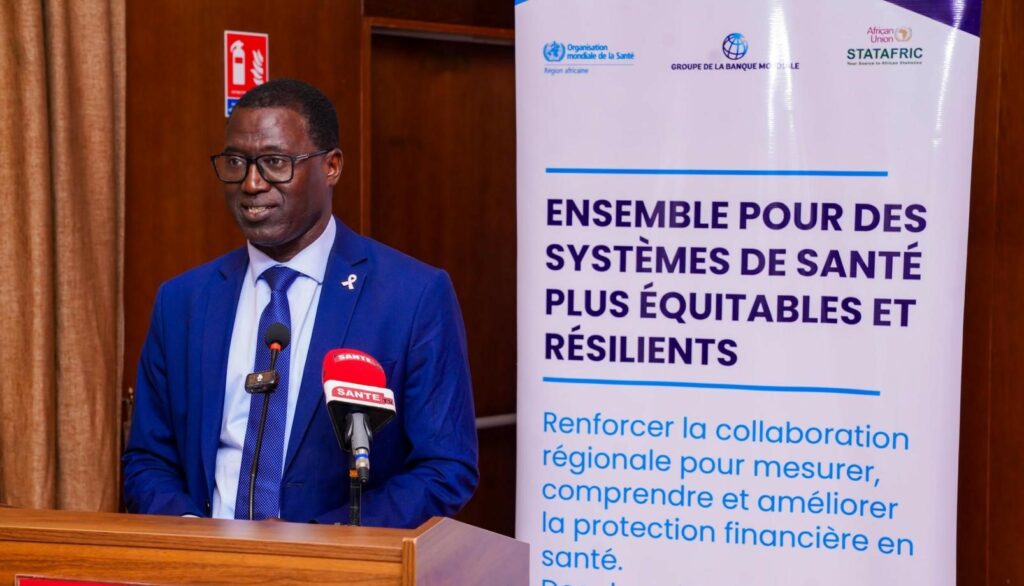
Geneva, Switzerland, 27 November 2025-/African Media Agency(AMA)/-To strengthen health systems and help protect people from economic strain when seeking care, the World Health Organization (WHO) in the African Region and the African Union Institute for Statistics (STATAFRIC) are deepening collaboration to improve how countries measure health spending and monitor financial protection.  

By enhancing health data quality, this partnership is helping governments make informed decisions to ensure resources are used where they matter the most, advancing towards Universal Health Coverage (UHC).

A series of trainings organized by WHO and STATAFRIC are equipping countries with the practical skills to compile and interpret National Health Accounts (NHA) using the System of Health Accounts (SHA 2011) framework. This global standard provides a clear picture of health spending and supports more responsive, people-centred health systems.

To build these skills, a three-day workshop took place in Accra, Ghana, in September 2024. Representatives from 18 Anglophone Member States joined technical experts and international partners to explore how to harmonize health expenditure reporting and improve collaboration between national statistical offices and ministries of health.

Participants discussed global health-spending trends, exchanged country experiences and identified pathways to strengthen institutional coordination, highlighting both shared challenges and opportunities for stronger collaboration to develop harmonized data standards for Africa.

“By speaking a common statistical language, African countries can better understand where and how resources are used and how to channel them to protect their populations,” said Dr José Awong Alene, Head of the Statistical Systems Coordination and Innovation Division at STATAFRIC.

Following the Accra workshop, a second sub-regional training convened in Dakar, Senegal, from 14 to 17 October 2025. Co-organized with the World Bank, the workshop gathered experts from 25 francophone countries to strengthen skills in monitoring financial protection in health, including analysing household survey data to identify when health costs become a barrier to care.

Using STATA, a software that helps analyse large sets of data, the groups reflected on what the numbers reflect about access to care. Real examples and policy discussions underscored how clearer and disaggregated data can help countries understand who is most at risk of financial hardship and use this information to support more equitable health decisions.

“In Africa, millions of families still face financial hardship due to health spending. Reliable, comparable data are essential to guide policies that ensure no one is left behind,” noted Dr Mady Ba, Head of Emergencies at the WHO Office in Senegal.  

In 2026, the collaboration will expand with two additional workshops for francophone and anglophone countries. These sessions aim to help countries translate stronger data into stronger policies, reinforcing the connection between health financing information, policy and action. This initiative aligns with the African Union’s Strategy for the Harmonization of Statistics in Africa (SHaSA 2) and Agenda 2063: The Africa We Want, while supporting progress towards SDG 3.8 on universal health coverage and financial protection.  

“Reliable data are the backbone of effective health systems. Through this collaboration with STATAFRIC, we are empowering countries to produce and use credible evidence that drives smarter investments, strengthens accountability and ultimately improves people’s lives,” emphasized Dr Adelheid Werimo Onyango, Director of the Health Systems and Services Cluster, WHO Regional Office for Africa.

This joint effort equips countries with the tools they need to generate trusted, comparable statistics to inform evidence-based decision-making, increase domestic investment in health and accelerate progress toward Universal Health Coverage. It also reflects the One African Approach to Data, bringing regional and global institutions together to ensure every country has the capacity to measure what truly counts: people’s health and well-being.

Distributed by African Media Agency (AMA) on behalf of World Health Organisation

About STATAFRIC 
The African Union Institute for Statistics (STATAFRIC) leads the coordination and harmonization of statistical systems across the continent. It works closely with regional and international organizations to ensure Africa-wide comparability and quality of data for monitoring the Agenda 2063 and the SDGs. 

The post Enhancing partnership for health financial hardship protection appeared first on African Media Agency.

The Gambia: Laying the Foundations for Stable Growth and Jobs

Washington, USA, 26 November2025-/African Media Agency (AMA)/-The World Bank Group today approved $45 million in grant financing from the International Development Association (IDA) to support the Government of The Gambia’s efforts to enhance domestic revenue mobilization, lay key infrastructure, regulatory and skill foundations for private sector development, and strengthen climate resilience.

“The Gambia is on a good growth trajectory despite the external shocks of recent years, but growth remains fragile due to a combination of structural weaknesses including climate vulnerability. To sustain its growth and improve the living standards of the population, it is essential for The Gambia to pursue and accelerate transformational reforms,” stresses Ephrem Niyongabo, World Bank Economist and Task Team Leader of the project. 

This is the first development policy support operation designed to underpin reforms conducive to inclusive and sustainable growth. The program is based on three pillars. The first pillar seeks to increase government revenue by broadening the tax base and rationalizing tax expenditures. The second pillar seeks to foster private sector-led growth by tackling bottlenecks in key enabling sectors such as energy, telecom and business environment while advancing human capital development, with a focus on expanding opportunities for women and youth. The third pillar aims at strengthening the foundations for The Gambia’s resilience to climate challenges by establishing a robust institutional and legal framework to guide climate action and coastal zone management. 

“This financing will enable The Gambia to carry out reforms to build fiscal space, facilitate the development of key sectors, improve human capital and business environment to enhance participation of the private sector in the economy. The proposed operation provides a critical line to improve access to essential services, enhance women and youth employment opportunities while enhancing environmental sustainability” said Franklin Mutahakana, World Bank Group Resident Representative in The Gambia.

This operation has been designed to meet the authorities’ priorities outlined in the Gambia Recovery-Focused National Development Plan, 2023-2027. The reform program supports the green, resilient, and inclusive development agenda by strengthening the country’s adaptation and resilience to climate change through robust legal and institutional framework for climate governance and climate resilience, ensuring that territorial and sectoral planning integrate climate adaptation and disaster risk management. 

Distributed by African Media Agency (AMA) on behalf of World Bank

The post The Gambia: Laying the Foundations for Stable Growth and Jobs appeared first on African Media Agency.

Mutharika seeks World Bank backing to bolster Malawi’s struggling economy

….Government appeals for urgent support in agriculture, infrastructure, and industry as communities face hunger, fuel shortages, and foreign exchange pressures

LILONGWE-(MaraviPost)-President Professor Arthur Peter Mutharika has called on the World Bank and other international partners to step up support for Malawi’s development, stressing that urgent intervention is needed to address the country’s deepening economic challenges.

At Mtunthama State Lodge in Lilongwe, the President met with Ndiame Diop, Deputy Head of the World Bank for Eastern and Southern Africa, to discuss strategies that could help stabilize the economy and improve livelihoods for millions of Malawians.

“These are challenging times for our nation,” President Mutharika said. “Malawi is grappling with hunger, fuel shortages, insufficient fertilizer supply, and severe foreign exchange constraints that are affecting businesses and households alike. We need immediate assistance to mitigate these hardships.”

Highlighting agriculture as a critical sector, the President called for rapid delivery of farming inputs such as fertilizers and seeds to ensure the next planting season is not compromised.

He noted that rural communities, which depend almost entirely on smallholder farming, are particularly vulnerable to crop failures without this support.

“Without timely access to these inputs, food security is at risk,” he said. “This is not just an economic issue; it is a matter of survival for our farmers and their families.”

President Mutharika also emphasized the importance of support for industrial development, mining, and infrastructure projects.

He pointed to ongoing initiatives like the rehabilitation of key road networks linking agricultural zones to urban markets and the expansion of irrigation schemes in central and southern Malawi as areas where World Bank assistance could have immediate impact.

Ndiame Diop assured the President that the World Bank remains committed to supporting Malawi’s development agenda.

He cited specific projects, including the $150 million Governance to Enable Service Delivery (GESD 2.0) programme, aimed at improving urban infrastructure and public service delivery, and the Malawi Irrigation and Climate Resilient Agriculture project, which targets increased crop yields for smallholder farmers in vulnerable districts.

Local farmers and community leaders welcomed the call for international support. Mary Banda, a smallholder farmer from Dedza, said delays in fertilizer supply have threatened her maize harvest.

“If the World Bank can help deliver fertilizers and support irrigation, it will change our lives. Many of us depend on farming to feed our families and send children to school,” she said.

Economists note that targeted interventions from international partners could help stabilize the national economy while creating employment opportunities. “Support in agriculture, infrastructure, and industry has a multiplier effect — improving food security, boosting local production, and enabling trade,” said economist Dr. Lawrence Phiri.

President Mutharika suggested that some of the planned interventions could be implemented within the next 12 to 18 months, starting with immediate support for fertilizer distribution ahead of the planting season. Infrastructure projects, including road rehabilitation and market development, could roll out over a two-to-three-year period, creating both jobs and long-term growth potential.

The President concluded the meeting with a message of cautious optimism.

“With the support of the World Bank and other development partners, Malawi can overcome current economic hurdles. Together, we can build a resilient, prosperous nation that provides opportunities for every citizen,” he said.

As Malawi navigates these challenging times, the collaboration between government, international partners, and local communities could be a turning point in securing food security, improving livelihoods, and ensuring sustainable economic growth.