

LILONGWE-(MaraviPost)-Malawi’s news cycle this week was shaped by major developments in crime and public safety, the courts, pesticide regulation, politics, the anniversary of the 2025 election and renewed testimony in the inquiry into the Chikangawa plane crash.
The Maravi Post reports that the rescue of British national Nusrat Osman, a major bail ruling involving Chinese national Lin Yunhua and fresh testimony in the Chikangawa plane crash inquiry attracted significant public attention during the week of September 13 to 19, 2026.
- Nusrat Osman rescue brings kidnapping case to national attention
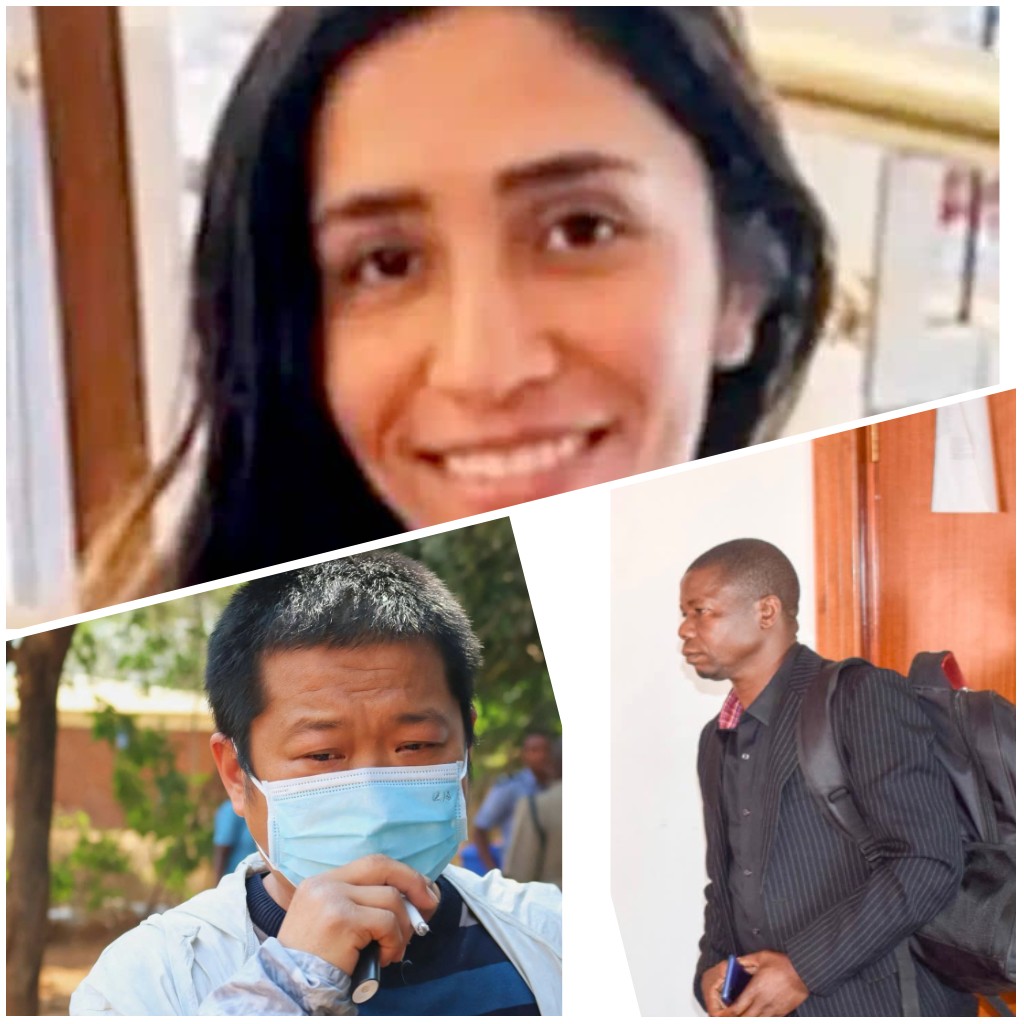
The safe recovery of British national Nusrat Jiwa Osman after six days in captivity was one of the week’s most closely followed stories.
Osman, 47, was reportedly abducted at about 12:30 p.m. on September 11 after dropping her children at school in Mount Pleasant, Blantyre.
The abduction triggered a major police operation and a K30 million reward for information leading to her rescue and the arrest, prosecution and conviction of those responsible.
The rescue operation also brought Deputy Inspector General of Police Noel Mlowoka Kayira into the spotlight after Osman’s brother said the senior police officer was shot during the operation but survived.
Police later reported that four suspected kidnappers were shot during an exchange of fire at Mpemba near Chadzunda in Blantyre.
According to police, the suspects were armed with an AK-47 rifle and a Girsan Regard MC pistol, and all four later died from their injuries.
The identities of the suspects have not been publicly disclosed.
Osman was subsequently admitted to Mwaiwathu Private Hospital for treatment and physical and mental health assessments, while Kayira also received treatment for his injuries.
The rescue ended the immediate uncertainty surrounding Osman’s whereabouts, but important questions remain.
Police have not publicly disclosed the full circumstances of where she was held, how investigators located her or what motivated the abduction.
Investigators are still expected to establish who organised the kidnapping, why Osman was targeted and whether other people were involved.
For readers following the case for the first time, those unanswered questions will determine the next chapter of the investigation.
- Lin Yunhua bail ruling puts judicial reasoning in focus
Chinese national Lin Yunhua also remained at the centre of legal news after High Court Judge Redson Kapindu rejected his proposed bail conditions.
The court described Lin as a convicted wildlife trafficker and money launderer and found that he remained a flight risk.
His lawyers had proposed that he stay at his daughter’s house in Area 49, with property offered as security, together with restrictions including a curfew and police supervision.
The State accepted the proposed conditions, but the court found that they did not sufficiently address the concerns surrounding the possibility of Lin leaving the country.
Judge Kapindu also questioned a proposal for Lin to finance allowances and transport for police officers assigned to supervise him.
The judge’s reasoning focused on the principle that a person’s financial resources should not create a different form of treatment within the justice system.
The ruling means Lin remains in custody while the legal process continues.
For readers unfamiliar with the case, it is important to distinguish the bail ruling from the wider criminal proceedings.
The immediate issue before the court was whether reasonable conditions could adequately address the concerns about his release.
The case has also drawn attention because current Director of Public Prosecutions Fostino Maele previously represented Lin before being appointed to the DPP position in December 2025.
- Aluminium Phosphide licence review raises public-safety concerns
The Pesticides Control Board’s decision to review Aluminium Phosphide licences added another important public-safety story to the week’s news agenda.
The review follows concerns over the misuse of the highly hazardous pesticide.
For ordinary readers, the issue goes beyond the chemical itself.
It raises questions about who is permitted to possess and use Aluminium Phosphide, how licences are issued and monitored, and whether existing safeguards are sufficient to prevent misuse.
The PCB’s review therefore places attention on enforcement as well as regulation.
The outcome could determine whether additional controls, licensing requirements or monitoring measures are introduced.
For readers encountering the story for the first time, the key issue is whether Malawi’s existing regulatory system is adequately protecting the public while allowing legitimate agricultural and commercial use of the chemical.
- One year after the 2025 election, Malawi assesses the change
September 16 marked one year since Malawians went to the polls in the 2025 General Election.
The election saw voters choose the President, 229 members of Parliament and 509 local government councillors.
Seventeen presidential candidates contested the election, with Arthur Peter Mutharika of the Democratic Progressive Party winning 56.8 percent of the valid presidential vote against Lazarus Chakwera’s 33 percent.
The election was held against a difficult economic background characterised by fuel shortages, foreign-exchange constraints, high inflation and food insecurity.
The parliamentary outcome also changed the political landscape.
By the end of September 2025, the DPP had secured 77 seats among the constituencies declared, while independents had 71 and the Malawi Congress Party 53 among 224 declared constituencies.
One year later, the anniversary provides an opportunity to examine what has changed since voters made their decision.
The question is not limited to who occupies State House.
It also concerns economic conditions, public services, Parliament, opposition politics, institutional relations and the extent to which campaign commitments have translated into government action.
For new readers, this context is important because the anniversary is not simply a date on the political calendar.
It is also a point at which the country’s political and economic direction can be examined against the expectations created during the 2025 campaign.
- Fresh testimony renews attention on Chikangawa plane crash
The inquiry into the June 10, 2024 Chikangawa plane crash returned to the national spotlight following testimony from witness Ephraim Duma.
The crash killed former Vice President Saulos Chilima and eight other people.
Duma told the Parliamentary Ad-hoc Committee that he was near the area and claimed he saw events surrounding the aircraft before and after the crash.
He alleged that soldiers opened fire when community members approached the wreckage and further claimed that he was shot three times while running from the scene.
Duma also told the committee that he saw Chilima near the aircraft door before the crash and believed he saw people pulling him back inside.
The testimony has generated public interest because it raises questions about what happened at the crash site before official responders arrived.
However, the claims remain testimony presented to an inquiry and should not be treated as established facts until they are tested against other evidence.
The committee’s task is therefore to examine Duma’s account alongside other witness statements, technical evidence and information from previous investigations.
Justice Minister Charles Mhango has also called for further examination of reports of gunfire, the presence of unidentified people at the crash site and information involving the Malawi Defence Force.
The central question is whether the renewed inquiry can provide a clear, evidence-based account of what happened before, during and immediately after the crash.
- Parliament and opposition leadership remain under scrutiny
Relations between Parliament and the Executive also remained part of the week’s political conversation.
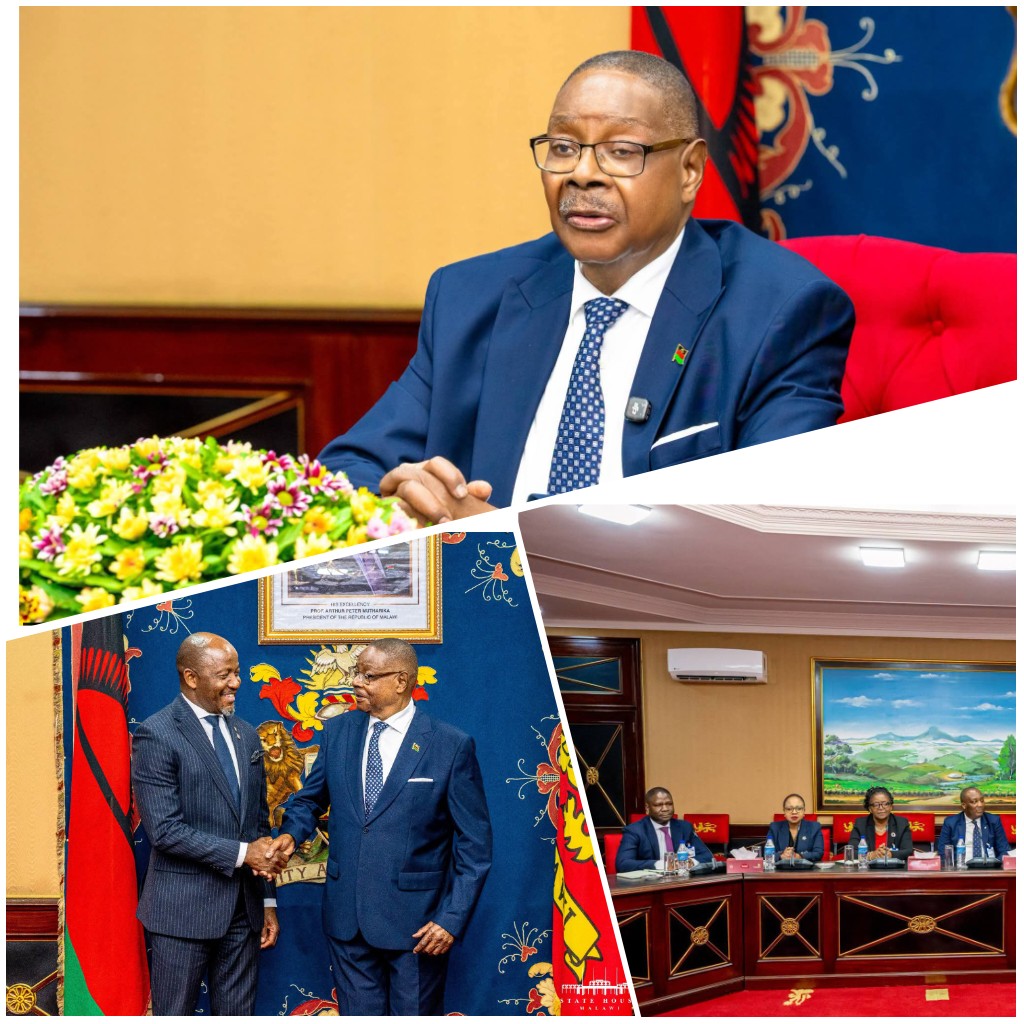
President Arthur Peter Mutharika and Speaker of Parliament Sammer Suleman met at Kamuzu Palace on September 12 following tensions that had emerged over parliamentary matters.
The meeting was confirmed by Presidential Secretary Cathy Maulidi, although details of the discussions were not publicly released.
The Human Rights Consultative Committee welcomed the engagement and called for cordial relations between the country’s governing institutions.
For new readers, the importance of the issue lies in the constitutional roles of the two arms of government.
Parliament exercises legislative and oversight functions, while the Executive is responsible for implementing government policy and administering the affairs of the State.
The way disagreements between the institutions are managed therefore matters beyond individual political personalities.
The week also kept opposition politics in focus, with Simplex Chithyola Banda serving as Leader of Opposition in Parliament.
His position gives the opposition a formal role in parliamentary debate and scrutiny of government.
The wider question is how the governing party, opposition and Parliament will exercise their respective constitutional responsibilities during the current parliamentary term.
Looking beyond the headlines
The week’s six major stories reveal a Malawi dealing simultaneously with security concerns, legal proceedings, public-safety regulation and important political questions.
The Nusrat Osman case has brought renewed attention to kidnapping and police operations.
The Lin Yunhua ruling has placed judicial reasoning and equal treatment before the law in the spotlight.
The Aluminium Phosphide review has raised questions about regulatory enforcement.
The election anniversary has prompted reflection on the first year since the 2025 vote.
The Chikangawa inquiry has reopened questions surrounding one of Malawi’s most significant recent tragedies.
And Parliament’s relationship with the Executive remains an important test of institutional checks and balances.
For readers coming to these developments for the first time, several stories remain unfinished.
The investigation into Osman’s abduction continues, the court process involving Lin Yunhua remains active, the pesticide licence review is developing and the Chikangawa inquiry has yet to reach its final conclusions.
Meanwhile, the political and economic questions raised one year after the 2025 election will continue to shape public debate.
Taken together, these developments provide a concise picture of the issues that commanded national attention during the week ending September 19, 2026.

Leave a Reply