Tag Archives: Sustainable Development

With Millions of Children’s Lives on the Line, Bill Gates Says Humanity Is at a Crossroads

At 2025 Goalkeepers event, Gates lays out roadmap for saving millions more children’s lives by 2045 if governments stretch every dollar and scale a pipeline of affordable, lifesaving innovations

Announces new pledge to the Global Fund 2026-2028 replenishment to prevent deaths from AIDS, TB, and malaria

Honors President of the Government of Spain with 2025 Global Goalkeeper Award and 10 champions for their ingenuity and resilience, and for offering hope, solutions in the face of steep funding cuts

NEW YORK, United States of America, September 23rd, 2025 -/African Media Agency (AMA)/- At its 2025 Goalkeepers event, Gates Foundation Chair Bill Gates stood before an audience of more than 1,000 global government, community, philanthropy, and private-sector leaders and issued a stark but hopeful call to world leaders: save millions of children’s lives and make some of the deadliest diseases history by 2045.

“Humanity is at a crossroads. With millions of children’s lives on the line, global leaders have a once-in-a-generation chance to do something extraordinary,” said Gates. “The choices they make now—whether to go forward with proposed steep cuts to health aid or to give the world’s children the chance they deserve to live a healthy life—will determine what kind of future we leave the next generation.”

This year, donor countries dealing with domestic challenges, high debt levels, and aging populations made dramatic funding cuts to global development assistance for health (DAH). According to a recent study by the Institute for Health Metrics and Evaluation (IHME), global DAH fell by 21% between 2024 and 2025, and is now at a 15-year low. With key global health funding decisions expected before the end of the year, total funding levels could rise. However, if the current cuts hold, they threaten decades of progress that saw child mortality cut in half since 2000—from 10 million children to less than 5 million children a year—one of humanity’s greatest achievements.

During the annual event, which this year focused on reigniting a shared commitment to saving children’s lives, Gates announced his foundation’s pledge of $912 million over three years to the Global Fund to Fight AIDS, Tuberculosis and Malaria’s 2026-2028 replenishment. The Global Fund is one of the most effective lifesaving initiatives of the 21st century. Its fundraising replenishment cycle ends this November, underscoring the urgency for governments to make pivotal decisions in the coming weeks and months for the lives of millions of people.

“What’s happening to the health of the world’s children is worse than most people realize, but our long-term prospects are better than most people can imagine,” said Gates. “I don’t expect most governments to suddenly restore foreign aid to historic levels, but I am an optimist, and I believe governments can and will do what’s needed to save as many children as possible,” said Gates.

With shrinking global health budgets as the backdrop, the Goalkeepers event highlighted the people, science and innovations, and policies that are accelerating solutions for how leaders can do more with less.

A Roadmap to a Healthier Future

“We have a roadmap for saving millions of children and making some of the deadliest childhood diseases history by 2045,” Gates asserted. “I’m urging world leaders to invest in the health of all people, especially children, to deliver this future.”

Results from work by the Gates Foundation and the IHME indicate that sustaining global investments in child health and scaling lifesaving innovations could cut child deaths in half again over the next 20 years.

The roadmap includes:

  • Renewing investments in proven initiatives, such as the Global Fund and Gavi, the Vaccine Alliance, to help countries make smarter, more cost-effective health decisions; gain access to proven vaccines, medicines, and treatments; and focus on sustainability and transitioning to self-reliance
  • Prioritizing primary health care systems—even in the face of challenging budget decisions—to prevent, detect, and treat childhood illnesses early
  • Investing in further R&D and effectively rolling out breakthrough innovations that include:
  • A suite of new approaches to combating malaria, including innovations that prevent mosquitoes from carrying parasites and single-dose treatments to accelerate eradication of the disease
  • Long-acting HIV drugs and prevention options that replace daily pills to drive AIDS deaths down to single digits
  • New maternal vaccines against respiratory syncytial virus (RSV) and group B streptococcus (GBS) that have the potential to protect babies from deadly respiratory illnesses
  • Artificial intelligence to leverage smarter, faster, and cheaper delivery of safe, cost-effective medicines to dramatically improve lives

A New Three-Year Commitment to the Global Fund

Since 2002, the Global Fund has saved more than 70 million lives; reduced deaths from AIDS, TB, and malaria by more than 60%; and strengthened global health security. Each dollar invested in the Global Fund delivers an estimated $19 in health and economic returns.

The foundation’s new pledge brings its total commitments to the Global Fund to $4.9 billion since 2002, making it one of the foundation’s largest investments. The pledge aims to galvanize governments, philanthropists, and the private sector to come to the table with significant investments for the fund’s Eighth Replenishment, which is co-hosted by South Africa and the United Kingdom. With millions of lives on the line, the level of investment in the Global Fund over the next three years will determine whether the world saves millions of lives; curbs HIV, TB, and malaria; and bolsters economies and global health security.

“An entire generation is alive today thanks to the world’s generosity, smart investments, and the hard work of governments and Global Fund partners,” Gates said. “Now, we must go further so the next generation grows up in a world where no child dies from preventable causes.”

Celebrating Goalkeeper Award and Champions

In recognition of his continued commitment to advance the Global Goals, the foundation announced President of the Government of Spain Pedro Sánchez as the winner of its 2025 Global Goalkeeper Award. Under Prime Minister Sanchez’s leadership, Spain increased contributions to the Global Fund this year by nearly 12% and to Gavi by 30%, expanded official development assistance (ODA), and hosted the landmark International Conference on Financing for Development in June 2025.

The event also honored Goalkeepers Champions—experts, innovators, and advocates driving progress in child survival worldwide. They include:

  • Dr. Abhay Bang and Dr. Rani Bang (India) – Pioneering community-based health care in India
  • David Beckham (UK) – Advocating for child health and education
  • Krystal Mwesiga Birungi (Uganda) – Championing youth-centered policies and equitable health access across Africa
  • Toni Garrn (Germany) – Mobilizing resources to expand education and health care for girls
  • John Green (USA) – Using storytelling and advocacy to spark vital conversations on tuberculosis and mental health among young people
  • Osas Ighodaro (Nigeria) – Driving awareness and action in the fight against malaria
  • Dr. Donald Kaberuka (Rwanda) – Advancing global health financing for effective health system strengthening and expanding access to health care worldwide
  • Jerop Limo (Kenya) – Advancing HIV awareness and care for children and families across Africa
  • Reem Al-Hashimy (United Arab Emirates) – Championing investments in health and education through initiatives like Dubai Cares
  • Dr. Naveen Thacker (India) – Advancing child health through community-based innovations

“We Can’t Stop at Almost”

The Goalkeepers event was co-hosted by singer, songwriter, and composer Jon Batiste, who returned as musical curator for the second year with the PS22 elementary school choir, and actress and director Olivia Wilde. Together, they urged the audience to remember that while the world has made progress, “we can’t stop at almost,” which was the event’s theme.

Community champions, scientists, health workers, faith leaders, and activists from Bangladesh, Indonesia, Kenya, Madagascar, Nigeria, Senegal, South Africa, Uganda, and the United States shared powerful stories of resilience and innovation. Several showcased breakthrough technologies already saving lives and moving the world closer to eradicating deadly diseases.

“Every year, Goalkeepers unites changemakers to inspire and push one another forward,” said Dawda Jobarteh, deputy director of the foundation’s Goalkeepers campaign. “Together, we can reimagine a future without preventable child deaths and unlock the next wave of breakthroughs for the world’s children.”

Event session presenters included Rick Warren, pastor and author; El Hadji Mansour Sy, co- president of World Council of Religions for Peace; Ingrid Silva, ballet dancer and activist; Krista Tippett, journalist and author; Latif Nasser, co-host of “Radiolab”; and Budi Gunadi Sadikin, Indonesia’s minister of health.

Looking Ahead

Later this year, Goalkeepers will expand to the Middle East for the first time, convening leaders, innovators, and changemakers from across the region and beyond in Abu Dhabi on December 8.

Ahead of that, the foundation will release its 2025 Goalkeepers Report, focusing on the impact that leaders’ choices between now and the end of the year will have on saving children’s lives.

Earlier this year, Gates made a historic announcement that he would give away virtually all of his wealth to the foundation to advance progress on saving and improving lives. He also announced the foundation would spend $200 billion over the next 20 years, working with its partners to make as much progress as possible towards three primary goals: end preventable deaths of moms and babies; ensure the next generation grows up without having to suffer from deadly infectious diseases; and lift millions of people out of poverty, putting them on a path to prosperity. At the end of the 20-year period, the foundation will sunset its operations.

Photos and b-roll from the event, full bios of the Goalkeepers champions, and more can be found here.

Distributed by African Media Agency (AMA) on behalf of the Gates Foundation.

About the Gates Foundation

Guided by the belief that every life has equal value, the Gates Foundation works to help all people lead healthy, productive lives. In developing countries, we work with partners to create impactful solutions so that people can take charge of their futures and achieve their full potential. In the United States, we aim to ensure that everyone—especially those with the fewest resources—has access to the opportunities needed to succeed in school and life. Based in Seattle, Washington, the foundation is led by CEO Mark Suzman, under the direction of Bill Gates and our governing board.

About Goalkeepers

Goalkeepers is the foundation’s campaign to accelerate progress toward the Sustainable Development Goals (Global Goals). By sharing stories and data behind the Global Goals through an annual report, the Gates Foundation hopes to inspire a new generation of leaders— Goalkeepers who raise awareness of progress, hold their leaders accountable, and drive action to achieve the Global Goals.

Media Contact:

Press Office

Gates Foundation

media@gatesfoundation.org

The post With Millions of Children’s Lives on the Line, Bill Gates Says Humanity Is at a Crossroads appeared first on African Media Agency.
UN, AU and EU leaders pledge joint push for peace and development in Africa

The United Nations, African Union (AU) and European Union (EU) have reaffirmed their commitment to peace and sustainable development in Africa, pledging deeper cooperation to end conflicts, support stability and tackle global challenges from debt to climate change.

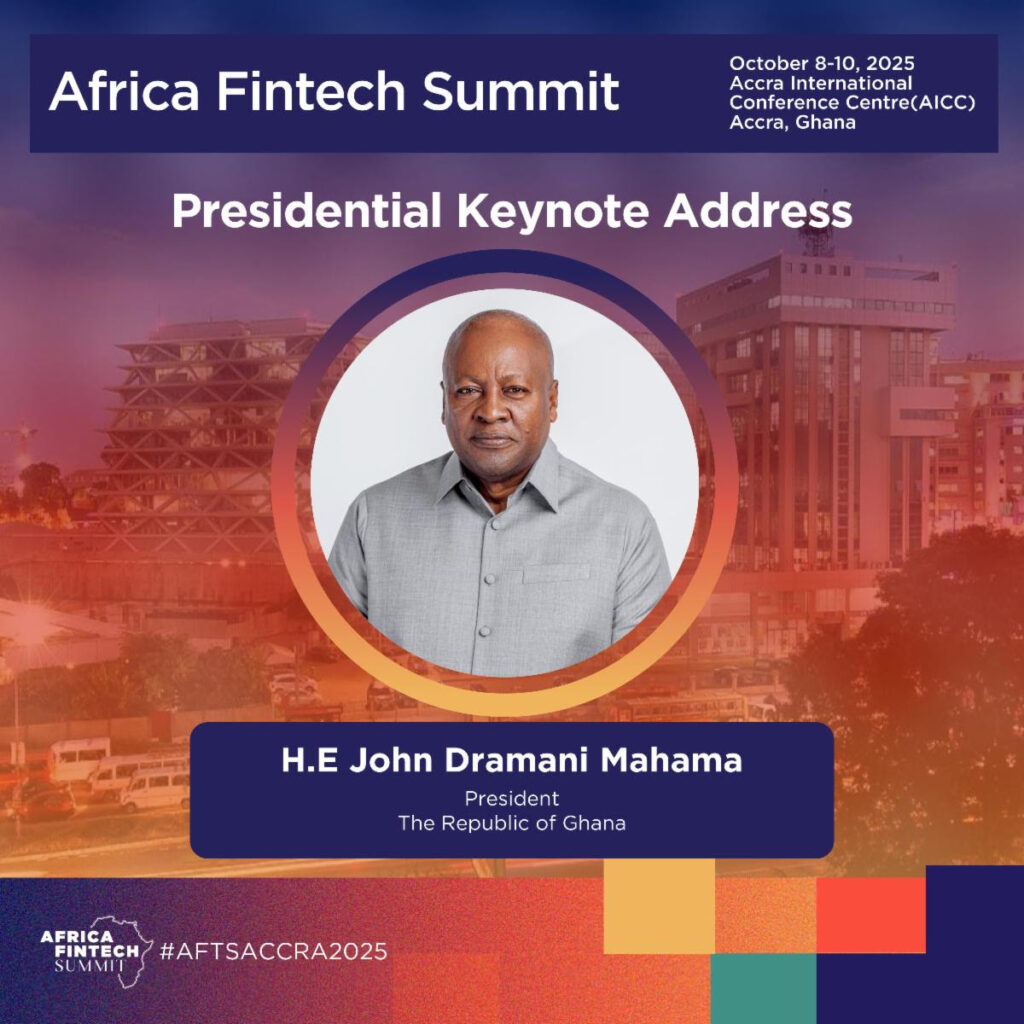
His Excellency John Dramani Mahama, President of the Republic of Ghana to Give Presidential Keynote Address at 14th Africa Fintech Summit in Accra

ACCRA, Ghana, 16 September 2025/African Media Agency/- The Africa Fintech Summit (AFTS) is honored to announce and welcome His Excellency President John Dramani Mahama as Presidential Keynote Speaker for the 14th edition of the summit, taking place at the Accra International Convention Centre (AICC) in Accra from October 8–10, 2025. His Excellency’s presidential keynote address will take place on the 09th of October 2025.

H.E. President John Dramani Mahama was sworn into the President’s Office on the 7th of January 2025. H.E. was also the fourth President of the Fourth Republic of Ghana, having previously occupied the high office of President between January 7, 2013, and January 6, 2017. A strong proponent of intra-African trade, H.E. President Mahama had a decorated pan-African roles including being the former Chairperson of the Economic Community of West Africa States (ECOWAS) Commission., the former Chairperson of the African Union’s High-Level African Trade Committee, and the first Co-chair of the United Nations Advocacy Group on the Sustainable Development Goals, the current Chair of the TANA Forum, a high-level forum on security in Africa headquartered in Ethiopia. The president also played an instrumental role in laying the foundation for the African Continental Free Trade Area (AfCFTA), whose secretariat is now based in Ghana.

The Ghanaian government has shown tremendous support for the upcoming summit, including issuing an official endorsement by the Office of the President. “It is with great pleasure that the Government of Ghana formally confirms its endorsement of the 14th Africa Fintech Summit, scheduled to take place in Accra from 8 to 10 October, 2025. As a nation committed to fostering digital innovation and economic growth, we are proud to play host to this pivotal event. We eagerly anticipate a highly productive and impactful Summit that will foster meaningful collaborations, showcase cutting-edge advancements, and drive the future of Fintech across Africa,” a part of the statement issued by Julius Debrah, Chief of Staff, Office of the President, Republic of Ghana, reads.

Speaking about the president’s endorsement and upcoming keynote address at the summit, Zekarias Amsalu, Co-Founder & Managing Director of Africa Fintech Summit, said, “We are honored to welcome His Excellency President Mahama as our Presidential keynote speaker for the 14th Africa Fintech Summit in Accra, Ghana on 09 October 2025. His Excellency’s participation and presidential keynote comes at such a pivotal time where Ghana is transforming its 24 hours digital economy with several presidential initiatives, showcasing Ghana is ready for the digital future and is open to welcome global fintech & investment partners. The keynote address will provide an excellent opportunity for the Fintech ecosystem to align its strategy and growth trajectory right with and find ways to support the digital transformation of Ghana.”

Now in its 14th edition, the Africa Fintech Summit will bring together over 1,500 in-person and 3,000 virtual attendees from 65 countries, including startups, investors, regulators, and innovators. Programming includes:

  • Keynotes, Fire-side Chats, Masterclasses, Workshops, Panels, Closed Door Roundtables, Bilateral Meetings
  • Alpha Expo Micro Accelerator & Pitch Competition for Early-Stage Startups
  • Networking Receptions, Excellence in Fintech Award Ceremony, Happy Hour, VIP Dinners & Ecosystem Tours in & around Accra
  • Curated Conference Tourism Travel

Since its launch in 2018, AFTS has helped facilitate over $300 million in funding for African early stage fintech startups and contributes an estimated $3 million per event in conference tourism impact to host economies every year. 

Register Now

Tickets for in-person and virtual participation are available at: https://africafintechsummit.com/event/afts-accra-2025

Confirmed Sponsors of the summit so far include VISABinanceChevronAnalytix EngineShrinQ GhanaAfrica Finance CorporationConduitMDPFlutterwaveSecondSTAXKC ComplianceMukuruPaystackFIDOFincra, and counting.

Confirmed Strategic, Knowledge & Media Partners include Ghana’s Ministry of Foreign AffairsGhana’s Ministry of CommunicationDigital Technology and InnovationsGhana Investment Promotion CentreSME Finance ForumManaged by the IFC (International Finance Corporation)Institutional Investor NetworkAfrican Media Agency (AMA)BlacvoltaCorporate Council on AfricaBriterHalcyonGhana Fintech and Payments AssociationGhana FinTech AwardsAfropolitan Cities & F3 Global Advisory Group

Confirmed Exhibitors include HIZOYellowcard, Clapay SASMagmasendKoinkoin, and counting.

Distributed by African Media Agency in partnership with Africa Fintech Summit

About Africa Fintech Summit 

AFTS (https://africafintechsummit.com) is the premier global initiative dedicated to the African fintech ecosystem. AFTS is traditionally hosted in Washington, D.C., each April during the World Bank/IFC annual meeting week and in a different African city every October/November. The summit is being held in a hybrid format, in person in the selected Venue and live virtual delegates from around the world. 

So far AFTS has brought its summits to Washington DC (2025)Nairobi, Kenya(2024), Washington DC(2024), Lusaka, Zambia ( 2023)Washington DC & Prosper T4TA Launch(April 2023)Cape Town, South Africa( 2022), Washington DC (2022)Cairo, Egypt (2021)Virtual(2020), Addis Abeba, Ethiopia(2019), Lagos, Nigeria (2018). The 2025 Summit is scheduled for Accra, Ghana on 8-10 October 2025.

2025 Theme – From Africa to The World 

AFTS had a theme of the Africanization of Global Tech in 2023 showcasing how African Fintech startups are expanding globally and resolving global pain points in other markets, followed by a theme of ‘Fintech in Every Industry” in 2024. Recognizing that the globe is now closely intertwined and African fintech startups are expanding in and bringing their ‘battle-tested’ innovation to other continents, the theme for 2025 is From Africa to The World. In this respect, AFTS will highlight African Fintech success stories and innovations within and outside of the continent including global expansion and what this meant for global stakeholders, regulators, policy makers, investors and the African fintech ecosystem.

Media contact:

Africa Fintech Summit

Charles Isidi

Head of Marketing and Communications,

charles@africafintechsummit.com

Press Office : Africa Fintech Summit

Email: press@africafintechsummit.com

Website: www.africafintechsummit.com

Press & Government Relation Desk

The Presidency Republic Of Ghana

Email: office@presidency.gov.gh

Website: https://presidency.gov.gh

Social Media: #AFTSACCRA25 | @AfriFintech | @GhanaPresidency

The post His Excellency John Dramani Mahama, President of the Republic of Ghana to Give Presidential Keynote Address at 14th Africa Fintech Summit in Accra appeared first on African Media Agency.
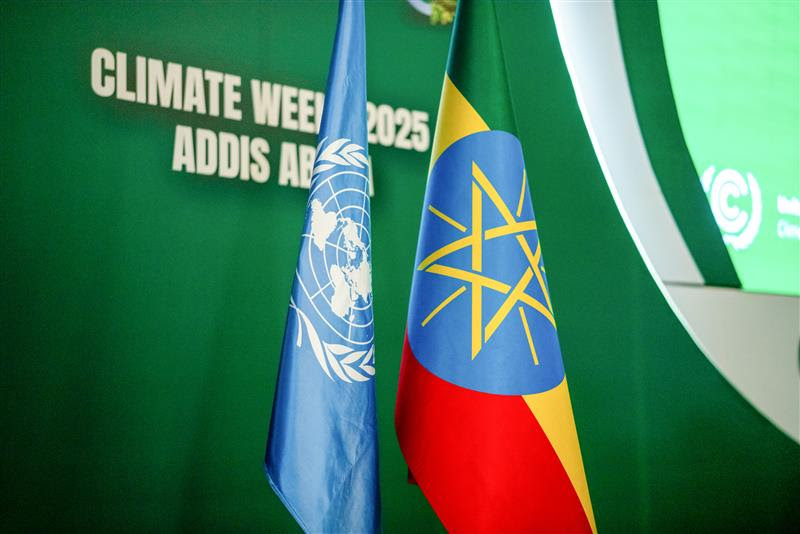
UN and Ethiopia urge Africa Climate Summit to send a clear message: COP30 must deliver for African nations

Climate Week in Addis Ababa shows: “Africa is a colossal coiled spring of climate action possibility”

UNFCCC/Ramzy Youssef

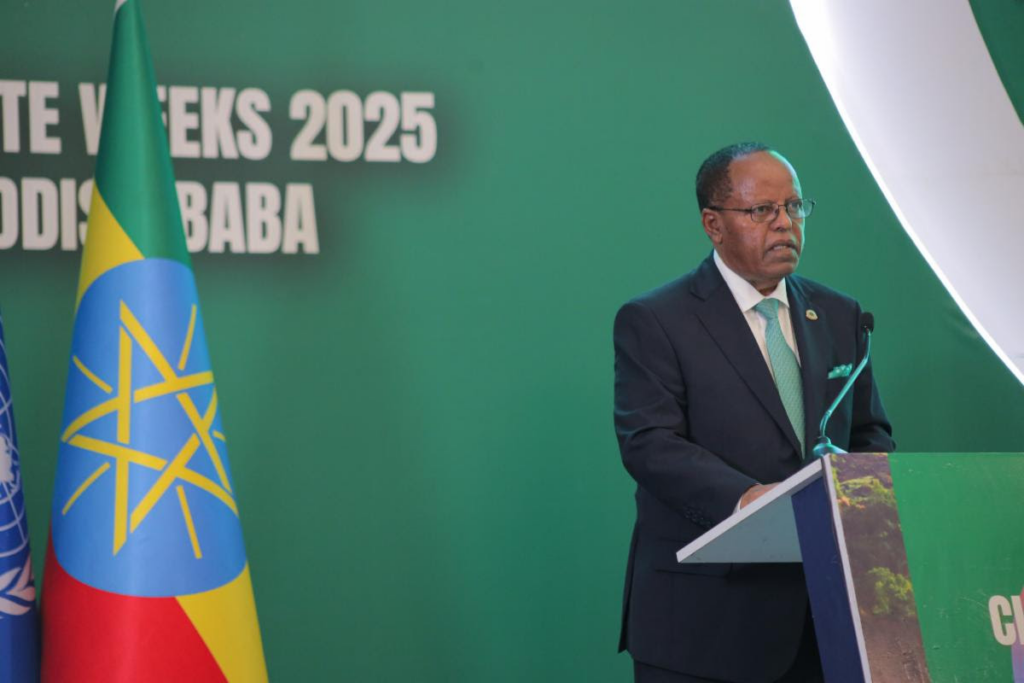
ADDIS ABABA, Ethiopia, 5 September 2025 -/African Media Agency (AMA)/UN News- The Africa Climate Summit next week is an unmissable opportunity to send a clear global message, according to a powerful joint statement issued today by UN Climate Change and the Government of Ethiopia: “Africa is ready to supercharge climate action, but COP30 must ensure Africa is fully enabled to do so.”

The joint statement – issued at Climate Week today in Addis Ababa – comes as nations around the world prepare for the crucial COP30 global climate conference in Brazil in November.

The statement – from H.E. Dr Fitsum Assefa, Ethiopia’s Minister of Planning and Development, and Mr Simon Stiell, UN Climate Change Executive Secretary – sets the stage for the Africa Climate Summit starting this coming Monday 8 September, in Addis Ababa.

“This Climate Week has shown that no continent holds greater potential than Africa for climate actions that transform lives and economies for the better. With the world’s youngest population, vast natural resources, unparalleled renewable energy potential, and extraordinary diversity and human ingenuity, Africa is a colossal coiled spring of climate action possibility,” said the statement.

“This Climate Week has shown that African innovators are putting forward pioneering solutions, to boost climate resilience and cut planet-heating emissions. However, it has also highlighted again that only a fraction of this potential has yet been realized. Global decarbonisation is charging ahead, with clean energy investments hitting $2 trillion last year alone, driving economic growth and millions of new jobs, but only a fraction of that investment is flowing to African nations.”

The two leaders pointed to recent United Nations climate COPs delivering concrete global outcomes that should materially benefit Africa and other developing nations.

“But to realize these benefits, COP30 must take the next concrete steps forward: with ambitious outcomes which convert agreements into results on the ground, and scalable solutions which drive a new era of implementation… Because when all nations are empowered to take bold climate actions, this strengthens the entire global economy and lifts up all the world’s 8 billion people,” the statement concludes.

Read the full Joint Statement at this link: Joint statement by UN Climate Change and the Government of Ethiopia | UNFCCC

UNFCCC/Ramzy Youssef

During the Climate Week, Ethiopia also announced its bid to host the COP32 UN Climate Conference in 2027.

“We have the capacity, the facilities, the location, the connectivity to host the much-anticipated climate summit,” Ethiopian President H.E. Taye Atske-Selassie said.

The joint statement and announcement of Ethiopia’s bid for COP32 cap a highly productive Climate Week attended by delegates from 119 countries, and hundreds of representatives from NGOs, investors and other international organizations.

During the Climate Week, in focused workshops and “implementation labs” over 40 initiatives driving implementation were featured, so they can be replicated in other markets and scaled up. Noura Hamladji, UN Climate Change Deputy Executive Secretary said:

“Climate Week has been about connecting the international climate process to people’s daily lives. We’ve worked together here in Addis to help translate pledges into actions. From community mini-grids to recycling innovations in Kibera, Kenya; to green bonds in Morocco and digital platforms tracking ambition across the continent: we’ve heard from innovators of climate action that is profitable, scalable, and irreversible.”

The Climate Week also advanced work on key issues being negotiated at COP30 in Brazil, across issues including climate adaptation, finance pathways, and a just transition.

Negotiators also participated in solutions-focused workshop, as part of Climate Week’s new approach this year, aiming to bring the intergovernmental process and real-economy implementation closer together. By clustering mandated meetings in the COP process together, the Climate Week also delivered cost savings and efficiencies.

Mrs Hamladji thanked the Government of Ethiopia for its leadership in hosting the Climate Week: “Ethiopia has long stood as a symbol of African independence, a founding member of the United Nations, and today the diplomatic capital of Africa — home to the African Union and the UN Economic Commission for Africa”.

“This is a country whose influence in regional diplomacy, security, and sustainable development, together with its innovative and dynamic society, made it an ideal setting for the week’s vital work”.

H.E. Dr Fitsum Assefa, Ethiopian Minister of Planning and Development said:

“By gathering here for Climate Week, a global platform for Parties and non-Party stakeholders, we reaffirm Addis Ababa’s role as a hub of the Global South, a place where ideas are exchanged, partnerships forged, and practical solutions launched. This Climate Week is not just an event. It is a bridge between negotiation and implementation. It is where ambition meets action, where commitments are translated into real solutions that reach communities, restore ecosystems, and advance sustainable development.”

Mukhtar Babayev, President of COP29 in Azerbaijan said:

“Each region has its own challenges and solutions. This high-level ministerial event convened by the COP29 Presidency within the Climate Week in Africa will serve as an important space for in-depth engagement on Africa’s core challenges, with a focus on potential solutions through maximizing the opportunities for effective actions.”

Distributed by African Media Agency (AMA) on behalf of UN Climate Change

More information and visuals

Download visuals from the UN Climate Change Flickr Album

More information about the Climate Week is at this link

Follow UN Climate Change’s social media accounts:

Media enquiries: press@unfccc.int

The post UN and Ethiopia urge Africa Climate Summit to send a clear message: COP30 must deliver for African nations appeared first on African Media Agency.
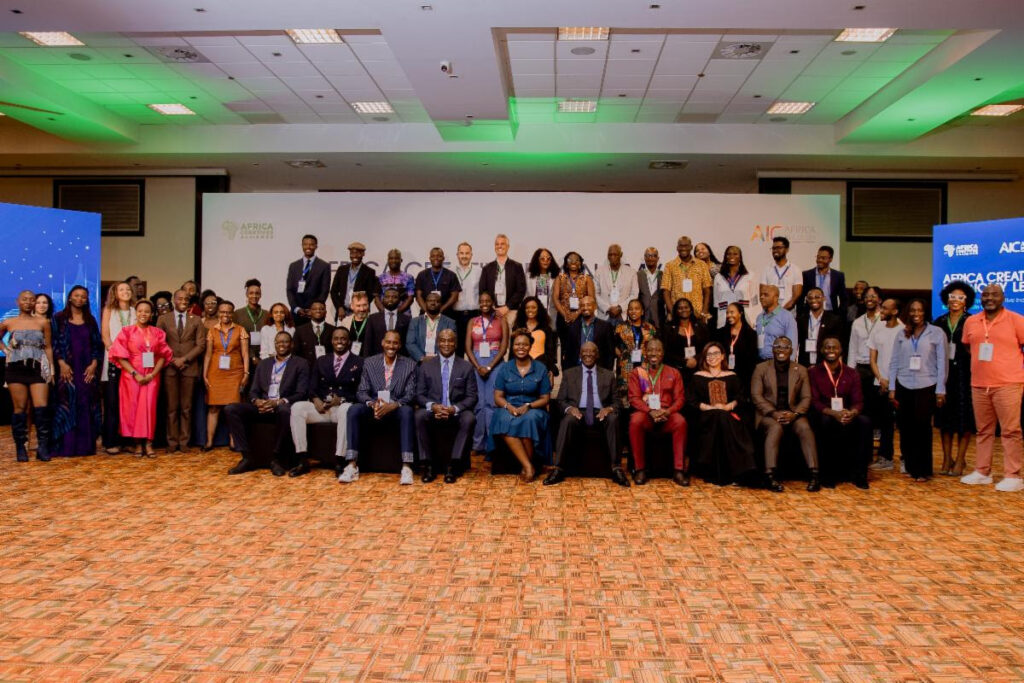
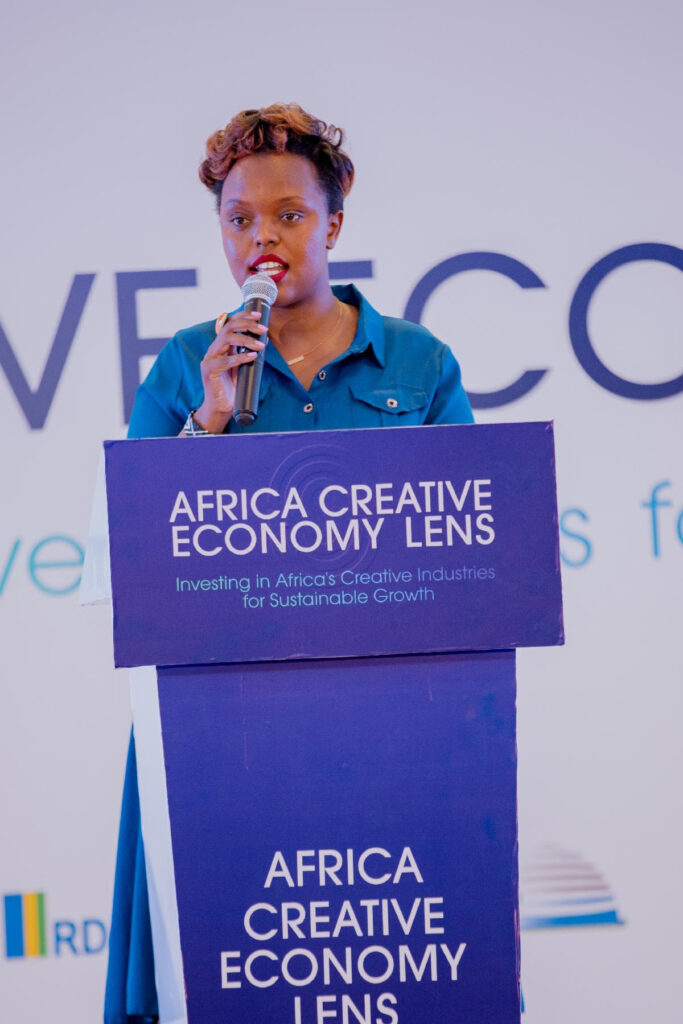
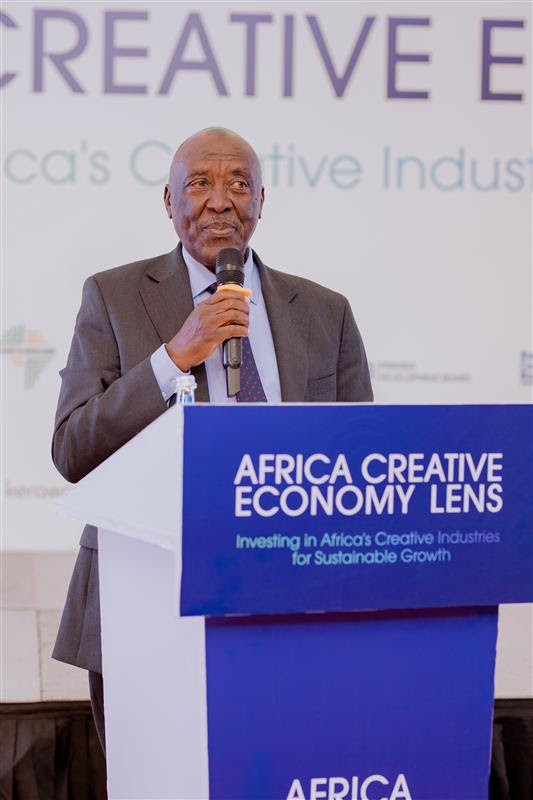
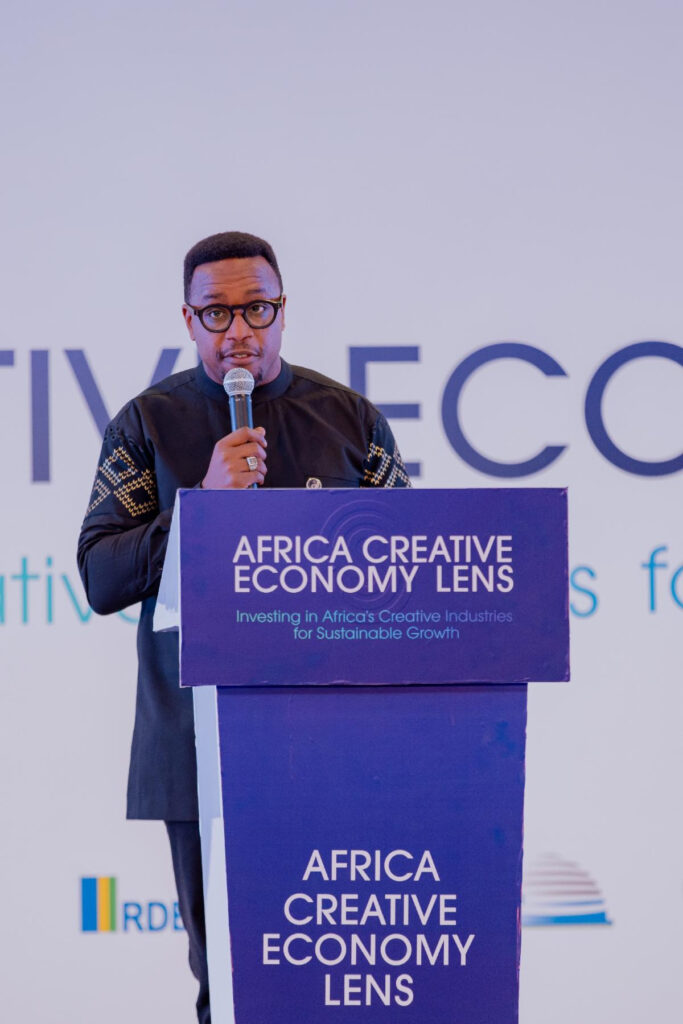
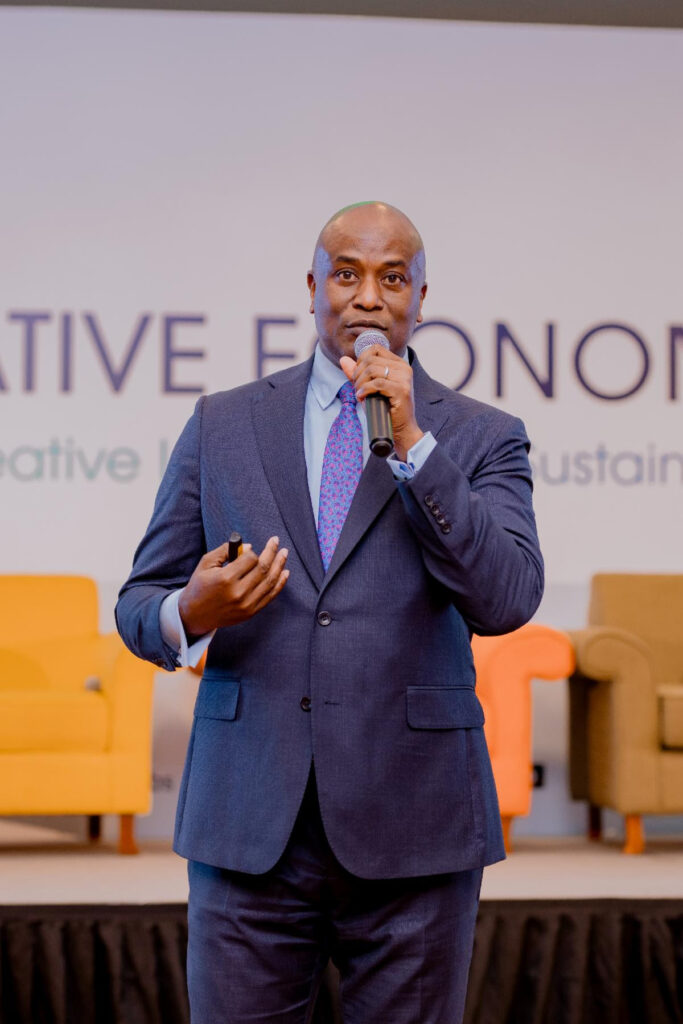
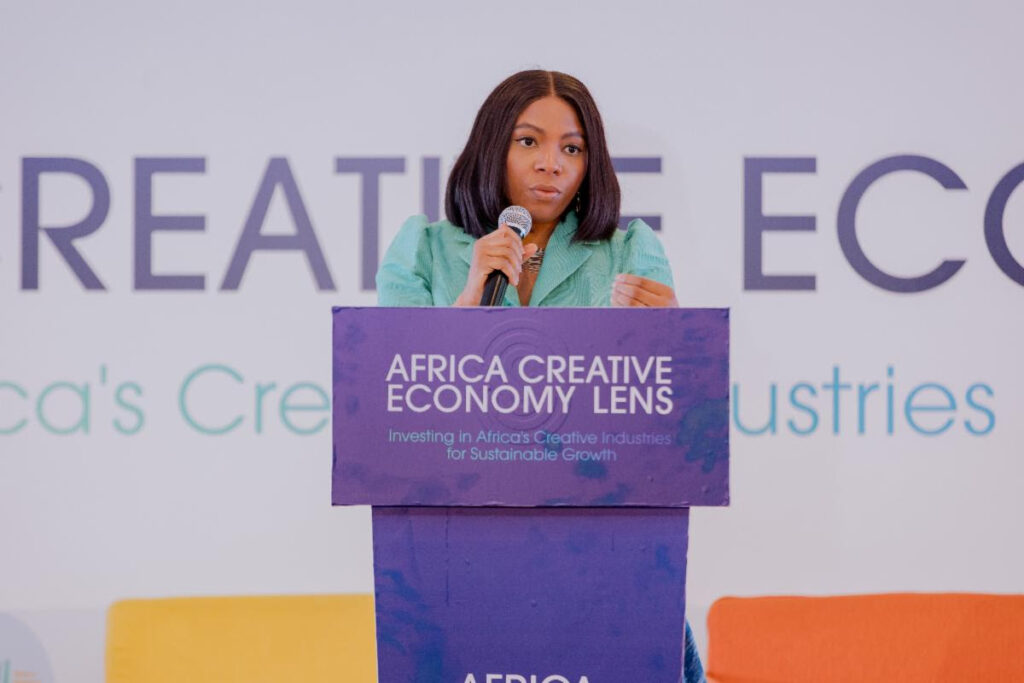
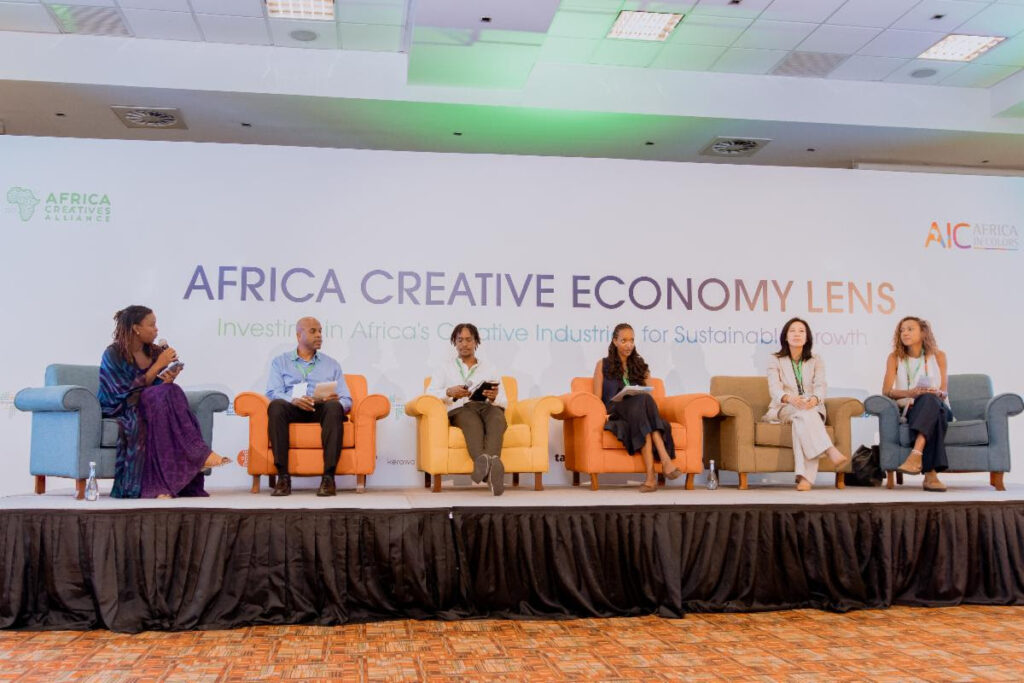
Investing in Africa’s Creative Potential for Sustainable Growth Takes Center Stage at Africa Creative Economy Lens 2025 in Kigali

KIGALI, Rwanda, 2nd September 2025 -/African Media Agency(AMA)/- The Africa Creative Economy Lens (ACEL) 2025 concluded in Kigali after two transformative days, amplifying the message that Africa’s cultural and creative industries (CCIs) are not only a source of identity but a powerful engine for sustainable growth.

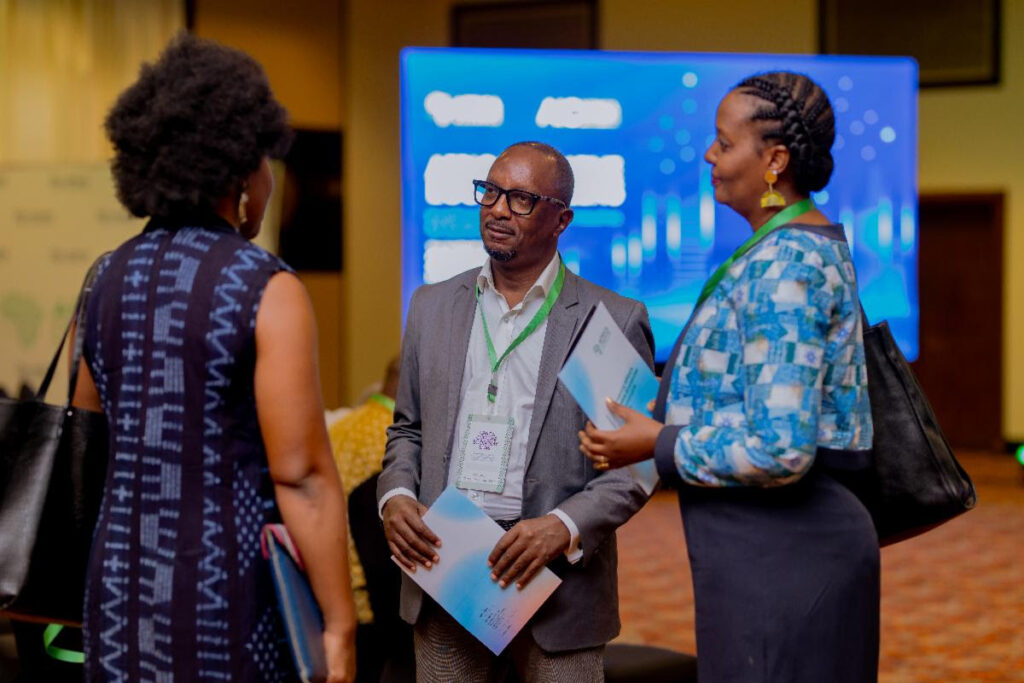
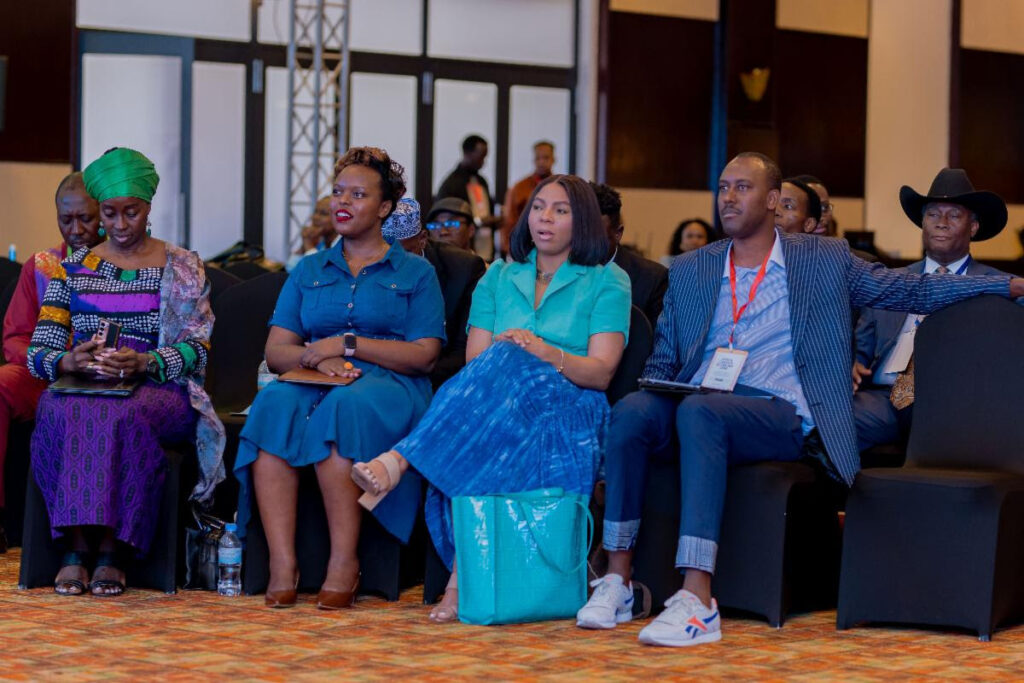
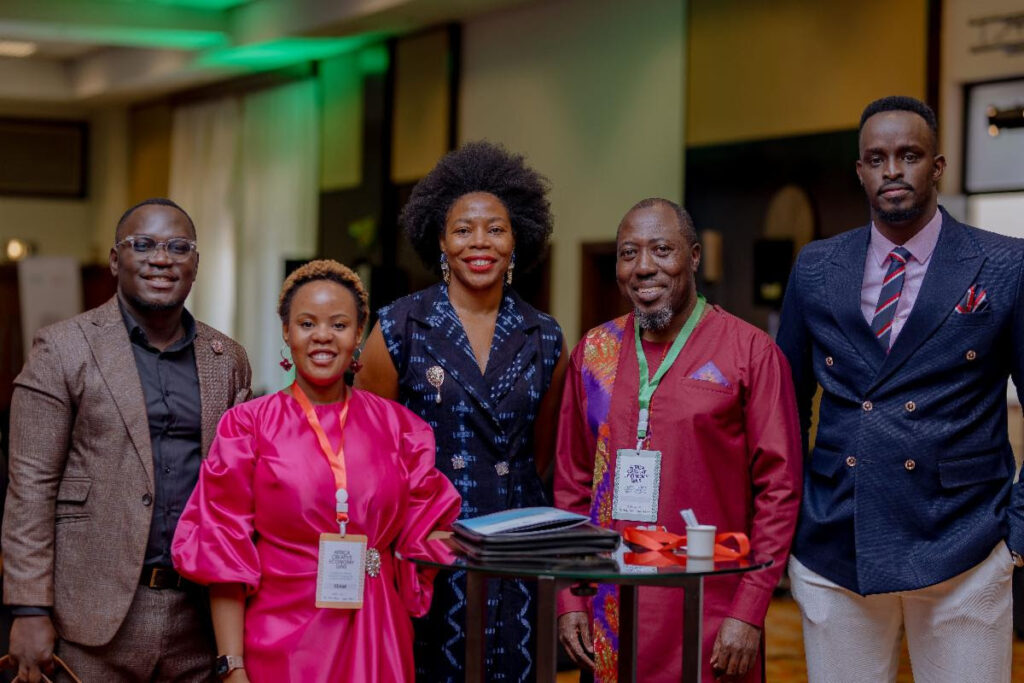
Co-hosted by the Africa Creatives Alliance (ACA) and Africa in Colors (AIC), the convening brought together more than 200 participants from across the continent, including policymakers, investors, DFIs, creatives, and development partners. Under the theme “Investing in Africa’s Creative Potential for Sustainable Growth,” ACEL 2025 demonstrated how creativity when matched with the right systems, financing, and policies can become a cornerstone of Africa’s economic future.

H.E. Maj. Gen. (Rtd) Robert Rusoke, Uganda’s High Commissioner, emphasized that Africa’s creative economy is not merely about entertainment but about identity, innovation, commerce, and socio-economic transformation. He noted that by 2030, Africa could command up to 10% of global creative exports, worth over $200 billion “not a distant dream, but a realistic trajectory if we invest strategically today.”

The stakes are clear: by 2050, one in four people will be African, while Sub-Saharan Africa will need 72.6 million new jobs (ILO). With industries spanning film, music, fashion, gaming, design, and digital media, the creative economy offers one of the most viable and sustainable pathways to meet this demand. Yet barriers such as limited access to finance, weak policy frameworks, and fragmented data systems continue to constrain growth.

ACEL 2025 addressed these challenges head-on through co-creation workshops, fireside discussions, and high-level dialogues. Conversations ranged from the intersection of technology and the arts to financial innovations tailored for creative enterprises. Development banks, venture funds, and corporate investors presented financing models and case studies, while policymakers, experts and creatives co-designed solutions around governance, copyright delivery frameworks, and Pan-African Trade and CCIs, focusing on the integration of CCIs into the AfCFTA.

Rita Ngenzi, Founding and Managing Director of ACA, stressed that the creative economy must move from the margins to the center of Africa’s development agenda:

“The Africa Creative Economy Lens has shown us that investing in creativity is not a luxury it is a necessity for Africa’s sustainable growth, employment, and resilience. Every job created in film, fashion, music, art, gaming, or design sparks a ripple effect across industries, communities, and borders. The task now is to translate this vision into tangible pathways that unlock opportunities at scale.”

She added: “Last year in Addis Ababa, we declared that Africa’s creative future would not be written for us, but by us. Here in Kigali, that vision is moving from declaration to action Creativity alone cannot scale without infrastructure, capacity, and investment. The outcomes of the gathering have shown us what becomes possible when creativity is connected to the systems that sustain it: it transforms into industries, jobs, and inclusive growth.”

Delivering remarks on behalf of Rwanda’s Minister of Youth and Arts, Olivier Ngabo, Permanent Secretary of the Ministry, reaffirmed Africa’s ownership of its creative future:

“Rwanda is committed to becoming a place where ideas, talent, and innovation converge to create opportunities beyond our borders. This ambition is anchored in our National Strategy for Transformation (NST2), which identifies the creative industries as key drivers of growth, innovation, and youth employment. By prioritizing creativity at the national level, we are signaling to investors, entrepreneurs, and artists alike that Rwanda is a place to do more and to do better.”

He emphasized that progress must be collective and intentional:

“No government, private sector, or creative can succeed in isolation. Together, we must create dignified jobs for Africa’s youth, expand trade, and open global stages for our designers, filmmakers, musicians, and innovators. If we get this right, the creative industries will not only transform our economies but also strengthen Africa’s cultural influence and shape how the world sees us.”

Raoul Rugamba, Founder of Africa in Colors, echoed this call:

“Africa’s creative potential represents a trillion-dollar opportunity. Kigali proved that when artists, investors, hubs, and policymakers come together, creativity moves from untapped potential to a bankable driver of prosperity.”

Adding an ecosystem perspective, Japheth Kawanguzi, ACA Board Member and Founder of MoTIV, noted:

“Africa’s creative economy will not grow by chance, but through intentional ecosystem design. Just as industrial parks anchor manufacturing, innovation districts must anchor Africa’s creative and digital industries. That is why we formed the Africa Creatives Alliance—to connect ecosystems across borders, align with continental policy, and create the scale Africa needs. A single district can transform a city, but only an alliance of ecosystems can transform a continent.”

Panels explored investment unlocking strategies, alternative financing for SMEs, and innovative debt solutions, with insights from the African Development Bank, IFC, Afreximbank, Heva Fund, and others. Fireside chats showcased creative entrepreneurs and enablers that have scaled successfully with the right financing and ecosystem support.

As the world looks to Africa as the next global growth frontier, Kigali affirmed a powerful truth: sustainable development will be defined by industries that harness imagination, innovation, and identity. By investing in Africa’s creative potential, the continent is not only shaping its future—it is redefining its place in the global economy.

Distributed by African Media Agency (AMA) on behalf of Africa Creatives Alliance.

Editor Notes 

About Africa Creatives Alliance 

The Africa Creatives Alliance (ACA) envisions strengthening Africa’s role as a global contributor to the creative economy by building a vibrant, inclusive, and sustainable ecosystem that empowers creatives, drives innovation, and fosters cultural and economic growth across the continent. Our mission is to unite and fortify Africa’s creative economy through strategic partnerships, advocacy, and capacity building, creating a dynamic network of hubs, incubators, and stakeholders that supports sustainable growth, enhances market access, and highlights the cultural and economic value of creativity.

ACA’s approach is grounded in five key pillars: Ecosystem Convening, which brings together creative hubs, incubators, accelerators, and makerspaces, along with government, NGOs, academia, and private sector players, to foster collaboration and drive system-level change; Policy & Advocacy, focused on creating an enabling environment through research-driven policy recommendations that promote intellectual property protections, inclusivity, and equitable access to resources; Education and Capacity Building, leading comprehensive training programs to equip hubs, incubators, accelerators, and makerspaces with the skills and innovative business models needed to support creatives and prepare them for success in global markets; Infrastructure and Enterprise Strengthening, prioritizing investments in physical infrastructure, reducing production costs, and improving market access to enhance productivity across value chains; and Investment, focused on mobilizing capital through tailored investment vehicles, including grants, equity, and impact investment funds, to meet the lifecycle needs of creative enterprises, foster growth, and drive sustainable economic impact. 

For media inquiries

Rita Ngenzi – Founding Director, Africa Creatives Alliance

rngenzi@aca.africa | +256 772 912799

Amanda Gowa – Chief of Staff, Africa Creatives Alliance

agowa@aca.africa I +256 701 050 600

The post Investing in Africa’s Creative Potential for Sustainable Growth Takes Center Stage at Africa Creative Economy Lens 2025 in Kigali appeared first on African Media Agency.
UN Climate Adaptation Expo in Zambia concludes with urgent call for more finance to save lives and economies; helps countries harness AI to build climate resilience

© Photo Credit: UNFCCC/Zambia | Dr Youssef Nasser, Director of Adaptation at UNFCCC, delivering remarks 
at the NAP Expo 2025 opening

LUSAKA, Zambia, 18 August 2025 -/African Media Agency (AMA)/-The largest annual climate adaptation event has concluded in Lusaka, Zambia, with an urgent call for scaled up investment to save lives, lift living standards and boost economic growth.

NAP Expo 2025 focused on strengthening countries’ capacity to advance National Adaptation Plans (NAPs) ahead of COP30 in Brazil, and closing the financing gaps that threaten effective climate adaptation.

The Expo also launched updated adaptation guidelines, and helped countries to make use of new AI tools to build climate resilience, in many countries for the first time, among other key developments.

“Adaptation isn’t a bill we can skip. If we don’t fund it, the poorest pay in lost harvests, poorer health, and – at worst – with their lives,” said Youssef Nassef, Director of Adaptation at UN Climate Change.

“Around USD 300 billion is needed annually for climate adaptation by 2030. Governments will spend this amount and much more, whether they like it or not, in rebuilding infrastructure destroyed by climate disasters, and importing food due to ruined crops,” said Nassef.

“Much smarter and cheaper is investing in resilience up-front, because this not only saves lives and money, it delivers massive dividends across every sector and every community, transforming lives and economies for the better.”

Zambia’s Minister of Green Economy and Environment, Mike Elton Mposha, said: “We must transform NAPs into investable and bankable plans attractive for investment, including by the private sector. It is also imperative to enhance horizontal and vertical coordination to ensure effective participation of various stakeholders – including women, children and youth, persons with disabilities, local communities and the private sector – in the design and execution of NAPs.”

“Climate change is a matter of life and death for our people. The 2023-2024 drought reduced crop yields by about half, and similarly reduced electricity generation by more than half. This requires a multi-pronged approach across multiple sectors and scales, centred around the critical role of water,” added Douty Chibamba, Permanent Secretary, Ministry of Green Economy and Environment of Zambia.

The Expo, attended by around 400 participants from 80 countries, launched updated technical guidelines, welcomed by least developed countries and others as a strong basis to help nations in designing and implementing their NAPs by 2025, in line with the latest science and the Global Goal on Adaptation (GGA).

Adaptation plans are vital to ensuring that vulnerable communities have access to the funding and support they need to build resilience to worsening droughts, floods and other climate disasters.

Key outputs from the Expo include:

  • Over six technical sessions focused on promoting mobilization and access to financing for NAPs: (i) maximizing access to existing sources and modalities under the UNFCCC Financial Mechanism; (ii) exploring new sources and modalities of adaptation finance and how countries can mobilize or engage.
  • Five sessions aiming to accelerate the uptake and use of frontier and digital technologies in the NAP process, including big data, Artificial Intelligence (AI) and Machine Learning.
  • For many participants, it was the first time using AI in supporting the formulation and implementation of NAPs, and the guided sessions provided an introduction to several powerful resources.
  • The AI session was so successful that participants requested an additional one, which was offered on the next day and focused on co-producing a sample open NAP to showcase concepts relevant to adaptation assessment, planning and implementation.
  • Various sessions strengthened inclusive stakeholder engagement in the NAP process by promoting the incorporation of diverse values and worldviews of Indigenous Peoples and the experiences of local communities, as well as private sector involvement, with a strong focus on vulnerable communities, gender-responsiveness and youth participation.
© Photo Credit: UNFCCC/Zambia | Fumukazi Zilanie Gondwe, Indigenous leader from Malawi’s Nyika Plateau, delivering remarks
at the opening.

Fumukazi Zilanie Kamgundanga Gondwe, traditional leader of the Phoka people, Rumphi, Malawi, said: “What we refer to as innovation is often rooted in long-standing Indigenous practices such as seed sovereignty, sacred forest protection, and cultural rituals for ecological balance.”

Ana Toni, CEO of the upcoming COP30 climate conference in Brazil, called on the global community to “transcend outdated mindsets whilst preserving shared values and innovating towards a new planetary renaissance, where humankind regenerates its relationship with itself and with the nature it belongs to.”

“COP30 will serve as a turning point for adaptation, and NAPs must lead the way, building capacity and securing funding to strengthen our efforts. In Belém, adaptation must be elevated to the same level of importance as mitigation on the global agenda, especially as the impacts of climate change have already infiltrated our homes. Together, we have the power to implement meaningful change and safeguard our communities for a more resilient and sustainable future,” Toni added.

Attended by government officials, technical experts, Indigenous leaders, private sector representatives, and development partners, the Expo from 11-15 August was marked by a focus on implementation – how to help countries meet the 2025 NAP submission target.

Countries also showcased practical solutions to the Global Goal on Adaptation targets:

  • Water security: nature-based solutions for urban rainwater harvesting, climate-smart agricultural practices, and restoration of rivers and streams.
  • Food security: climate-smart agriculture techniques improving soil health and yields without expanding land use.
  • Secure Livelihoods: diversified income and strengthened resilience through sustainable resource management.
  • Resilient infrastructure: coastal protection projects rooted in nature-based solutions.

Youssef Nassef expressed deep gratitude to the Government and people of Zambia for their gracious hospitality in hosting this important global event, noting how the Zambian spirit of solidarity, of hope, of collectivism and harmony helped underpin a successful Expo.

As the Expo closed, participants pointed to next month’s Climate Week in Addis Ababa, Ethiopia (1-6 September) convened by UN Climate Change, as another key moment to advance adaptation and resilience, including financing needs, along with other key issues.

By bringing together negotiators with implementers in government and the real economy, along with key financiers including development banks, Climate Week will help lay a foundation for progress on finance, adaptation, mitigation and a Just Transition, in Belém and beyond.

Distributed by African Media Agency (AMA) on behalf of UNFCCC 

About the NAP Expo 

The NAP Expo is an annual outreach event organized by the Least Developed Countries Expert Group (LEG) under the UNFCCC. It serves as a platform for exchanging experiences, fostering partnerships and mobilizing support to advance the formulation and implementation of NAPs in developing countries. 

About the UNFCCC 

With 198 Parties, the United Nations Framework Convention on Climate Change (UNFCCC) has near universal membership and is the parent treaty of the 2015 Paris Climate Change Agreement. The Paris Agreement aims to stabilize greenhouse gas concentrations in the atmosphere at a level which will prevent dangerous human interference with the climate system, and to protect all people from worsening climate impacts now and in the future. Through multilateral cooperation under the UNFCCC and the Paris Agreement, and national efforts, projected temperature increase has been reduced from up to 5 degrees Celsius, to around 3 degrees Celsius now, if pledges are implemented. Efforts continue to lower projected temperature rise to 1.5 degrees Celsius above pre-industrial levels, as all countries in the UNFCCC have agreed, as well as to build more climate-resilient economies and societies, and to spread the vast benefits of climate action across all nations and peoples. 

The ultimate objective of all agreements under the UNFCCC is to stabilize greenhouse gas concentrations in the atmosphere at a level that will prevent dangerous human interference with the climate system, in a time frame which allows ecosystems to adapt naturally and enables sustainable development.

Follow our social channels:

Media Contact:

UNFCCC

press@unfccc.int

African Media Agency (AMA)

Amy Minnie

Amy@africanmediaagency.com

The post UN Climate Adaptation Expo in Zambia concludes with urgent call for more finance to save lives and economies; helps countries harness AI to build climate resilience appeared first on African Media Agency.
ReStore Expands to Africa: Building Businesses & Sustainable Careers in Battery Rejuvenation

LAGOS, Nigeria, 20 May 2025 -/African Media Agency(AMA)/ – ReStore, a pioneer in lead-acid battery rejuvenation and refurbishment, is set to expand into Africa. By offering an innovative and cost-effective franchisee business model, ReStore aims to empower local entrepreneurs while promoting circular economic growth and sustainability.

With over 500 successful franchise outlets in India and a proven track record 1million batteries in lead-acid battery rejuvenation, ReStore has transformed the battery industry by providing an affordable & sustainable alternative to purchasing new batteries. The company specializes in rejuvenating lead-acid batteries used in various stationary applications through its proprietary technology EBEP (Electro-Chemical Battery Enhancement Process), extending battery lifespan by 1-2 years and reducing environmental waste. By extending the lifespan of batteries that would otherwise be discarded, ReStore reduces energy costs, minimizes e-waste and enhances access to reliable power solutions.

Addressing Africa’s Energy and Environmental Challenges

Energy reliability remains a critical issue in many African countries, with businesses and households depending on batteries for backup power and renewable energy storage. However, the high cost of new batteries presents a financial burden. ReStore’s entry into the African market provides a sustainable solution by extending battery life, offering cost savings and making energy storage more accessible.

According to Straits Research, the global lead-acid battery market was valued at USD 53.3 billion this year and is projected to grow from USD 55.95 billion in 2025 to USD 82.78 billion by 2033, with a CAGR of 5.02% during the forecast period. However, the manufacturing and disposal of lead-acid batteries pose significant environmental challenges. Containing toxic materials like lead and sulfuric acid, improper disposal can result in severe environmental degradation, affecting ecosystems and human health.

In response, Battery Rejuvenation using EBEP technology has emerged as a sustainable and innovative solution to these concerns. By significantly extending battery life, this process reduces the carbon footprint associated with both the manufacturing and disposal of batteries. ReStore’s approach aligns with UN Sustainable Development Goal 12: Responsible Consumption and Production, ensuring that resources are conserved while reducing environmental impact.

Empowering Entrepreneurs with a Low-Cost Business Model

ReStore’s franchise model is designed to empower aspiring business owners by offering an affordable, scalable, and profitable venture. 

The key benefits of becoming a ReStore franchisee include:

  • Low Investment, High Returns – Entrepreneurs can start their own battery rejuvenation and refurbishment business with minimal upfront capital while tapping into a high-demand market
  • Sustainable and Eco-Friendly – Using EBEP technology, ReStore rejuvenates batteries instead of discarding them, significantly reducing e-waste and the need for new raw materials
  • Comprehensive Training & Support – Franchisees receive in-depth training on battery rejuvenation techniques, business operations and marketing strategies to ensure long-term success
  • Trusted Brand Recognition – With over a decade of experience and 500+ franchise outlets in India, ReStore provides a trusted and reliable brand name that inspires customer confidence

“Our mission is to make battery rejuvenation technology accessible to entrepreneurs in Africa” said Irfan Ahmed, CEO EMEA at ReStore. “By introducing a sustainable and profitable business model, we not only aim to redefine the market but also to train the micro and small entrepreneurs on our EBEP technology that will help in creating job opportunities, reduce battery waste and provide affordable energy solutions to millions of people. Our entry into the African market is a significant step toward empowering local businesses and supporting economic development.”

Driving a Greener and More Sustainable Future

As Africa continues to embrace renewable energy, the demand for sustainable battery solutions is at an all-time high. ReStore enables individuals and businesses to maintain reliable power storage without the financial burden of frequent battery replacements.

Through its “Refurbish, Reuse, Recycle” approach, ReStore actively minimizes e-waste while promoting a circular economy. By integrating EBEP technology, the brand helps conserve resources, lower carbon emissions, and prevent hazardous waste from polluting the environment.

With a vision to establish a strong presence across Africa, ReStore is actively seeking franchise partners in West and South African territories. The company invites entrepreneurs, investors, and businesses to explore partnership opportunities and join the movement toward affordable, sustainable energy solutions.

By bringing eco-friendly battery rejuvenation technology to Africa, ReStore is helping shape a more sustainable, affordable and energy-secure future.

How to Become a ReStore Franchisee

Entrepreneurs interested in partnering with ReStore can visit the company’s website at www.restorelife.io to learn more about the franchise model, investment requirements, and training programs. ReStore is committed to providing long-term support to its franchisees, ensuring they have the necessary tools and knowledge to build a successful business.

As ReStore expands its footprint in Africa, it remains dedicated to making a positive impact on local economies, environmental sustainability and energy accessibility. 

Distributed by African Media Agency (AMA) on behalf of ReStore

About ReStore

ReStore is a pioneering and well-known brand specializing in lead-acid battery rejuvenation and refurbishment services. With over 500 franchise outlets in India, the company has successfully extended the lifespan of millions of lead-acid batteries used in UPS, inverters, solar energy systems and other stationery applications. The brand is committed to sustainability, affordability, and empowering entrepreneurs through its innovative franchisee business model.

Through the integration of EBEP technology, ReStore ensures a reduction in environmental waste, conservation of valuable resources, and a lower carbon footprint, aligning with global sustainability goals and the principles of the circular economy.

Media Contacts

Irfan Ahmed

CEO MENA Region

info@ReStorelife.io

+971 50 7607047

www.ReStorelife.io

Amy Minnie

Account Manager

African Media Agency (AMA)

amy@africanmediaagency.com

Source : African Media Agency (AMA)

Thomas Sankara’s mausoleum opens to honor revolutionary leader

Pritzker Prize-winning architect Francis Kéré designed the memorial in Ouagadougou in tribute to Thomas Sankara, Burkina Faso’s revolutionary leader.

The recently opened mausoleum of the father of Burkina Faso’s 1983 Revolution and his 12 aides, assassinated the same year, proudly stands on the site of the Conseil de l’Entente. The mausoleum is over 70 meters high, it’s designed in the shape of an eye, with descending steps representing the 13 fallen martyrs. The site is a bold tribute to the revolution’s triumph over imperialism.

 “This mausoleum represents the revolution’s victory over reactionary forces, the triumph of Thomas Sankara’s ideology that was sovereignty-driven over imperialism’s enslaving ambitions. It’s a victory for oppressed peoples against their oppressors. A triumph of the colonized over the colonizers.” Serge Bayala Imotep, Civil Society Activist, said.

Built with bricks made of laterite blocks, the memorial is environmentally friendly, representing some of Sankara’s own vision: championing the use of local resources for Burkina Faso’s sustainable development. The country’s Prime Minister said it’s more than a building but also a space for collective awakening.

 “This is a site for the collective consciousness of Burkinabè, of freedom fighters, and of all those who cherish peace and social justice, and of  the sacrifice made by President Thomas Sankara and his aides. This mausoleum also bears witness to a persecuted but enduring integrity.” Jean Emmanuel Ouédraogo, Prime Minister of Burkina Faso, said.

The site also includes a restaurant, media library, workshops and offices, all linked by a leafy promenade. The space aims to educate, bring people together and provide a contemplative environment to reflect on Sankara’s principles of justice and social equity.

Source: Africanews