




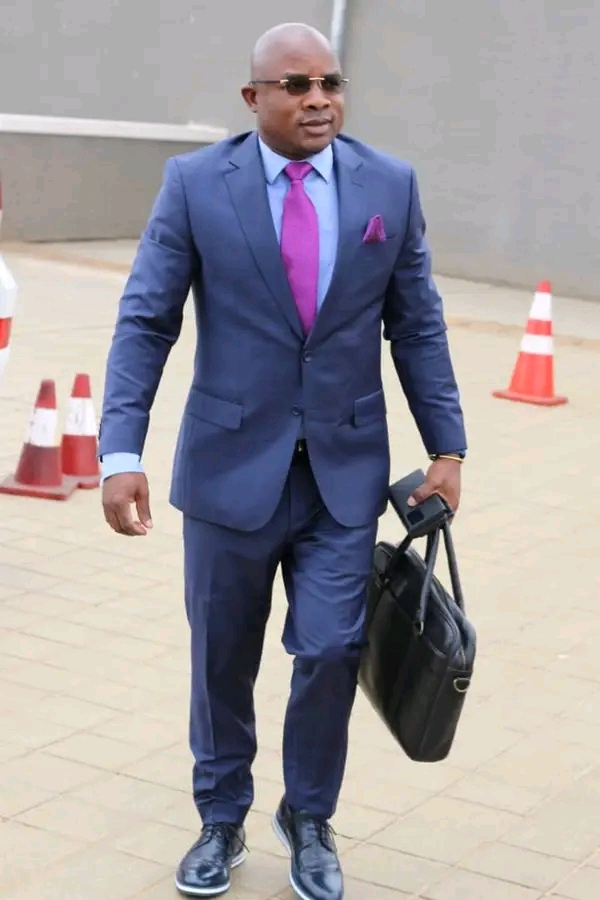
….Scores 2 out of 20
The Ministry of Homeland Security in Malawi, under the stewardship of Ezekiel Peter Ching’oma, has emerged as a glaring example of inefficiency and ineffectiveness within President Lazarus Chakwera’s administration.
As the nation grapples with various security challenges, the ministry’s performance has been disappointing, raising questions about the government’s commitment to ensuring the safety and security of its citizens.
Ching’oma has proved to be dark sheep who is behind thugs that terrorise protesters.
He uses threats, intimidation, sending thugs to hack political opponents in favour of his Malawi Congress (MCP)…
This analysis will delve into the ministry’s shortcomings, the broader implications for governance in Malawi, and the accountability of President Chakwera in addressing these failures.
From the outset, it is essential to recognize the critical role that the Ministry of Homeland Security plays in maintaining law and order, protecting citizens, and ensuring national stability.
However, under Ching’oma’s leadership, the ministry has struggled to fulfill these fundamental responsibilities.
Reports of rising crime rates, inadequate response to security threats, and a lack of strategic planning have characterized the ministry’s tenure.
The failure to address these issues has not only undermined public confidence in the government but has also exposed the vulnerabilities of the Malawian state.
One of the most significant failures of the Ministry of Homeland Security has been its inability to effectively combat rising crime rates.
Over the past few years, Malawi has witnessed an alarming increase in violent crimes, including armed robberies, assaults, and gender-based violence.
The ministry’s response has been lackluster at best, with law enforcement agencies often appearing overwhelmed and ill-equipped to handle the escalating situation.
This failure to maintain public safety has left citizens feeling vulnerable and disillusioned with the government’s capacity to protect them.
Moreover, the ministry has been criticized for its inadequate response to emerging security threats, such as terrorism and organized crime.
In a global landscape where security challenges are increasingly complex and multifaceted, the Ministry of Homeland Security has failed to adapt and respond effectively.
The lack of a comprehensive national security strategy has left the country exposed to potential threats, further exacerbating public fears and concerns.
The ministry’s inability to engage in proactive measures, such as intelligence gathering and community policing, has only deepened the crisis of confidence in its capabilities.
Another area of concern has been the ministry’s approach to disaster management and response. Malawi is prone to natural disasters, including floods and droughts, which have devastating impacts on communities and livelihoods.
However, the Ministry of Homeland Security has been criticized for its inadequate preparedness and response mechanisms.
The lack of coordination with other government agencies and non-governmental organizations has hindered effective disaster response efforts, leaving vulnerable populations without the necessary support during times of crisis.
This failure to prioritize disaster management not only reflects poorly on the ministry but also raises questions about the government’s overall commitment to safeguarding its citizens.
Furthermore, the ministry’s internal governance and management practices have come under scrutiny. Reports of corruption, mismanagement, and lack of accountability within the ministry have surfaced, further eroding public trust.
The failure to address these issues has created an environment where inefficiency and ineffectiveness thrive, ultimately impacting the ministry’s ability to fulfill its mandate.
The lack of transparency and accountability in the ministry’s operations has raised concerns about the allocation of resources and the effectiveness of programs aimed at enhancing security.
In assessing the performance of the Ministry of Homeland Security, it is crucial to consider the role of President Lazarus Chakwera in holding his ministers accountable.
As the head of government, Chakwera bears the ultimate responsibility for the performance of his administration.
However, his failure to take decisive action against non-performing ministers, including Ching’oma, has been a significant oversight.
The lack of accountability for poor performance sends a troubling message about the government’s commitment to effective governance and public service delivery.
Chakwera’s administration came to power with promises of reform, transparency, and accountability. However, the continued poor performance of the Ministry of Homeland Security undermines these promises and raises questions about the government’s ability to deliver on its commitments.
The president’s reluctance to address the shortcomings of his ministers reflects a broader issue within the administration—a failure to prioritize the needs and safety of the Malawian people.
In conclusion, the Ministry of Homeland Security under Ezekiel Peter Ching’oma has emerged as a poor performer in President Lazarus Chakwera’s administration.
The ministry’s inability to effectively combat rising crime rates, respond to security threats, and manage disasters has left citizens feeling vulnerable and disillusioned.
Furthermore, the lack of accountability for non-performing ministers, including Ching’oma, reflects a troubling trend within the government that undermines public trust and confidence.
As Malawi continues to face significant security challenges, it is imperative for President Chakwera to take decisive action to address these failures and ensure that the Ministry of Homeland Security fulfills its critical mandate.
Considering the ministry’s performance, I’d rate it as follows: Crime prevention (0/5), Response to security threats (1/5), Disaster management (1/5), Accountability and transparency (1/5), Overall performance (2/10), which totals a score of 2 out of 20.
This score reflects the ministry’s poor performance and the urgent need for reform and accountability within the Chakwera administration.