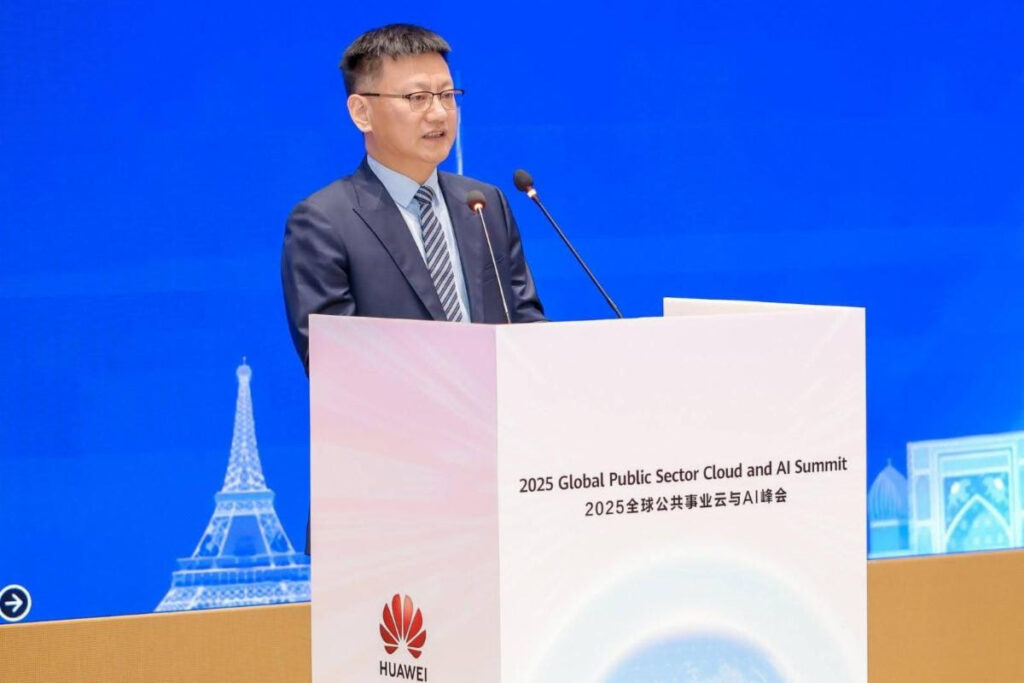
SHANGHAI, China, September 23, 2025 /African Media Agency (AMA)/ – At the 2025 Global Public Sector Cloud & AI Summit, Huawei officially released the “R.I.S.E” National Government Cloud reference architecture, accelerating the nation’s intelligent transformation.
Huawei Solutions Target Challenges in Public Services
Li Junfeng (Wind), Vice President of Huawei and CEO of the Global Public Sector BU
In his speech, Li Junfeng (Wind), Vice President of Huawei and CEO of the Global Public Sector BU, said that driven by cloud and AI, Huawei has built a centralized, efficient, and secure cloud foundation that supports intelligent transformation of government and public services, while supporting data aggregation, processing, and value extraction.
Shan Zhiguang, Director of the Informatization and Industry Development Dept, State Information Center, highlighted China’s ICT-driven transformation as a valuable model for global smart governance.
Representatives from DPO (Hong Kong), CCK (Tunisia), Ankabut (UAE), and AIPMC (Huadu, Guangdong) also delivered speeches at the event.
At the summit, Mr. Hong-Eng Koh, Chief Scientist of Huawei Global Public Sector BU, unveiled the “R.I.S.E” reference architecture for National Government Cloud, which involves four solutions:
Resilient & Reliable Infrastructure: The National Government Cloud provides a resilient and reliable cloud infrastructure, ensuring data security and stable operation of critical applications.
Secure & Sovereign: To address challenges of national digital self-reliant security, Huawei offers multiple deployment models (e.g. public cloud, full-stack dedicated cloud, and Huawei Cloud Stack). Through a unified architecture, synchronized technologies, and a shared ecosystem, these solutions support secure and reliable data storage, flow, and utilization.
Innovative & AI Ready: The architecture builds three effectiveness platforms for applications, data, and AI to achieve efficient supply and use of high-quality data. Huawei provides government-specific intelligent agents and digital IDs as core capabilities of the digital public platform layer, supporting upper-layer government applications.
Enriched Ecosystem: Huawei has partnered with over 100 ecosystem players across government and public sectors, helping countries accelerate digital and intelligent transformation of public services.
Huawei continues to invest in innovation, committed to delivering comprehensive solutions that address critical needs of digital and intelligent transformation in public services. Leveraging the powerful cloud-AI synergy, Huawei helps tackle key challenges. The release of the National Government Cloud reference architecture marks the beginning of a new era of “intelligent collaboration” in public service delivery.
Looking ahead, Huawei will continue to deepen cloud-AI integration, driving high-quality development in the new era.
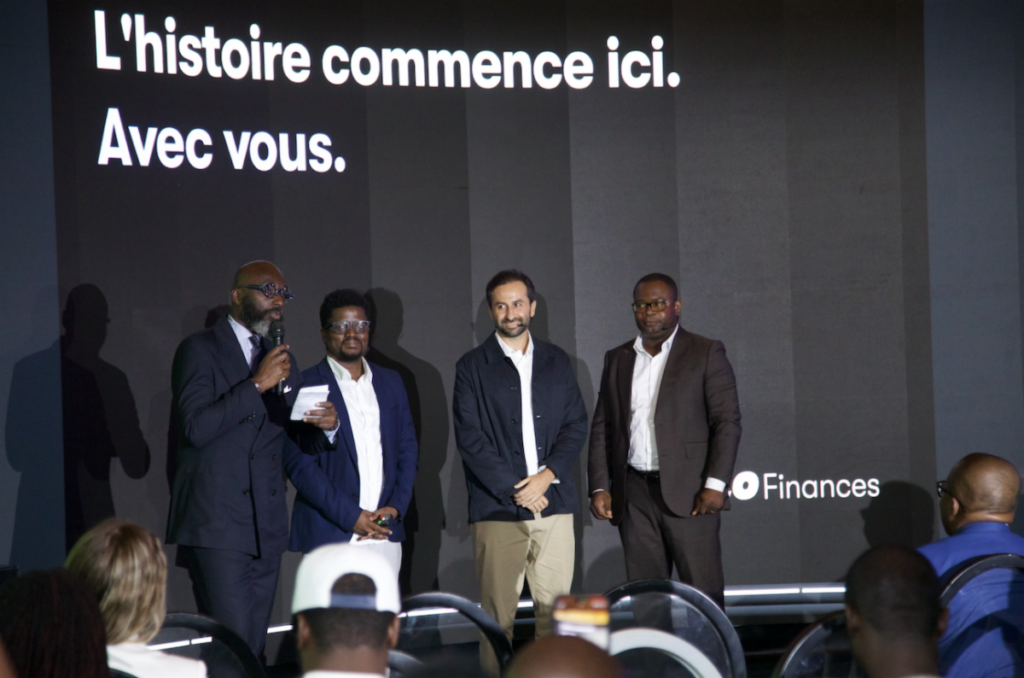
ABIDJAN, Côte d’Ivoire, 12 September, 2025 /African Media Agency (AMA)/ – Djamo Finances, a subsidiary of the Djamo group and a pioneering digital financial services platform in Francophone Africa, has officially obtained its license as a microfinance institution in Côte d’Ivoire, issued by the Ministry of Finance and Budget.
This regulatory recognition provides Djamo’s clients with an additional guarantee. The company’s governance has also been strengthened to better support and serve the financial needs of its growing customer base.
“Obtaining this license is a key milestone in our mission. It gives us the tools to reinforce customer trust and to become their primary financial partner in managing their daily finances, with regulated and guaranteed services designed to meet local economic realities. Thanks to our digital model, these microfinance services will now be within reach, anywhere, at any time, directly from a smartphone,” said Elfried Didehia, CEO of Djamo Finances.
With this license, Djamo will offer its clients new solutions such as access to credit, interest-bearing savings, and current accounts without limits. These new offerings build on an already strong suite of services that includes salary reception, payments and transfers, budget management, secure savings vaults, and investment. Djamo aims to become the primary financial partner for its clients, providing them with the full range of services they need to manage their finances. For users, this evolution means more simplicity, more security, and more opportunities.
In recent years, Côte d’Ivoire has recorded significant progress in financial inclusion: according to the World Bank, the rate has risen from 41% in 2017 to 58% in 2024. While more people now have access to bank accounts, access to credit and savings remains limited. Djamo’s license is part of this dynamic, enabling millions of people to access credit and savings services, paving the way for more comprehensive and sustainable financial inclusion.
Beyond Côte d’Ivoire, this license reflects Djamo’s Pan-African strategy to build a solid digital financial institution capable of supporting millions of people in their financial journey. Also present in Senegal, where it operates with its digital payment and transfer services, Djamo serves today more than one million users with a seamless, innovative, and 100% digital experience. Building on this milestone, the company reaffirms its vision of creating an accessible, user-centered financial institution
Djamo is a Pan-African digital financial services platform designed to make financial services simple, accessible, and useful to millions of people excluded from the traditional banking system, particularly in Francophone Africa, where fewer than 25% of adults hold a bank account.
Founded in 2019 in Côte d’Ivoire by Hassan Bourgi and Regis Bamba, Djamo provides, through a single interface, a range of solutions including Visa cards, instant transfers, bill payments, budgeting tools, secure savings vaults, and investments.
Driven by rapid growth, Djamo continues its regional expansion and its ambition to become the financial partner of choice in Francophone Africa.
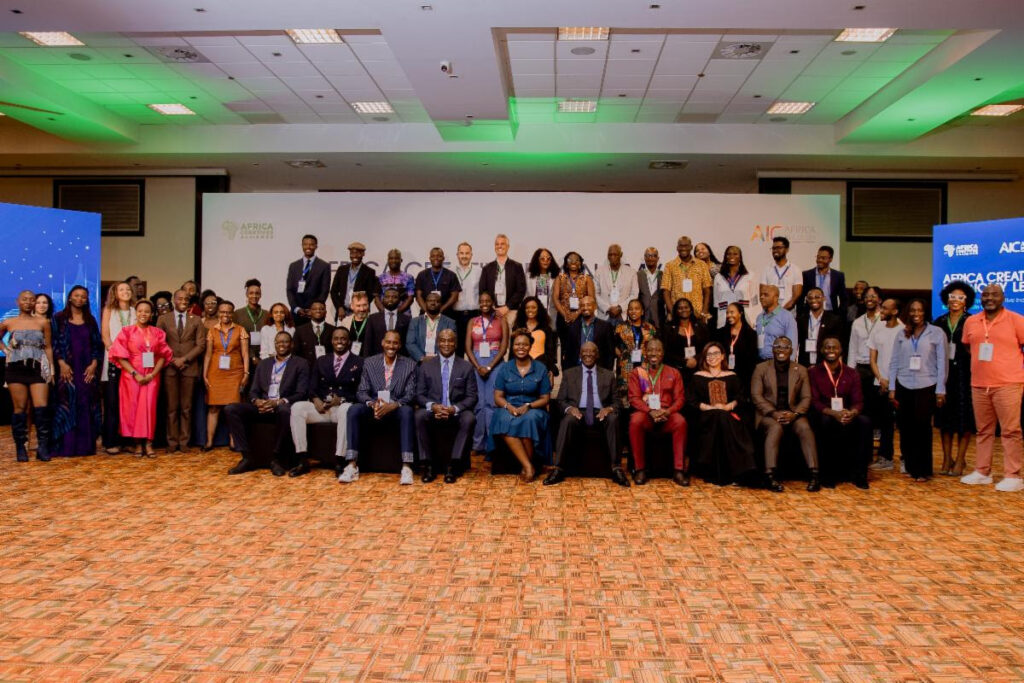
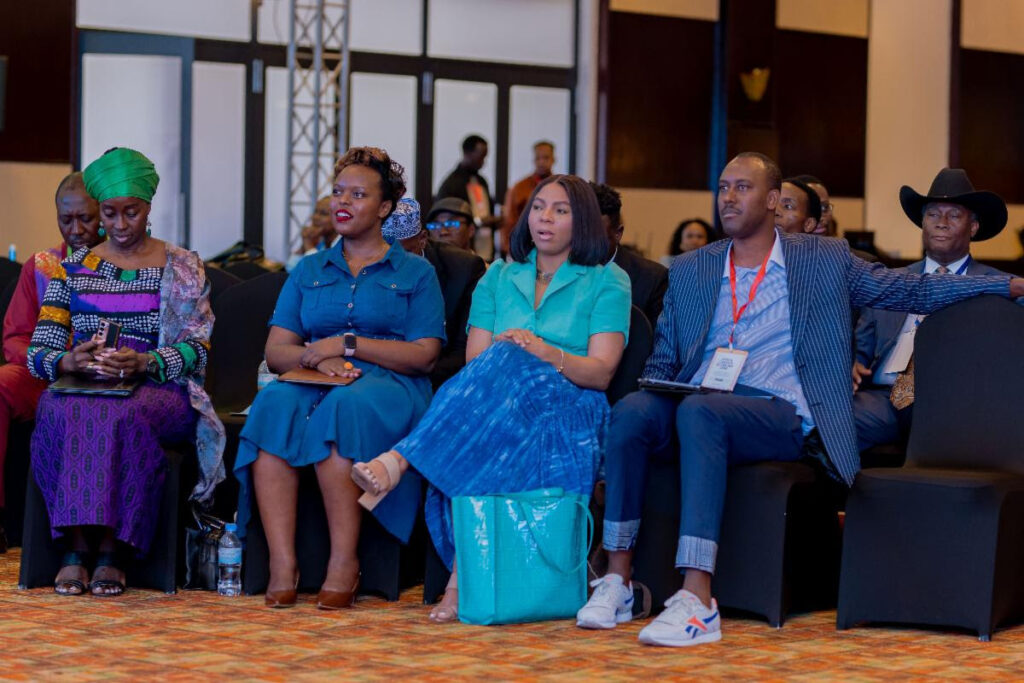
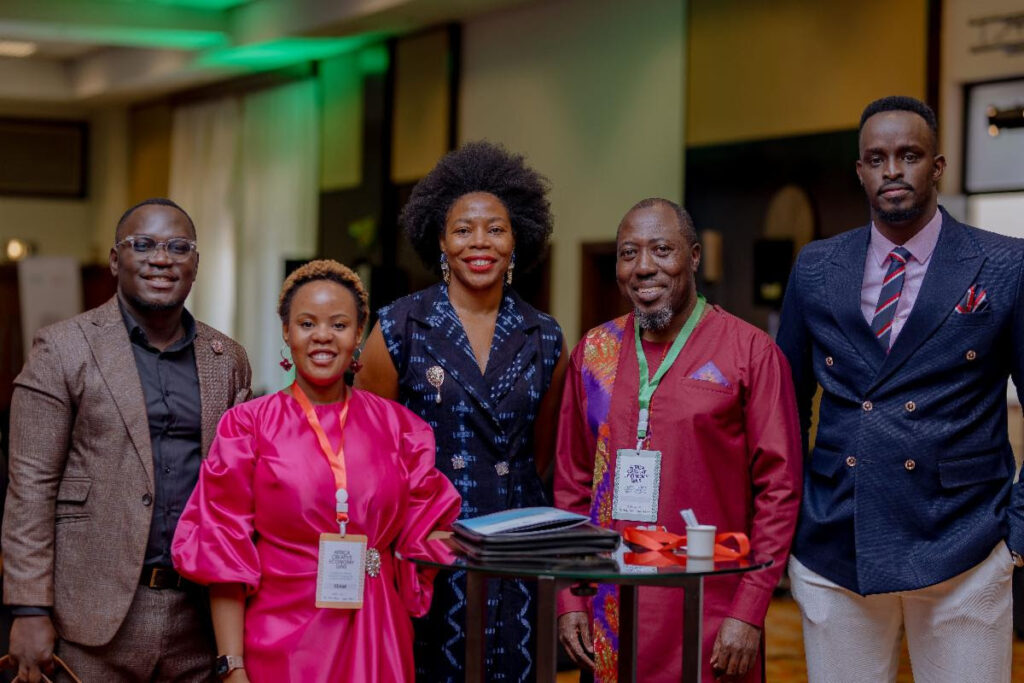
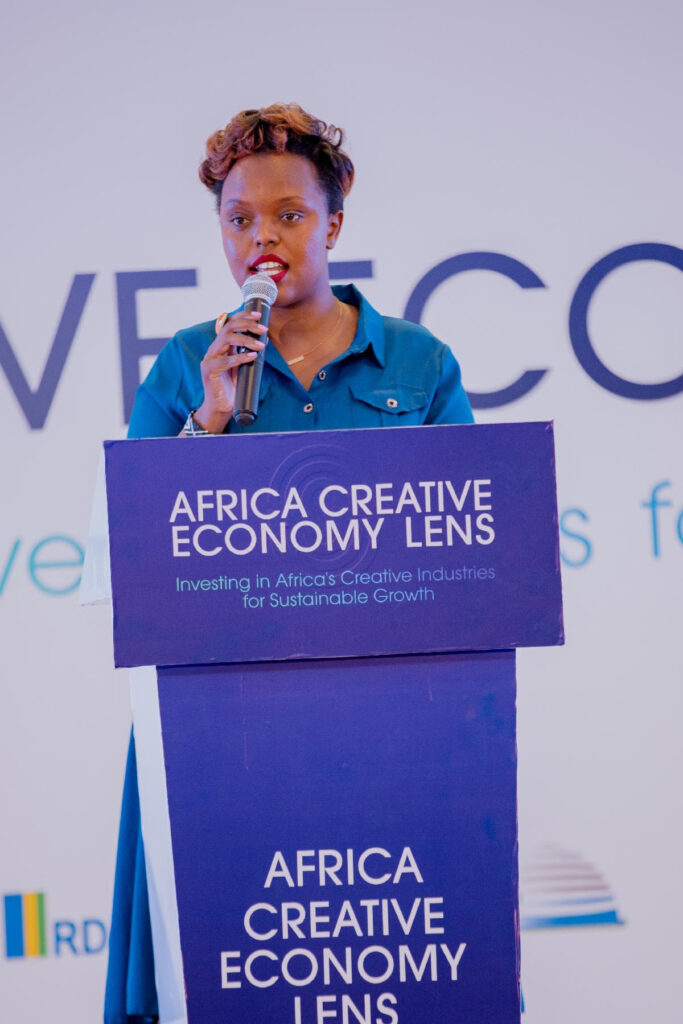
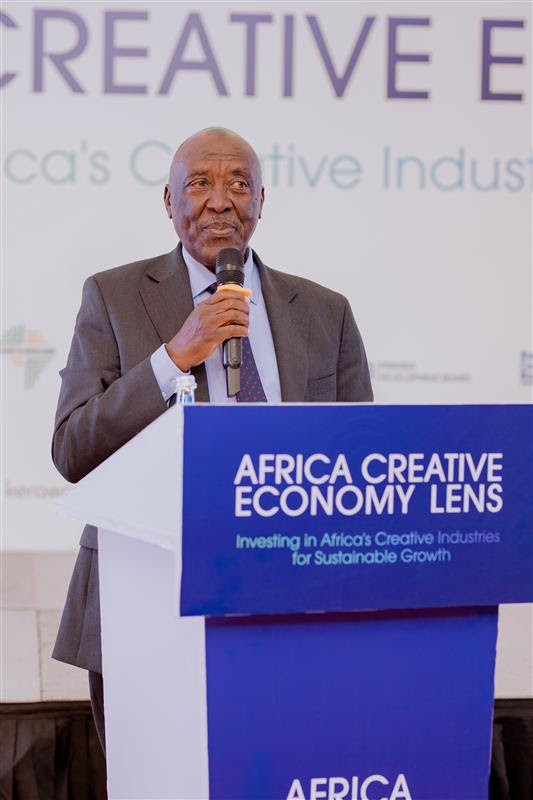
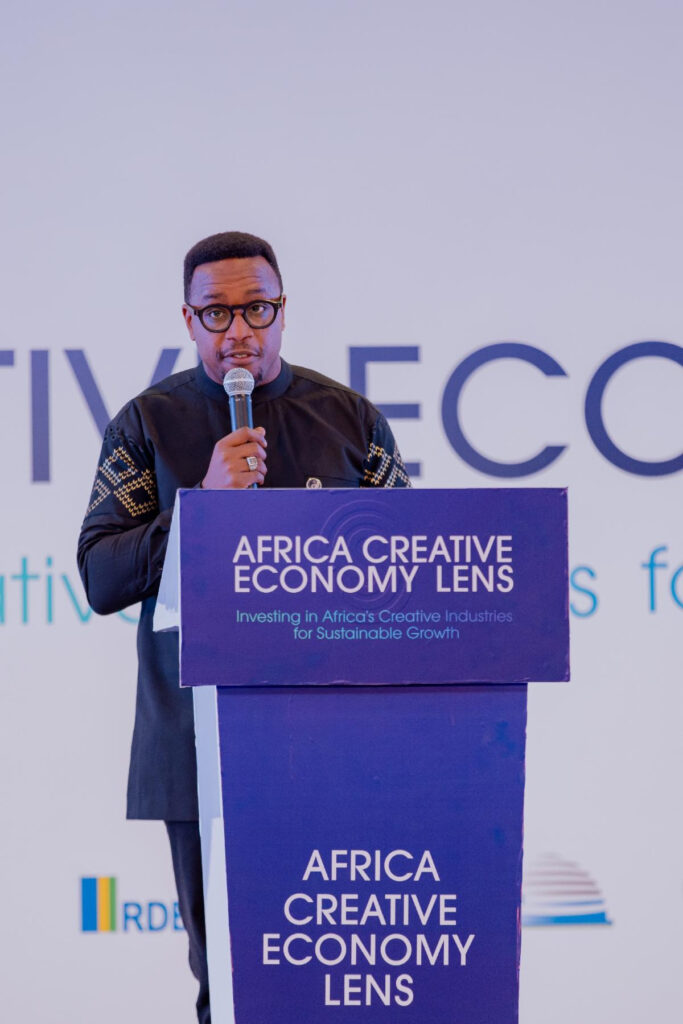
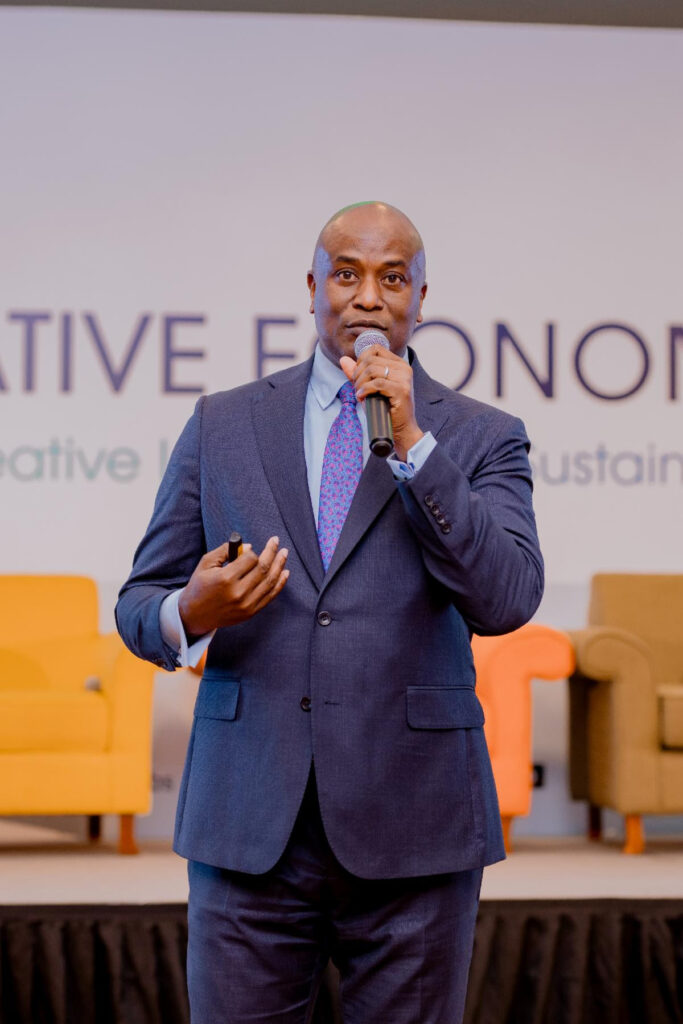
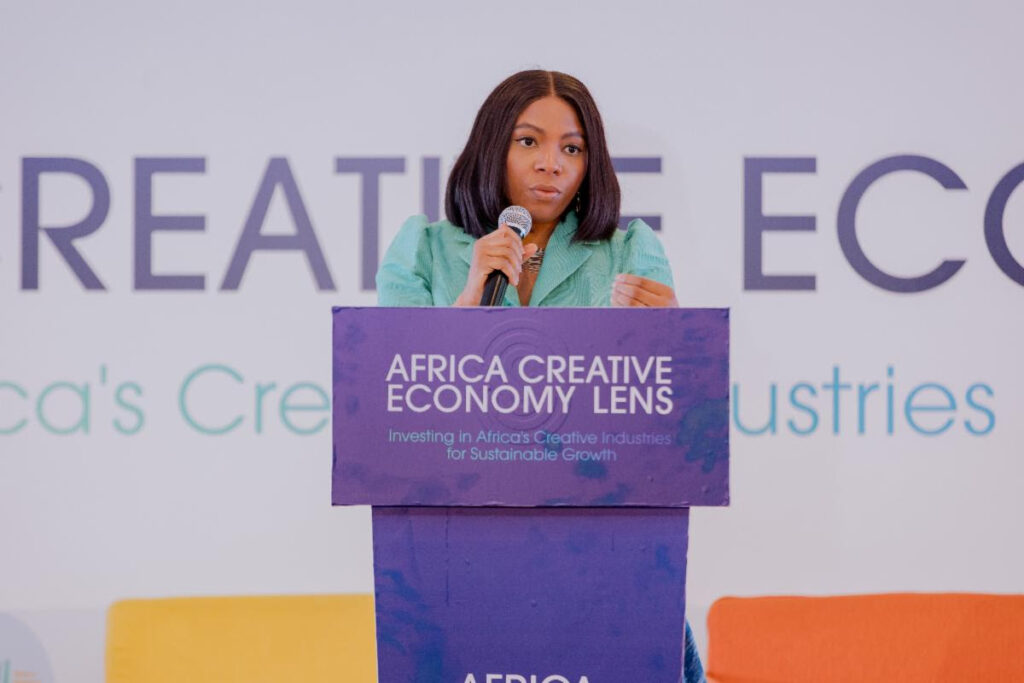
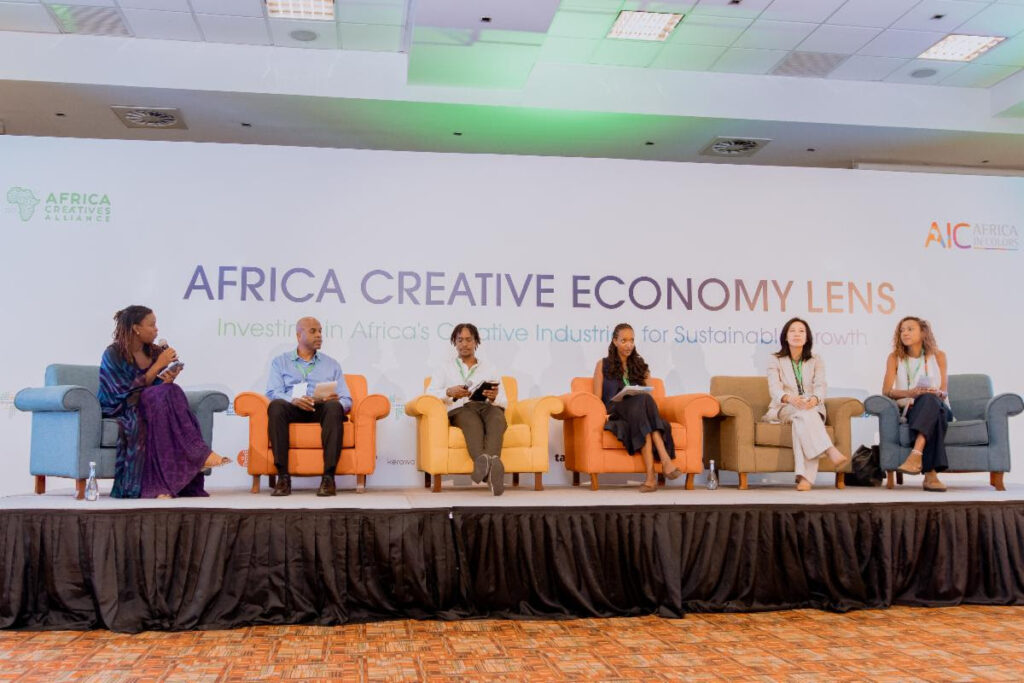
KIGALI, Rwanda, 2nd September 2025 -/African Media Agency(AMA)/- The Africa Creative Economy Lens (ACEL) 2025 concluded in Kigali after two transformative days, amplifying the message that Africa’s cultural and creative industries (CCIs) are not only a source of identity but a powerful engine for sustainable growth.
Co-hosted by the Africa Creatives Alliance (ACA) and Africa in Colors (AIC), the convening brought together more than 200 participants from across the continent, including policymakers, investors, DFIs, creatives, and development partners. Under the theme “Investing in Africa’s Creative Potential for Sustainable Growth,” ACEL 2025 demonstrated how creativity when matched with the right systems, financing, and policies can become a cornerstone of Africa’s economic future.
H.E. Maj. Gen. (Rtd) Robert Rusoke, Uganda’s High Commissioner, emphasized that Africa’s creative economy is not merely about entertainment but about identity, innovation, commerce, and socio-economic transformation. He noted that by 2030, Africa could command up to 10% of global creative exports, worth over $200 billion “not a distant dream, but a realistic trajectory if we invest strategically today.”
The stakes are clear: by 2050, one in four people will be African, while Sub-Saharan Africa will need 72.6 million new jobs (ILO). With industries spanning film, music, fashion, gaming, design, and digital media, the creative economy offers one of the most viable and sustainable pathways to meet this demand. Yet barriers such as limited access to finance, weak policy frameworks, and fragmented data systems continue to constrain growth.
ACEL 2025 addressed these challenges head-on through co-creation workshops, fireside discussions, and high-level dialogues. Conversations ranged from the intersection of technology and the arts to financial innovations tailored for creative enterprises. Development banks, venture funds, and corporate investors presented financing models and case studies, while policymakers, experts and creatives co-designed solutions around governance, copyright delivery frameworks, and Pan-African Trade and CCIs, focusing on the integration of CCIs into the AfCFTA.
Rita Ngenzi, Founding and Managing Director of ACA, stressed that the creative economy must move from the margins to the center of Africa’s development agenda:
“The Africa Creative Economy Lens has shown us that investing in creativity is not a luxury it is a necessity for Africa’s sustainable growth, employment, and resilience. Every job created in film, fashion, music, art, gaming, or design sparks a ripple effect across industries, communities, and borders. The task now is to translate this vision into tangible pathways that unlock opportunities at scale.”
She added: “Last year in Addis Ababa, we declared that Africa’s creative future would not be written for us, but by us. Here in Kigali, that vision is moving from declaration to action Creativity alone cannot scale without infrastructure, capacity, and investment. The outcomes of the gathering have shown us what becomes possible when creativity is connected to the systems that sustain it: it transforms into industries, jobs, and inclusive growth.”
Delivering remarks on behalf of Rwanda’s Minister of Youth and Arts, Olivier Ngabo, Permanent Secretary of the Ministry, reaffirmed Africa’s ownership of its creative future:
“Rwanda is committed to becoming a place where ideas, talent, and innovation converge to create opportunities beyond our borders. This ambition is anchored in our National Strategy for Transformation (NST2), which identifies the creative industries as key drivers of growth, innovation, and youth employment. By prioritizing creativity at the national level, we are signaling to investors, entrepreneurs, and artists alike that Rwanda is a place to do more and to do better.”
He emphasized that progress must be collective and intentional:
“No government, private sector, or creative can succeed in isolation. Together, we must create dignified jobs for Africa’s youth, expand trade, and open global stages for our designers, filmmakers, musicians, and innovators. If we get this right, the creative industries will not only transform our economies but also strengthen Africa’s cultural influence and shape how the world sees us.”
Raoul Rugamba, Founder of Africa in Colors, echoed this call:
“Africa’s creative potential represents a trillion-dollar opportunity. Kigali proved that when artists, investors, hubs, and policymakers come together, creativity moves from untapped potential to a bankable driver of prosperity.”
Adding an ecosystem perspective, Japheth Kawanguzi, ACA Board Member and Founder of MoTIV, noted:
“Africa’s creative economy will not grow by chance, but through intentional ecosystem design. Just as industrial parks anchor manufacturing, innovation districts must anchor Africa’s creative and digital industries. That is why we formed the Africa Creatives Alliance—to connect ecosystems across borders, align with continental policy, and create the scale Africa needs. A single district can transform a city, but only an alliance of ecosystems can transform a continent.”
Panels explored investment unlocking strategies, alternative financing for SMEs, and innovative debt solutions, with insights from the African Development Bank, IFC, Afreximbank, Heva Fund, and others. Fireside chats showcased creative entrepreneurs and enablers that have scaled successfully with the right financing and ecosystem support.
As the world looks to Africa as the next global growth frontier, Kigali affirmed a powerful truth: sustainable development will be defined by industries that harness imagination, innovation, and identity. By investing in Africa’s creative potential, the continent is not only shaping its future—it is redefining its place in the global economy.
The Africa Creatives Alliance (ACA) envisions strengthening Africa’s role as a global contributor to the creative economy by building a vibrant, inclusive, and sustainable ecosystem that empowers creatives, drives innovation, and fosters cultural and economic growth across the continent. Our mission is to unite and fortify Africa’s creative economy through strategic partnerships, advocacy, and capacity building, creating a dynamic network of hubs, incubators, and stakeholders that supports sustainable growth, enhances market access, and highlights the cultural and economic value of creativity.
ACA’s approach is grounded in five key pillars: Ecosystem Convening, which brings together creative hubs, incubators, accelerators, and makerspaces, along with government, NGOs, academia, and private sector players, to foster collaboration and drive system-level change; Policy & Advocacy, focused on creating an enabling environment through research-driven policy recommendations that promote intellectual property protections, inclusivity, and equitable access to resources; Education and Capacity Building, leading comprehensive training programs to equip hubs, incubators, accelerators, and makerspaces with the skills and innovative business models needed to support creatives and prepare them for success in global markets; Infrastructure and Enterprise Strengthening, prioritizing investments in physical infrastructure, reducing production costs, and improving market access to enhance productivity across value chains; and Investment, focused on mobilizing capital through tailored investment vehicles, including grants, equity, and impact investment funds, to meet the lifecycle needs of creative enterprises, foster growth, and drive sustainable economic impact.
For media inquiries
Rita Ngenzi – Founding Director, Africa Creatives Alliance
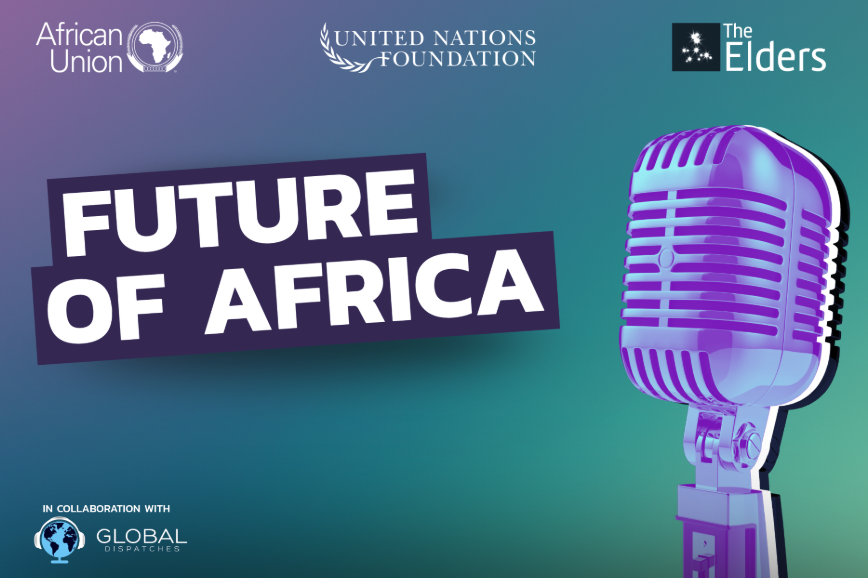
Launched by the African Union Youth Envoy, the United Nations Foundation, and The Elders in collaboration with The Global Dispatches Podcast.
NEW YORK, USA 12 August 2025 -/African Media Agency (AMA)/-The United Nations Foundation today announced the launch of Future of Africa, a new podcast series that amplifies young African voices in global policy conversations. Future of Africa is co-hosted by the African Union Youth Envoy, the UN Foundation and The Elders, in collaboration with the Global Dispatches Podcast.
This limited-series podcast, presented by Kenyan media personality Adelle Onyango alongside Mark Leon Goldberg, brings together young changemakers and global leaders, exploring the global challenges and opportunities shaping the world today — and Africa tomorrow.
Through a mix of personal storytelling and policy dialogue, the podcast tackles issues ranging from climate justice and financing for development to trust in democratic institutions and the future of education. As multilateralism faces a crisis of trust and relevance, Future of Africa offers a fresh model. By platforming conversations between global leaders and young African changemakers, the series explores how human stories can disrupt conventional thinking, build empathy across borders, and forge shared purpose around urgent global challenges.
“As the world’s youngest continent, Africa holds the key to shaping the global future,” said Harshani Dharmadasa, Senior Director at the UN Foundation. “The Future of Africa podcast elevates the bold ideas, lived experiences, and leadership of young Africans already driving change from the grassroots to global platforms.”
The podcast is a signature output of the Panel of the Future, an initiative of the African Union Youth Envoy that convenes young leaders advocating for inclusive, youth-centered policymaking. Each episode pairs these emerging voices with statespeople and global policy experts in unscripted, intergenerational conversations designed to share innovative ideas and practical solutions with listeners.
“I’ve seen powerful ideas buried in reports that many people will never read. This podcast is about amplifying the voices of young Africans who are building a new future for our continent and the world,” said Chido Mpemba, Advisor to the African Union Commission Chairperson. “This series is a reminder that stories, especially when led by young people, can humanize global challenges, challenge outdated assumptions, and help reimagine how international cooperation works for the next generation.”
This podcast brings young people’s energy into direct dialogue with the institutions shaping our continent and our world. Guests include:
Juan Manuel Santos, former President of Colombia, Nobel Peace Prize laureate
Chido Mpemba, formerly the African Union’s Special Youth Envoy and currently the Advisor to the African Union Commission Chairperson focused on Women, Gender and Youth
Minister Serigne Mbaye Thiam, Chair of the Global Partnership for Education (GPE) and Minister of Education of Senegal
Ms. Tina Muparadzi, Executive Director for the Education and Transitions programming platform at Mastercard Foundation’s Education, Learning & Youth Livelihood Team
Ms. Graça Machel, First Education Minister of Mozambique, Co-founder of the Elders
Launching on International Youth Day, August 12, 2025, the first season of Future of Africa features seven episodes:
1. Africa’s Role on the Global Stage (Aug 12)
A high-level conversation on Africa’s growing diplomatic power, inclusive governance, and how a new generation is shaping international relations.
2. Climate, Peace and Security Nexus (Aug 19)
Exploring how climate stress fuels insecurity — and how Indigenous knowledge, diplomacy, and gender equity can drive peace.
3. Global Partnerships and Delivering on Finance (Aug 26)
What does meaningful financing for Africa look like after the Fourth International Conference on Financing for Development? These guests unpack real commitments, youth agency, and equitable global finance.
4. The Trust Deficit (Sep 2)
Addressing the erosion of trust in governance, this episode highlights how inclusive leadership, electoral integrity, and youth-led civic renewal are essential to rebuilding trust.
5. Educating the Next Generation (Sep 9)
From school systems to startups, this episode examines how Africa can equip young people with the skills needed to shape the future economy.
6. Women on the Rise (Sep 16)
In honor of Beijing+30, this episode celebrates women and girls leading change, and explores policy and investment as tools to unlock their full potential.
7. Vaccines, Progress, Potential (Sep 18)
This episode highlights how vaccines have transformed public health in Africa and what’s next for regional manufacturing, equity, and youth leadership in immunization.
Co-created by the African Union Youth Envoy and the United Nations Foundation, and produced in collaboration with The Elders and Global Dispatches, Future of Africa is a new model for intergenerational, intercontinental dialogue. It translates complex policy issues into accessible, story-driven formats that resonate with youth audiences while informing global decision-makers.
The podcast will be available on Spotify, Apple Podcasts, and other major streaming platforms.
About the Partners
The African Union Office of the Youth Envoy (AU-OYE) works to promote, empower, and engage youth in the continent’s development through leadership, policy, and advocacy. The Panel of the Future is one of its flagship initiatives to embed youth voices in Africa’s multilateral future.
The United Nations Foundation has built novel innovations and partnerships to support the United Nations and help solve global problems at scale for over 25 years. As an independent charitable organization, the Foundation was created to work closely with the United Nations to address humanity’s greatest challenges and drive global progress.
The Elders is an independent international non‑governmental organisation founded by Nelson Mandela in 2007. Comprising former heads of state, Nobel laureates, and human rights champions, they use their collective integrity, global standing, and moral courage to address the planet’s most urgent crises, free from national or political constraints
Global Dispatches Podcast is a long-running, award-winning international affairs show hosted by journalist Mark Leon Goldberg. With a global audience of diplomats, policymakers, and engaged citizens, it explores trends and ideas shaping the world.
Africa CEO Forum 2025: Navigating Energy, AI, and Infrastructure for Africa’s Future
Held on May 12–13, 2025, in Abidjan, the 12th edition of the Africa CEO Forum brought together over 2,800 leaders, including six African heads of state, to deliberate on the continent’s development trajectory. Key discussions centered on energy strategies, technological advancements, and infrastructure development.
Nuclear Energy: A Strategic Pillar for Africa’s Development
At the Africa CEO Forum 2025, nuclear energy emerged as a focal point in discussions about Africa’s energy future. Loyiso Tyabashe, CEO of South Africa’s Nuclear Energy Corporation (Necsa), emphasized the necessity of integrating nuclear power with renewable sources to ensure a stable and affordable energy supply.
“Nuclear provides baseload power essential for industrialization,” Tyabashe stated. He highlighted the cost-effectiveness of nuclear energy, citing South Africa’s experience with its two nuclear units in Cape Town as among the cheapest electricity sources. Moreover, he underscored the environmental responsibility of nuclear power in reducing carbon emissions.
Addressing concerns about radioactive waste, Tyabashe assured that Necsa has maintained comprehensive records of all waste since the operation of its research reactor in 1965 and power reactor in 1984. “We can account for all the waste we’ve produced,” he affirmed.
The potential of Small Modular Reactors (SMRs) was also discussed. Tyabashe noted that SMRs promise quicker deployment and lower capital costs, making them suitable for countries with smaller power grids. “It’s not a one-size-fits-all; we need to match generation technology to each country’s grid stability,” he explained.
Looking ahead, Necsa plans to develop nuclear fuel from raw uranium, leveraging South Africa’s and the continent’s uranium resources. Additionally, the corporation aims to build SMRs and explore multiple applications of research reactors, including power generation and isotope production for medical use.
The forum’s discussions reflected a growing consensus on the role of nuclear energy in Africa’s sustainable development. A poll conducted during the event indicated that 73% of attendees viewed nuclear as a viable energy solution for the continent.
As artificial intelligence (AI) reshapes global economies, Africa seeks to establish its own regulatory pathways. At the forum, experts debated models suitable for the continent, balancing innovation with sovereignty and local realities.
Franck Kié, founder of the Cyber Africa Forum, highlighted the progress made: “Several countries, including Benin and Rwanda, have adopted national AI strategies. The African Union also initiated a continental approach in 2024.”
Catherine Muraga from Microsoft Africa Development Center emphasized inclusivity: “We’re developing tools in Kiswahili, Amharic, Yoruba… to ensure no one is excluded. Africa has nearly 2,000 languages.” She stressed that responsible AI involves integrating security and privacy from the design phase.
The consensus underscored the urgency for Africa to accelerate its governance and investments in AI to avoid dependency on foreign technological decisions.
Infrastructure: The Backbone of Africa’s Industrialization
Infrastructure development remains pivotal for Africa’s industrial growth. At the forum, discussions centered on enhancing logistics, energy access, and connectivity to transform value chains.
Mohammed Diop, Deputy CEO Africa for AGL, pointed out the challenges: “In Africa, up to 30-40% of products are lost at the farm gate. We’re working on projects in Senegal and other countries to establish specialized warehouses near farms to reduce agricultural losses.”
Private sector initiatives, like AGL’s annual investment of €600 million in Africa, showcase the commitment to infrastructure improvement. However, energy remains a significant hurdle. In response, Schneider Electric signed strategic agreements with 3MD Energy and SmartEnergy to develop local industrial electrification solutions, integrating local production and digitalization.
These partnerships aim to secure energy access and generate employment, aligning with the objectives of the African Continental Free Trade Area (AfCFTA) to boost intra-African trade. For sustainable industrialization, states must streamline regulations, attract financing, and connect remote areas, ensuring that Africa fully leverages its resources.
Experts in emerging technologies have called for upskilling and reskilling in the use of artificial intelligence (AI) within academia in Africa. The call comes as the AI revolution is underway, with tremendous potential to transform digital economies, including those in the Global South.
Speaking at the Deep Tech Summit in the university town of Benguerir, Morocco, Khalid Badou, Chief of Staff and Director of Institutional Affairs at UM6P (Mohammed VI Polytechnic University), said that as AI becomes inevitable, it is important to adopt and adapt it to meet the needs of the education sector while establishing the necessary policies and regulations to ensure its ethical use.
According to Badou, UM6P has become the first university on the continent to adopt Openai’s ChatGPT and is already seeing the impact of using this transformative tool, once feared by many for its potential to disrupt academia and the education sector.
However, Badou believes that while UM6P is pioneering in this field, the African education sector as a whole has a significant opportunity to seize.
“Across the world, everyone is starting from the same point; everyone is discovering what AI can do, how to manage it, and trying to understand how it will impact our daily lives—in industry, in universities, and beyond.”
“Today, we’re all leapfrogging at the same time. This presents an opportunity not just for us, but for everyone,” he added.
AI innovation can be transformative for Africa
The summit, themed “Redefining Progress: How AI is Transforming Innovation in Deep Tech,” aimed to explore and encourage collaborative AI experiences through brainstorming sessions and the testing of new ideas.
Badou said that with the many benefits of deep tech, spanning health, fintech, and agriculture, AI can become a key driver of socio-economic development in Africa.
“Africa should not wait for others to draft a code of conduct on AI covering various aspects before embracing it; it must create its own,” he emphasised.
Many experts and analysts in the tech sector also pointed out that with the continent’s digitally savvy youth population, AI has the potential to be just as transformative for Africa as infrastructure investments, especially in areas like food security and healthcare.
Last year, the United Nations Development Programme (UNDP) estimated that AI is expected to contribute $15.7 trillion to the global economy by 2030. However, only 10% of that contribution is expected to be felt in the Global South.
Jalal Charaf, Chief Digital and AI Officer at UM6P, believes this figure could be much higher if structural infrastructure gaps were addressed.
Governments and responsible organisations need to provide greater access to infrastructure. If more people have internet access, they already have a large part of the tech infrastructure needed to test and use AI,” he said.
Internet access and connectivity
According to the latest 2024 data from GSMA on the state of mobile internet connectivity, only 30% of Africans used mobile internet in 2023, while a mobile broadband network covered 59% of the continent’s population.
This makes Africa the continent with the largest usage gap and the largest coverage gap globally—15%—which, according to experts, must be addressed to unlock AI’s potential and adopt its solutions.
“We also need another kind of infrastructure: intellectual infrastructure. If African leaders do not understand AI, it will show. They are responsible, and they must educate and upskill themselves to drive results,” said Charaf.
At the institutional level, the African Union (AU) says it is working to build on the momentum generated so far in the emerging sector and sets standards for data sovereignty.
The continental AI strategy calls for unified national approaches among AU member states to navigate the complexities of AI-driven change.
Lavina Ramkissoon, AU Ambassador for AI, Ethics, and Digital Transformation, says that despite the growing momentum, more commitment and bolder political will are needed at the in-country levels to ensure effective implementation of AI policies.
“Africa must unite and define what AI means for the continent, just as we have seen in China, the US, and EU regions,” she said.
As outlined in its AI Plan of July 2024, the AU aims to “create a regional fund for the responsible development of AI by mobilising regional and international development funds, along with private and philanthropic investments.”
In April, around 52 nations signed a declaration announcing the creation of a $60 billion AI fund at the Global Summit on Artificial Intelligence for Africa, held in Kigali, Rwanda.
However, details about its governance, spending, and deployment are yet to be disclosed.
Nearly 150,000km² of seafloor surveyed across the Mozambique Channel, Madagascar Ridge, Agulhas Plateau, and Cabo Verde
69 scientists from 31 countries and 29 institutions successfully conducted deep-sea dives, geological and biodiversity sampling, and oceanographic research in seven key regions around the African coastline
306 students, educators, and early-career professionals from across Africa and the world engaged through training, outreach, and capacity sharing initiatives on the OceanXplorer research vessel
Early Career Explorers Aghogho Kolawole-Daniles and Omaima Mouiret working on their independent research in the DNA lab on OceanXplorer off the coast of West Africa
JOHANNESBURG, South Africa, 9th May 2025 -/African Media Agency(AMA)/ – A transformational joint exploration led by OceanX and OceanQuest has officially concluded the ‘Around Africa Expedition’, a major ocean research and capacity-sharing mission advancing deep-sea research, oceanographic mapping, and scientific collaboration across Africa’s coastal waters.
The expedition navigated critical marine regions, starting from Moroni (Comoros Archipelago) and navigating through the Mozambique Channel, the southern Madagascar Ridge (Walters Shoal), Agulhas Plateau (Africana Seamount), Cape Town (South Africa), the Benguela Current System in the southeastern Atlantic, Walvis Bay (Namibia), Mindelo and the Nola Seamounts in Cabo Verde, and ending in Las Palmas de Gran Canaria in the Canary Islands (Spain).
Conducted between January and April, the expedition delivered significant insights and new valuable data about Africa’s marine ecosystems, surveyed vast areas of previously unexplored seafloor, and strengthened Africa’s leadership in ocean science through international collaboration and capacity sharing.
Scientists handle a sample from the sub in the wet lab
Expedition Scope and Key Achievements
Researchers conducted extensive fieldwork including remotely operated vehicle (ROV) dives, oceanographic sampling, biodiversity surveys, and high-resolution seafloor mapping, unlocking new insights into Africa’s marine ecosystems.
OceanXplorer, the expedition’s advanced research vessel, completed eight ROV dives, totalling 21 hours underwater, including the first-ever visual surveys of the deep flanks of Walters Shoal and a newly mapped seamount at the southern Madagascar Ridge, as well as the Nola seamounts off Cabo Verde. Submersibles Neptune and Nadir executed nine dives, collecting 41 biological and geological samples across 32 hours of deep-sea exploration.
In total, nearly 150,000km² of seafloor was mapped across regions including the Madagascar Ridge, Agulhas Plateau, and Cabo Verde’s Nola Seamounts, providing vital data for deep ocean science and discovery, marine spatial planning, and conservation opportunities. “This is not just a scientific achievement, but a continental one,” says Vincent Pieribone, co-CEO and Chief Science Officer for OceanX. “The knowledge gained here belongs to Africa and will benefit research and scientific communities for generations to come.”
Group photo of the Young Explorers and OceanX Crew on the OceanXplorer, off the Coast of Southern Africa
Key Findings During the ‘Around Africa Expedition’
Two segments of the expedition were dedicated to deep-sea missions, designed to advance the understanding of the biological, geological, and oceanographic processes shaping the seafloor and ecosystems of the Southwest Indian Ocean and the eastern Atlantic. By investigating remote seamounts, surveying deep habitats, and analysing ocean dynamics, the teams generated critical baseline data to support marine conservation, sustainable resource management, and adaptation to climate change impacts.
As African nations increasingly recognise the critical importance of healthy ocean ecosystems for economic development, environmental security, this research provides essential knowledge and tools to inform more sustainable marine governance across the continent.
Key outcomes included:
The high-resolution mapping of seamounts and the surrounding seafloor, vital for fisheries, biodiversity, and habitat protection
Detailed analysis of ocean currents to better understand regional climate patterns
Analysis of marine microbes and aerosols, which play key roles in ocean food chains, carbon storage, and climate regulation, contributing critical data to global ocean health research
“The opportunity to conduct deep-sea research alongside an international team, with African scientists leading key legs, was a turning point,” said Dr. Lara Atkinson, Marine Offshore Scientist at NRF-SAEON. “For many of us, it was the first time we had access to this level of deep-sea technology and interdisciplinary collaboration among so many nations.”
“Being part of this expedition felt like reclaiming our own narrative in ocean science,” said Dr. Yara Rodrigues, Executive Vogal at Instituto do Mar. “We weren’t just collecting data, we were shaping the future of marine knowledge in Africa, based on our needs, in our waters.”
Their involvement was part of a broader collaboration between OceanX, OceanQuest, and leading African institutions. These included the National Research Foundation – South African Environmental Observation Network (NRF-SAEON), the University of Cape Town (UCT), the South African National Biodiversity Institute (SANBI), the Instituto do Mar (IMar) in Cabo Verde, the Ocean Science Center Mindelo (OSCM), and the Universidade Técnica do Atlántico (UTA). This strengthened scientific partnerships and promoted data sharing across the continent.
“These collaborations are the future of ocean science in Africa,” said Pieribone. “We’ve seen what’s possible when scientists, governments, and regional institutions align behind a common purpose-advancing knowledge, access, and opportunity.”
Researchers arriving aboard the OceanXplorer in Comoros, East Africa, pose for a photo on deck with the OceanX crew
Science Diplomacy and Regional Leadership
The expedition also marked a series of significant diplomatic milestones, with visits from South Africa’s Minister of Environment, Forestry and Fisheries Dion George and Minister of Tourism Patricia De Lille, Cabo Verde’s Minister of the Sea Jorge Santos and the President of the Republic of Cabo Verde, José Maria Neves. As Patron of the United Nations Decade of Ocean Science for Sustainable Development, President Neves reaffirmed Cabo Verde’s strong commitment and leadership in advancing ocean knowledge, marine conservation, and sustainable blue development.
‘These high-level engagements’, says Martin Visbeck, Chief Executive Officer of OceanQuest, ‘underscored regional commitment to ocean science and sustainability, enhanced cooperation across the continent, and demonstrated both Africa and Cabo Verde’s growing leadership in addressing the most pressing challenges facing our oceans.’
Local scientist Yara Rodrigues from IMar and OceanX Science Program Director, Mattie Rodrigue, process a sample of a coral colony full of brittle stars, Cabo Verde
Capacity Sharing and Education
A major pillar of the expedition, focused on strengthening African scientific and technical capacity through targeted education and professional development programmes. Led by OceanX education, the expedition was structured around three core components. These included two deep-sea science legs focused on seamount research, two youth-led investigator legs, and two ECOP training legs.
The mission featured outreach programmes at port stops to engage local communities:
Early Career Explorers (ECEs) Programme: 27 Early Career Ocean Professionals (ECOPs) from across Africa, including Ghana, Kenya, Namibia, Nigeria, South Africa, Mozambique, Angola, Cabo Verde, Tunisia, Morocco, and Tanzania, took part in multi-day, on-ship education programmes between Walvis Bay, Mindelo, and Las Palmas, gaining hands-on experience in oceanography, bathymetry, and environmental DNA (eDNA) analysis. Participants were selected by the Partnership for the Observation of the Global Ocean (POGO) through a programme jointly run by OceanX, OceanQuest, and POGO.
Young Explorers: 29 university students who are interested in future ocean-related careers joined the multi-day, on-ship education programs from Maldives to Comoros and from Cape Town to Walvis Bay, learning about the multi-disciplinary career paths that can support ocean health and sustainability.
Science-Leg ECOP Participation: Four African ECOPs were embedded within research science legs, contributing directly to fieldwork in South African and Cabo Verdean waters.
Portside Ship Tours: 246 students and educators participated in shipboard tours and outreach events across Cape Town, Mindelo, and Las Palmas, introducing new generations to marine science careers and ocean stewardship.
Total engagement: 306 students, educators, and early-career professionals were reached through the expedition’s training and outreach programs.
“This wasn’t just about what we discovered in the ocean. It was also about who we empowered on the ground,” adds Martin Visbeck, CEO of OceanQuest. “By working together across borders, we have made this kind of world-class science possible right here in African waters and led by African scientists.”
The OceanX and OceanQuest Around Africa Expedition is officially endorsed by the United Nations Decade of Ocean Science for Sustainable Development for its contributions to capacity sharing and scientific understanding of the ocean, providing valuable data for science and science-based ocean governance.
Next Steps
Although the expedition at sea has concluded, analysis of the collected data has only just begun. Scientists across Africa and globally will use the expedition’s findings to:
Inform environmental and ocean management policy
Support fisheries regulation and marine conservation, and
Strengthen Africa’s leadership in ocean science and sustainable development
“This is just the start,” said Pieribone. “We’ve built the foundation for a new age of African-led research, and now the real impact begins. Our goal is that the discoveries made, and the partnerships formed during this expedition will continue to shape policy, support conservation efforts, and inspire the next generation of ocean explorers.”
A full list of NGO, education, and government partners across the region and mission leg follows below:
Mindelo, Cabo Verde
Instituto do Mar (IMar), the Ocean Science Center Mindelo (OSCM),Instituto de Engenharias e Ciências do Mar (ISECMAR) – Universidade Técnica do Atlântico, Centro Universitário Cidade Verde (UniCV), Universidade do Mindelo, Escola Salesiana de Artes e Ofícios (Ilha de São Vicente), Escola Secundária Januário Leite (Ilha de Santo Antão), Escola Técnica João Varela (Ilha de Santo Antão).
Cape Town, South Africa
SANBI, National Research Foundation, Department of Forestry, Fisheries and Environment, South African Environmental Observation Network (SAEON) – Science for Kids and Global Blue Schools Network, University of Cape Town, University of Western Cape, Stellenbosch University, Cape Peninsula University of Technology
Las Palmas, Canary Islands, Spain
Oceanic Platform of the Canary Islands (PLOCAN), Consejeria de Educacion (Canary Islands Regional Government), IES Profesor Antonio Cabrera Pérez, ITS Jozef Stefan.
Global
UN Ocean Decade – Endorsed Decade Actions, Partnership for Observation of the Global Ocean (POGO), Ocean Biomolecular Observing Network (OBON), Challenger 150, Deep-Ocean Stewardship Initiative (DOSI)
Regional
Partnership for Atlantic Cooperation, African Network of Deep-water Researchers, Challenger 150
United States
City College of New York (CCNY), Columbia University Climate School – Lamont-Doherty Earth Observatory (LDEO), US National Oceanic and Atmospheric Administration (NOAA), US National Aeronautics and Space Administration (NASA), US State Department, US Office of Naval Research (ONR), Woods Hole Oceanographic Institution (WHOI)
Route-Specific Partnerships by Country/Transit locations:
Comoros to Cape Town, South Africa
National Research Foundation – South African Environmental Observation Network (NRF-SAEON), South African National Biodiversity Insitute (SANBI), South African National Space Agency (SANSA), National Research Foundation – South African Institute for Aquatic Biodiversity (NRF-SAIAB), University of Cape Town (UCT), University of KwaZulu-Natal, Université de Toliara – Institut D’Enseignement Supérieur D’Anosy (IES-Anosy) – Madagascar, Université de Toliara – Institut Halieutique et des Sciences Marines (IHSM) – Madagascar, Ministry of Foreign Affairs, Republic of Madagascar, Universidade Lúrio – Mozambique, Wildlife Conservation Society (WCS) – Mozambique, Universidade Federal do Espírito Santo (UFES) – Brazil, Kenya Marine and Fisheries Research Institute (KMFRI) – Kenya, Universidade de Aveiro – Portugal, King Abdullah University of Science and Technology (KAUST) – Kingdom of Saudi Arabia, Columbia University – Lamont-Doherty Earth Observatory (LDEO) – USA, Challenger 150
Namibia – Cabo Verde; Cabo Verde Science
Instituto Do Mar (IMar), Campus do Mar, Universidade Técnica do Atlântico (UTA), Campus do Mar, Ocean Science Center Mindelo (OSCM), GEOMAR Helmholtz Centre for Ocean Research – Germany, King Abdullah University of Science and Technology (KAUST) – Kingdom of Saudi Arabia, South African National Biodiversity Insitute (SANBI) – South Africa, Universidade do Vale do Itajaí (UNIVALI) – Brazil, US National Aeronautics and Space Administration (NASA), Partnership for Observation of the Global Ocean (POGO)
Cabo Verde – Las Palmas de Gran Canaria
Plataforma Oceánica de Canarias (PLOCAN), Universidad de Las Palmas de Gran Canaria (ULPGC), GEOMAR Helmholtz Centre for Ocean Research – Germany, Columbia University Climate School – Lamont-Doherty Earth Observatory, US National Aeronautics and Space Administration (NASA), Partnership for Observation of the Global Ocean (POGO)
About OceanX
OceanX is on a mission to support scientists to explore the ocean and to bring it back to the world through captivating media. Uniting leading media, science, and philanthropy partners, OceanX utilizes next-gen technology, fearless science, compelling storytelling, and immersive experiences to educate, inspire, and connect the world with the ocean and build a global community deeply engaged with understanding, enjoying, and protecting our oceans. OceanX is an operating program of Dalio Philanthropies, which furthers the diverse philanthropic interests of Dalio family members. For more information, visit www.oceanx.org and follow OceanX on YouTube, Facebook, Instagram, TikTok, X, and LinkedIn.
About OceanQuest
OceanQuest is a Saudi Arabian not-for-profit foundation, committed to unveiling the wonders of the ocean and exploring its secrets for the benefit of humanity. Its mission is to accelerate ocean discovery, drive innovation in the field, support global cooperation, and excite the public. OceanQuest and its global partners will launch a new era of deep ocean exploration and knowledge sharing. OceanQuest is based in the King Abdullah University of Science and Technology (KAUST) campus in Thuwal, Kingdom of Saudi Arabia. To learn more visit www.OQFoundation.org.
Dr. Ngozi Okonjo-Iweala, GCON, Director General, World Trade Organization and Ms. Yvonne Ike, Managing Director & Head of Sub-Saharan Africa (Ex RSA), Bank of AmericaKanayo Adibe | Photographer
Washington, D.C. 5 May 2025-/African Media Agency (AMA)/- African Business Stories (ABS) convened the third edition of its Roundtable Series during the 2025 World Bank Spring Meetings, hosting a high-level dialogue titled “Leveraging Diaspora Investment for Africa’s Economic Growth.” The event featured WTO Director-General Dr. Ngozi Okonjo-Iweala and other leading African and global voices in development and finance.
Launched in September 2024 on the sidelines of the United Nations General Assembly (UNGA) in New York, the ABS Roundtable Series convenes influential stakeholders to address critical barriers to scaling African businesses — with a focus on closing Africa’s $42 billion financing gap for women-owned enterprises and fostering sustainable growth.
Held at the Washington, D.C. offices of Akin Gump Strauss Hauer & Feld LLP, the ABS Roundtable was made possible through the generous support of Akin LLP, Bank of America, and Moneda Invest Africa. Their partnership underscores a shared commitment to advancing Africa’s economic growth through innovative investment, strategic collaboration, and inclusive development. Bank of America’s partnership in this event reflects its ongoing commitment to sustainable growth and inclusive finance across Africa. The firm continues to support initiatives that unlock capital, scale entrepreneurship, and build resilient financial ecosystems.
Opening keynote speakers President Admassu Tadesse, Group President and Managing Director of Trade & Development Bank, and Mrs. Zainab Ahmed, Executive Director at the World Bank and former Nigerian Minister of Finance, set a powerful tone — challenging participants to move beyond traditional aid models and strengthen Africa’s investment readiness.
A dynamic panel discussion followed, featuring Joan Manda (UNDP Timbuktoo Initiative), Barbara Iyayi (Unicorn Growth Capital), and Chidi Blyden (Culturally Bound), moderated by Kenechi Eze (Moneda Invest). The conversation centered on building trust, creating credible financial vehicles, and transforming Africa’s 44 million SMEs into engines of scalable investment.
President Admassu Tadesse, Group President and Managing Director, Trade and Development Bank Group , Ms. Florie Liser, President & CEO Corporate Council on Africa, Ms. Zainab Ahmed, Executive Director for Nigeria, Angola & South Africa, World Bank Group, Dr. Ngozi Okonjo-Iweala, GCON, Director General, World Trade Organization, Ms. Akaego Okoye, Founder African Business Stories/Convener ABS Roundtable Series and Ms. Yvonne Ike, Managing Director & Head of Sub-Saharan Africa (Ex RSA), Bank of America.Kanayo Adibe | Photographer
The event culminated in an inspiring fireside chat with Dr. Okonjo-Iweala, moderated by Ms. Yvonne Ike, Managing Director at Bank of America and Head of Sub-Saharan Africa (ex-RSA). Addressing a room of investors, policymakers, and entrepreneurs, Dr. Okonjo-Iweala called for a decisive shift away from reliance on foreign aid, urging African countries to mobilize domestic resources, attract private sector investment, and build institutional trust. She emphasized the pivotal moment Africa faces in the global economy:
“Africa’s opportunity lies not in aid — but in adding value, building trust, and using our resources wisely,” said Dr. Okonjo-Iweala.
She stressed that Africa’s critical minerals must be leveraged strategically to drive industrialization rather than perpetuate dependence on raw exports:
“Our critical minerals are in demand — but instead of giving them away raw, we must negotiate smartly, add value locally, create jobs, and become a true hub of global manufacturing and innovation.”
Dr. Okonjo-Iweala also addressed the impacts of global economic shifts — from trade disruptions to shrinking aid budgets — and stressed the urgency of regional collaboration, transparent governance, and strategic investment facilitation to attract both diaspora and global capital.
Closing the session, Dr. Okonjo-Iweala encouraged African entrepreneurs, leaders, and the diaspora to recognize their individual agency:
“Even solving one problem or building one enterprise can have ripple effects across the continent. Everyone has a role to play in building Africa’s future.”
“Events like this roundtable are vital platforms to foster collaboration, deepen trust, and unlock the entrepreneurial potential that exists both within Africa and among its global diaspora,” said Yvonne Ike, Managing Director and Head of Sub-Saharan Africa (ex-RSA) at Bank of America. “It was an honor to join this important dialogue and help shape conversations that will drive long-term impact.”
Participants committed to deepening collaboration with the African diaspora, creating credible financial structures, and expanding access to capital for the continent’s 44 million SMEs—key pillars for long-term growth.
Akaego Okoye, Founder of African Business Stories and Convener of the ABS Roundtable Series, added:
“Diaspora investment is not just about capital; it’s about building ecosystems and reshaping Africa’s economic narrative. We are proud to create a platform where action-oriented conversations drive real change.”
African Business Stories (ABS) is a platform dedicated to unlocking investment for women-led businesses in Africa by telling their stories and connecting them to investors, resources, and key decision-makers. Through storytelling, strategic convenings, and ecosystem-building initiatives, ABS creates high-impact pathways that accelerate the growth and visibility of female entrepreneurs across the continent.
The recent Index of African Governance by the Mo Ibrahim foundation has showed how overall governance performance in Africa has declined in recent years.
Ratings from 2019 revealed how for the first time in a decade there has been general decline in citizens’ participation, human rights, rule of law and security on the continent.
The lack of progress has also been were worsened by the impact of Covid-19, according to the report.
“In terms of Participation, Rights & Inclusion, progress was slowing long before the pandemic, and economic opportunity was set on a positive course of sustained progress,” the reported mentioned.
Last year’s score on governance fell by 0.2 points below that of 2018 but progress has been slowing since 2015.
– –
“This is a testing time for Africa…Citizens’ dissatisfaction and mistrust with governance delivery are growing.
African states have an opportunity to demonstrate both their resolve to safeguard democracy and their ability to drive a new growth model,” said the foundation’s chair Mo Ibrahim.
The researchers however found that a majority of Africans live in a country where governance is better than it was a decade ago.
The 2020 Ibrahim Index of African Governance shows how governance progress in Africa has slowed since 2015. Deterioration in participation, rights, rule of law & security threaten improvements in economic opportunities & human development. What else can the #IIAG tell us??? pic.twitter.com/dh4eaTYfBl
The report noted that “over the last decade, governance dimensions have followed diverging paths.
Only eight countries managed to improve in all four categories over the decade: Angola, Chad, Côte d’Ivoire, Ethiopia, Madagascar, Seychelles, Sudan and Togo.”
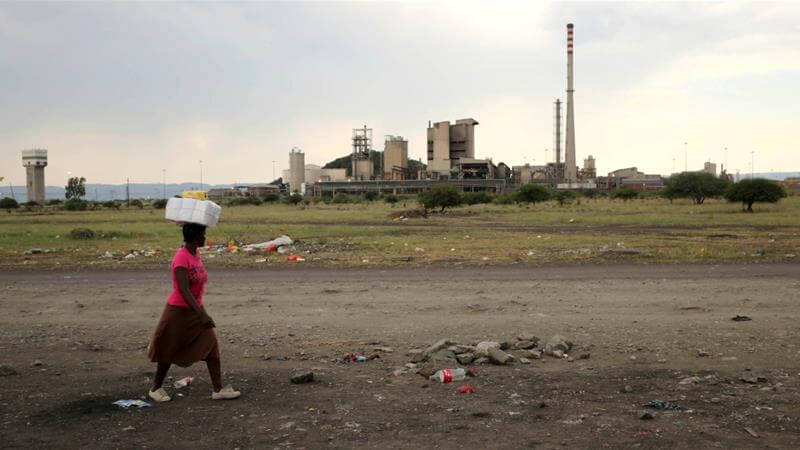
Our climate crisis was not caused by Africa, but Africans will feel the effect more than most others, writes Dearden [Siphiwe Sibeko/Reuters]
It’s time to change the way we talk and think about Africa.
Africa is poor, but we can try to help its people.
It’s a simple statement, repeated through a thousand images, newspaper stories and charity appeals each year, so that it takes on the weight of truth. When we read it, we reinforce assumptions and stories about Africa that we’ve heard throughout our lives. We reconfirm our image of Africa.
Try something different. Africa is rich, but we steal its wealth.
But there’s also $203bn leaving the continent. Some of this is direct, such as $68bn in mainly dodged taxes. Essentially multinational corporations “steal” much of this – legally – by pretending they are really generating their wealth in tax havens. These so-called “illicit financial flows” amount to around 6.1 per cent of the continent’s entire gross domestic product (GDP) – or three times what Africa receives in aid. That’s the essence of a report (pdf) from several campaign groups released today. Based on a set of new figures, it finds that sub-Saharan Africa is a net creditor to the rest of the world to the tune of more than $41bn. Sure, there’s money going in: around $161bn a year in the form of loans, remittances (those working outside Africa and sending money back home), and aid.
Then there’s the $30bn that these corporations “repatriate” – profits they make in Africa but send back to their home country, or elsewhere, to enjoy their wealth. The City of London is awash with profits extracted from the land and labour of Africa.
There are also more indirect means by which we pull wealth out of Africa. Today’s report estimates that $29bn a year is being stolen from Africa in illegal logging, fishing and trade in wildlife. $36bn is owed to Africa as a result of the damage that climate change will cause to their societies and economies as they are unable to use fossil fuels to develop in the way that Europe did. Our climate crisis was not caused by Africa, but Africans will feel the effect more than most others. Needless to say, the funds are not currently forthcoming.
If African countries are to benefit from foreign investment, they must be allowed to – even helped to – legally regulate that investment and the corporations that often bring it.
In fact, even this assessment is enormously generous, because it assumes that all of the wealth flowing into Africa is benefitting the people of that continent. But loans to governments and the private sector (at more than $50bn) can turn into unpayable and odious debt.
Ghana is losing 30 per cent of its government revenue to debt repayments, paying loans which were often made speculatively, based on high commodity prices, and carrying whopping rates of interest. One particularly odious aluminium smelter in Mozambique, built with loans and aid money, is currently costing the country £21 for every £1 that the Mozambique government received. British aid, which is used to set up private schools and health centres, can undermine the creation of decent public services, which is why such private schools are being closed down in Uganda and Kenya. Of course, some Africans have benefitted from this economy. There are now around 165,000 very rich Africans, with combined holdings of $860bn. But, given the way the economy works, where do these people mainly keep their wealth? In tax havens. A 2014 estimate suggests that rich Africans were holding a massive $500bn in tax havens. Africa’s people are effectively robbed of wealth by an economy that enables a tiny minority of Africans to get rich by allowing wealth to flow out of Africa.
So what is the answer? Western governments would like to be seen as generous beneficiaries, doing what they can to “help those unable to help themselves”. But the first task is to stop perpetuating the harm they are doing. Governments need to stop forcing African governments to open up their economy to privatisation, and their markets to unfair competition.
If African countries are to benefit from foreign investment, they must be allowed to – even helped to – legally regulate that investment and the corporations that often bring it. And they might want to think about not putting their faith in the extractives sector. With few exceptions, countries with abundant mineral wealth experience poorer democracy, weaker economic growth, and worse development. To prevent tax dodging, governments must stop prevaricating on action to address tax havens. No country should tolerate companies with subsidiaries based in tax havens operating in their country.
Aid is tiny, and the very least it can do, if spent well, is to return some of Africa’s looted wealth. We should see it both as a form of reparations and redistribution, just as the tax system allows us to redistribute wealth from the richest to the poorest within individual societies. The same should be expected from the global “society”.
To even begin to embark on such an ambitious programme, we must change the way we talk and think about Africa. It’s not about making people feel guilty, but correctly diagnosing a problem in order to provide a solution. We are not, currently, “helping” Africa. Africa is rich. Let’s stop making it poorer.
*Nick Dearden is the director of UK campaigning organisation Global Justice Now. He was previously the director of Jubilee Debt Campaign.
This story was first published by Aljazeera. The views expressed in this article are the author’s own and do not necessarily reflect the editorial policy of either Al Jazeera’s or The Maravi Post.
Malawi breaking news and World News. News about Malawi, Malawi Business, Malawi Tourism, Malawi Politics, Malawi News, World and Africa Top News.

![Africa CEO Forum: What If Africa Set the Rules? [Business Africa]](https://eo4ed7m5zmq.exactdn.com/wp-content/uploads/2025/05/africa-ceo-forum-what-if-africa-set-the-rules-business-africa-scaled.jpg?strip=all&avif=70&sharp=1)