


Cape Town restaurants are becoming aware of the effects of food waste and, as a result, are rethinking how ingredients are sourced, used, and kept out of landfills.
From clever zero-waste kitchens to tech-driven platforms rescuing surplus meals, here are some of the Cape Town players making a real difference.
Turning scraps into solutions
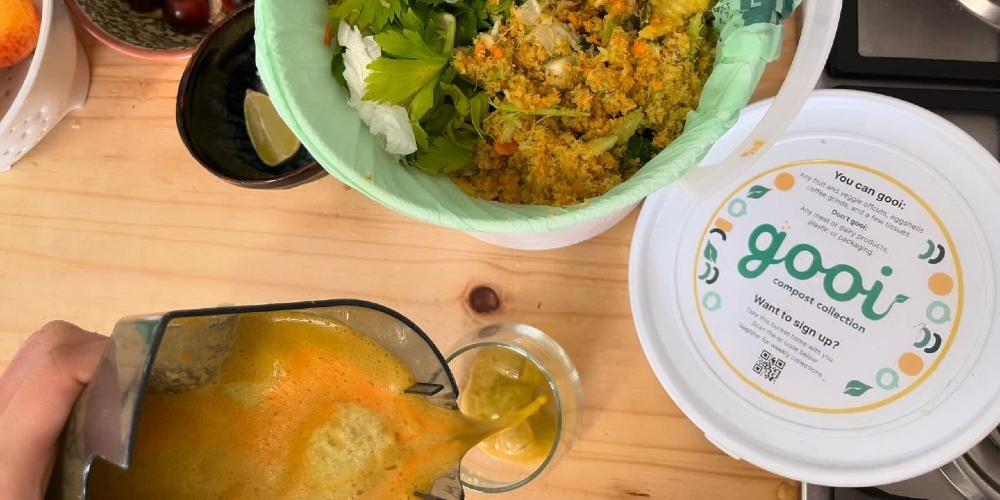
One of the simplest ways to tackle food waste is to keep it out of landfills altogether, and that’s where Gooi comes in. This Cape Town-based initiative collects food scraps from restaurants and households, turning them into compost rather than letting them rot in bins. Its goal is to divert organic waste from landfills. Since 2023, the organisation has collected 17,144 kg of organic waste.
Gooi offers weekly waste collection around Table Mountain, with two subscription models. The Standard model covers the average small household and accommodates up to two 5L bags of kitchen scraps per week. Bigger families, or very avid juicers, may need to move up to the XL package. With this model, you can fill a 25L bucket each week!
Tech that rescues meals
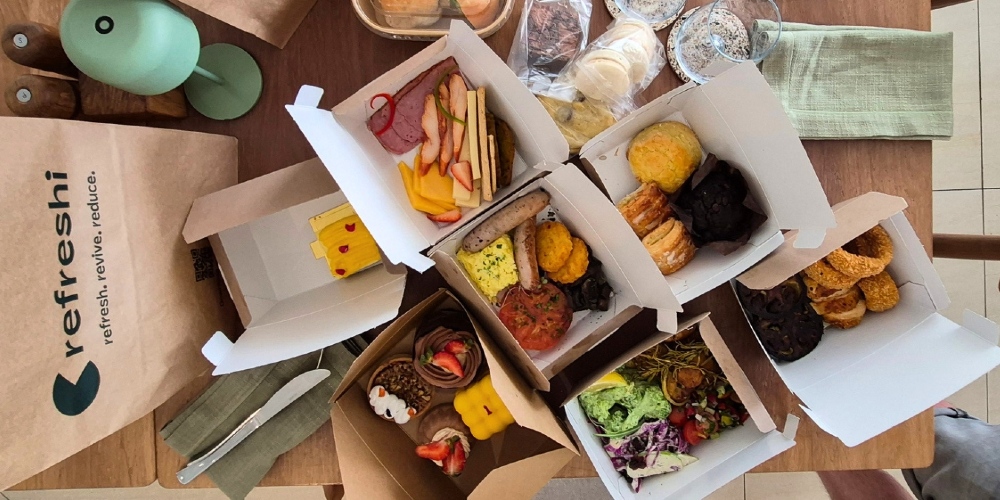
Digital platforms are also stepping up to close the gap between surplus food and hungry customers. Refreshi connects surplus food from grocery stores, coffee shops, bakeries, and restaurants with consumers at discounted prices, helping businesses recover costs while cutting waste. Similar models, such as Last Call and Still Good, are part of a growing movement that uses technology to ensure good food doesn’t go to waste. These platforms are changing how we think about “leftovers”, with plenty of delicious meals for visitors.
Inside a near-zero-waste kitchen
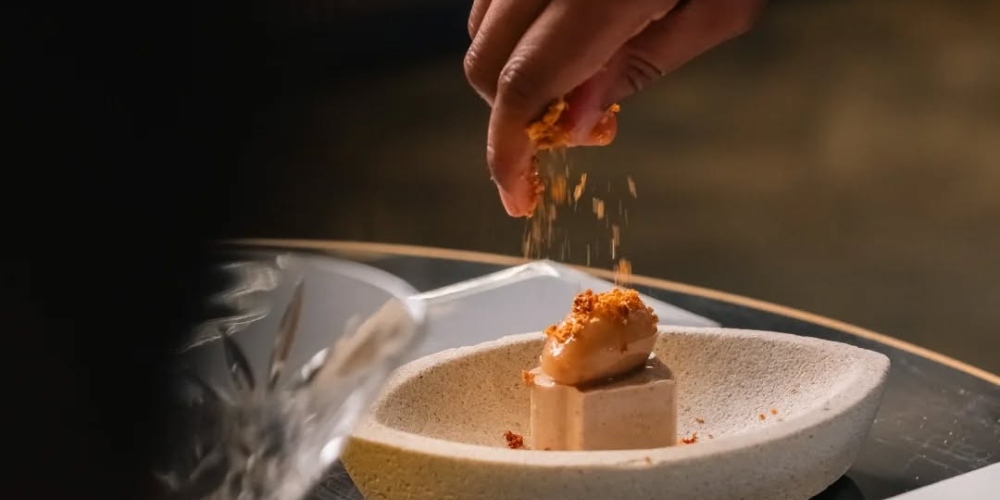
Urchin Restaurant, housed within the Hyatt Regency Cape Town, is among the restaurants making strides to reduce food waste. The team has set an ambitious goal: to get as close to zero waste as possible. In practice, that means rethinking how every ingredient is used. Most peeled vegetables are assigned specific roles: all root vegetables go into stock, all fruit is dehydrated and used for cocktails or mocktails, and other vegetables are dehydrated and used in spice mixes or dusted on plates.
At Urchin, chef Marcus Gericke says minimising waste starts long before a dish hits the plate.
“We order daily to avoid spoilage,” he explains, an approach that keeps ingredients fresh while preventing excess from building up in the kitchen.
“We have an extensive way of preserving food,” Gericke says. “We pickle our onions, make mango atchar, and even tin peaches and apricots for our menu.” Oils are also used to lock in the colour and flavour of vegetables and spices, which are then carried across both the à la carte and Journey tasting menus.
This cross-utilisation is key to reducing waste. “We’ve designed our menus to leverage off each other,” he explains, with offcuts and surplus elements transformed in multiple ways.
At Amura at the Mount Nelson, A @Belmond Hotel, the fight against food waste takes a more ocean-focused approach, guided by the philosophy of acclaimed Spanish chef Ángel León.
He believes that nothing the ocean offers should be discarded. León has spent decades working with underutilised marine species, ingredients often overlooked or thrown away and transforming them into something exceptional. At Amura, that commitment shows up on every plate.
Hake tail offcuts, for example, are reimagined as nduja served with kelp bread, while bycatch species are celebrated daily rather than discarded. It’s a radical shift from conventional seafood menus, where only a handful of “popular” fish typically make the cut.
As León puts it: “I cook fish that nobody else uses, that’s the only way we can save the sea.”
Planting Food Gardens
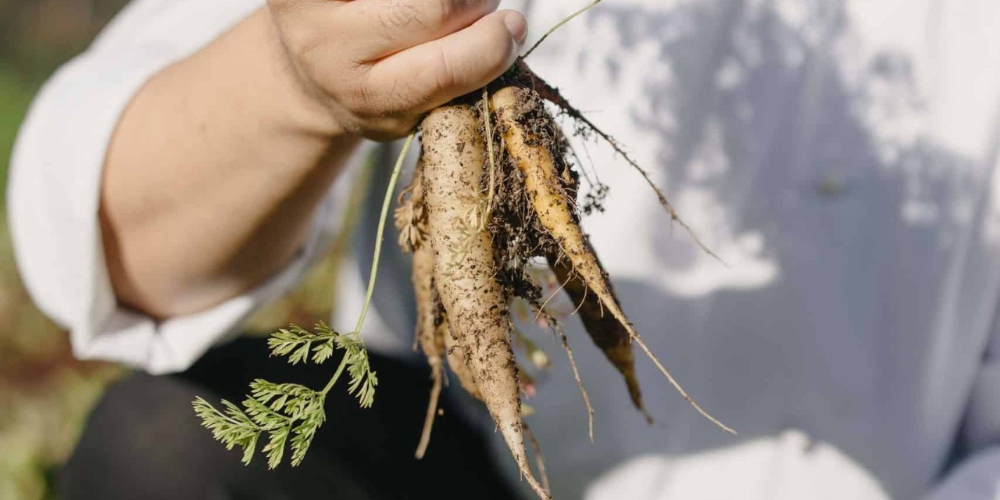
The Spier Food Garden is rooted in regenerative farming principles, with a focus on building healthy soil to grow resilient crops. First planted in 2013 and expanded in 2020 under Megan McCarthy, the garden produces fruits, herbs and vegetables without pesticides or artificial fertilisers. Instead, natural methods such as worm compost, crop rotation and companion planting are used to keep the soil nutrient-rich and productive. Sheep, ducks and chickens move through the garden, naturally fertilising the land and helping to support a balanced ecosystem.
The result is produce that goes straight into the kitchens at The Picnickery, Veld Restaurant, Garden Room at Spier Hotel, other outlets on the farm, ensuring what’s grown is used thoughtfully with minimal excess.
Related Articles
The post Cape Town Restaurants Saving the Planet appeared first on Cape Town Tourism.
