


“But he was pierced for our transgressions, he was crushed for our iniquities; the punishment that brought us peace was on him, and by his wounds we are healed.” — Isaiah 53:5
“Daughter, your faith has healed you. Go in peace.” — Mark 5:34
In a May 2026 article on the Osmosis blog, medical doctor Lynda Malcolm lists 10 top medical advances that have changed medical health delivery for mankind globally. These are as follows:
- Antibiotics: revolutionizing the treatment of infections;
- Vaccines: preventing deadly diseases;
- Anesthesia: transforming surgical procedures;
- X-rays and medical imaging: advancements in non-invasive diagnostics;
- Germ theory: small changes make a big impact;
- Organ Transplantation: saving lives through organ replacement;
- Genetic Engineering: unlocking the secrets of life;
- Heart Surgery: pioneering cardiovascular interventions;
- Antiseptics: enhancing sterilization and infection control; and
Insulin: saving millions of lives daily.
(Copied from www.osmosis.org/blog, on September 16, 2026)
Global Medical research has made these breakthroughs and achievements possible realities and is improving the quality of life for the human race. Such medicines as Paracetamol for headaches, chemotherapy for cancer, and warfarin for thinning the blood to prevent blood clots that could lead to stroke and possibly death have changed the way doctors treat patients; on the other hand, patients are less anxious, knowing medical science has a multitude of options for treating the ailment they have.
I will unpack six of the 10 that I have personally benefited from in my short, almost 72 years living on this planet; these are as follows:
- Antibiotics: revolutionizing the treatment of infections
The discovery of antibiotics was a great breakthrough; they kill or inhibit the growth of bacteria in our bodies. Alexander Fleming discovered antibiotics in 1928. Antibiotics such as penicillin, tetracycline, erythromycin, Bactrim, amoxicillin, and others turned previously fatal bacterial infections such as pneumonia, rheumatic fever, and strep into easily treatable conditions. Because of antibiotics, people with bacterial diseases are living healthier and longer lives.
- Vaccines: preventing deadly diseases
Vaccines train the immune system to recognize and fight off dangerous pathogens. They ward off these diseases before they cause severe illnesses such as tuberculosis, whooping cough, smallpox, measles, polio, COVID, and others. In many parts of the world, such illnesses as polio have been nearly eliminated, saving millions of lives globally.
- Anesthesia: transforming surgical procedures
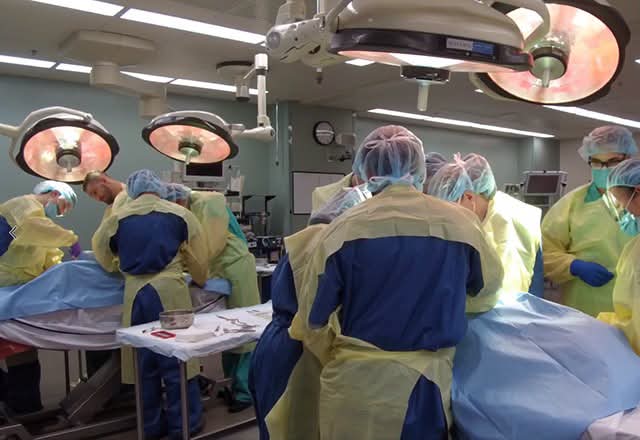
Anesthesia is a major pain blocker, with large doses inducing unconsciousness during short or lengthy medical procedures. The discovery of anesthesia has revolutionized surgery, enabling doctors to perform complex, long, and pain-free surgeries. Such surgeries include heart or kidney transplants and mechanical heart mitral valve replacements.
- X-rays and medical imaging: advancements in non-invasive diagnostics
Medical imaging is a non-invasive technique. MRI, ultrasound, or X-rays let medical personnel view inside the human body using pain-free technology. Imaging procedures have replaced previously used guesswork. The technology permits doctors to undertake precise internal diagnostics; it also enables early detection of fractures, tumors, and internal bleeding.
- Heart surgery
South African surgeon Dr. Christiaan Barnard performed the first human-to-human heart transplant at Groote Schuur Hospital in Cape Town. The five-hour operation began on December 2 and ended on December 3, 1967. Technically a successful undertaking that is studied by medical students globally, the patient died 18 days later of pneumonia due to complications attributed to immunosuppressive drugs that the doctors used to prevent organ rejection.
Because the American Heart Association has placed heart disease at the top of modern medical ailments, there has been a lot of research and money poured into this sector of human ailments. To this end, in the last 25 years, doctors have developed, among others, a variety of non-invasive cardiac procedures to treat heart disease. In some cases, doctors have used robotics to assist in cardiac procedures.
In these modern times, people no longer fear open-heart surgeries as they were in the past. Surgery times have been lessened, patient comfort improved, and recovery times reduced. There are approximately 1 to 1.5 million cardiac surgical procedures that take place each year. These extend the lives of people with heart disease. Furthermore, doctors have performed coronary artery bypass grafting (CABG) on millions of patients; this has drastically reduced deaths from coronary artery disease.
Today, I am alive and well due to a mechanical mitral valve replacement undertaken in 2011 at the New York Presbyterian Hospital. Before the operation, I was losing oxygenated blood meant to go through my body, but due to the faulty valve (seen in an MRI image), much of it was going back into my heart. The valve replacement put a stop to the blood returning.
And
- Organ Transplantation: Lives saved through organ replacement
Joseph Murray performed the first successful kidney transplant in 1954. By 1968, surgeons had moved on to pancreas, liver, and heart; and in 1981, the first lung transplant. By September 2022, American surgeons had completed 1 million transplants, performing 40,000 transplants annually. These have extended lives as well as improved the quality of life for numerous patients.
Around the world, doctors perform 150,000 organ transplants each year. It is on the record that one donor can save up to 8 lives through organ donation.
In the words of the iconic musician Louis Armstrong, in his 1967 chart-topping song, “What a Wonderful.

Leave a Reply