


By Leo Igwe, Ph.D
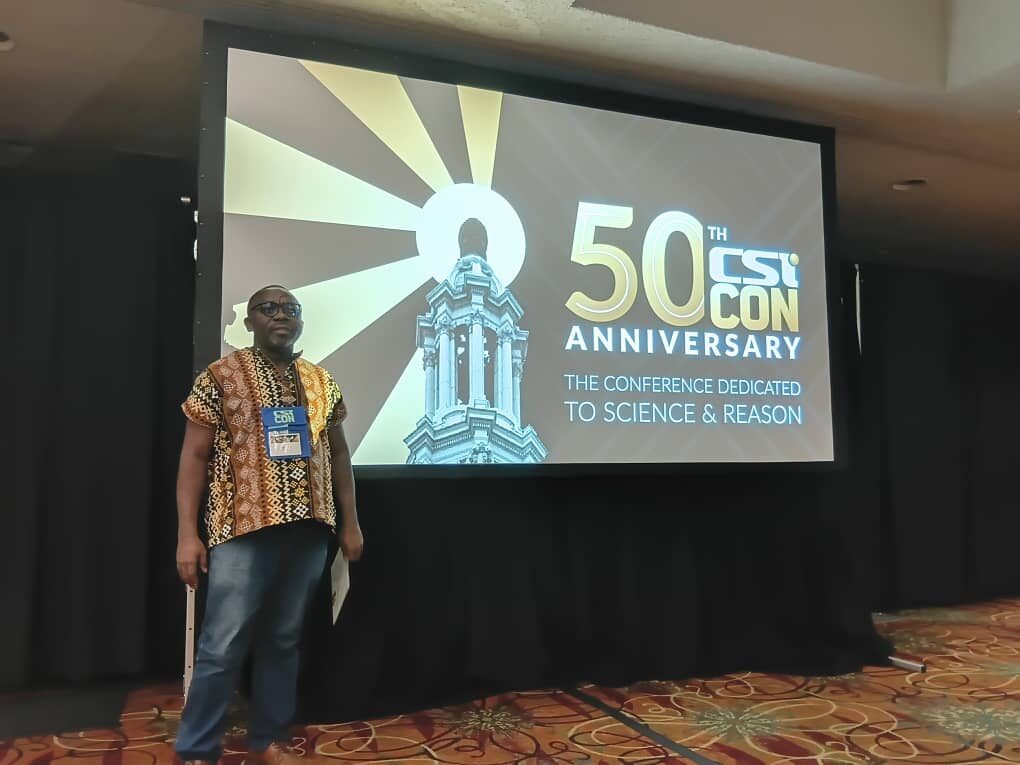
The 50th CSICON Anniversary conference is an opportunity to re-interrogate and re-present Africa. This event offers a potent reason and space to challenge magical, paranormal, and occult ideas, which Western anthropologists and their African allies have persistently impressed on the world. This biased, stereotypical notion of Africa, this imbalanced and one-sided view of the ‘society,’ valorizes the exploits of magic, the efflorescence of superstition, discounting rationalist moments, sentiments and commitments, minimizing efforts and initiatives by skeptical individuals and groups to foster science and critical thinking.
This intriguing image of Africa finds its latest codification in the quest for indigenous knowledge, a project funded by Western institutions and foundations with renewed interest in the noble savage image of the African. The indigenous knowledge program has consigned most African and Africanist students and scholars to searching and researching the past, rehashing, recycling, and romanticizing African “primitives” in furtherance of ‘knowledge production’, or alternative epistemologies to ‘modern science and philosophies’ of the West. Funders and facilitators of indigenous knowledge quest, treacherously opposed to the emergence of Africa, do not want the African continent to develop or realize a civilization, an enlightenment, with a global dimension.
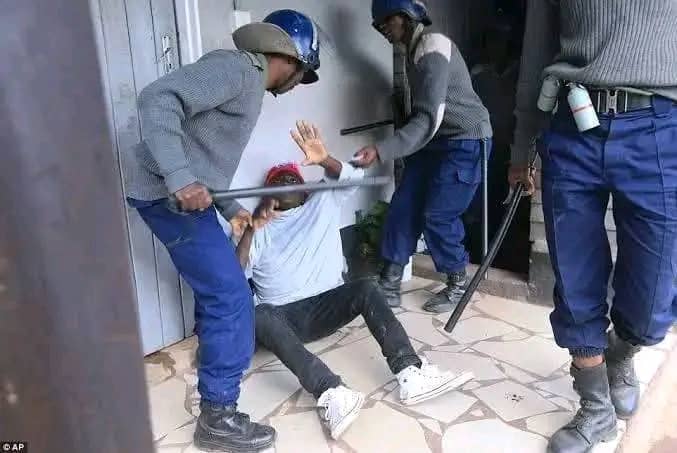
Do not get me wrong. Witchcraft and magical ideas manifest in Africa. Ritualistic beliefs and practices are widespread. Abuses linked to superstition and irrationalism are rampant. As was the case in many parts of the western world centuries ago, witch hunts rage with force and ferocity in Ghana, Kenya, Zambia, Malawi, and also in my country, Nigeria. Witchcraft accusation is a form of a death sentence. And alleged witches, including women, children, and people with disabilities, are treated without compassion. Accused persons have been attacked, killed, and sometimes buried alive. Some accused persons have taken their lives out of frustration and despair.
People accused of ‘penis theft’ are subjected to trial by ordeal and mob violence. Persons living with or without albinism have been targeted and abused. Those who believe that their body parts are magically potent and can yield money or prosperity subject them to horrific abuses. Unfortunately many educated Africans, including members of the academia living and working in Europe and America, rationalize these practices; they defend witchcraft, magic and ritualistic nonsense as a part of African ‘science’ or ‘philosophy’.
Incidentally, not much attention has been paid to efforts by skeptical individuals or groups, such as Advocacy for Alleged Witches, that promote reason and combat harmful superstitions. Skeptical Africa is seldom of interest to those who study and explain African societies and communities. Meanwhile, skeptical rationality holds much hope, light, and promise for Africa because dogma and irrationalism cause so much darkness and destruction. Superstition is wreaking havoc in too many lives.
Founded in 2020 and guided by the vision to make witch hunting history by 2030, AfAW works and campaigns to end impunity in witch persecution and hold witch hunters accountable and responsible. It empowers alleged witches, filling in the gaps in efforts to combat abuses linked to witchcraft beliefs and ritual attacks.
In the past five years, AfAW has recorded significant success and progress in various areas. It has worked to reintegrate and rehabilitate victims and survivors. AfAW has provided emergency shelters and psychosocial support to alleged witches. It has facilitated police intervention, hired lawyers, and ensured representation of the accused in court. AfAW has supported the medical treatment of victims and survivors. In addition, AfAW works to educate and reorient minds because ending witch hunts entails a shift in mindset and cosmology. It has organized town hall meetings, seminars on campuses, and media programs to reason people out of their superstitious beliefs and misconceptions. AfAW works with schools and educational bodies to introduce the teaching of critical thinking and philosophy for children as a subject. It campaigns to equip children with mental skills and habits that help them combat extremist ideologies, misinformation, and disinformation in all areas of human endeavor. With ongoing efforts to end witch hunts and foster critical and creative reasoning skills, the future of skepticism in Africa is bright and promising. But AfAW needs support from well meaning individuals and organisations to harness and realize this future! Thank you.
Leo Igwe sent in this piece from the CSICON 50th anniversary conference in Buffalo New York.
