


…..Seven stories that defined Malawi’s news agenda
A week in the news can reveal more about a country than any single headline. From the growing contest over constitutional powers between Parliament and the Executive to the 2026 Umhlangano wa Maseko Ngoni, education results, economic pressures, political leadership and regional human-interest stories, the period from Sunday, September 6 to Saturday, September 12, 2026, produced developments that attracted significant public and editorial attention.
This week’s Looking Back examines seven stories that helped shape Malawi’s news agenda. The selection is based on the prominence given to the stories through Top Stories, Editor Picks, breaking-news placement and their wider national or public-interest significance, rather than publicly available page-view figures.
- Umhlangano wa Maseko Ngoni Puts Culture and Unity at Centre Stage
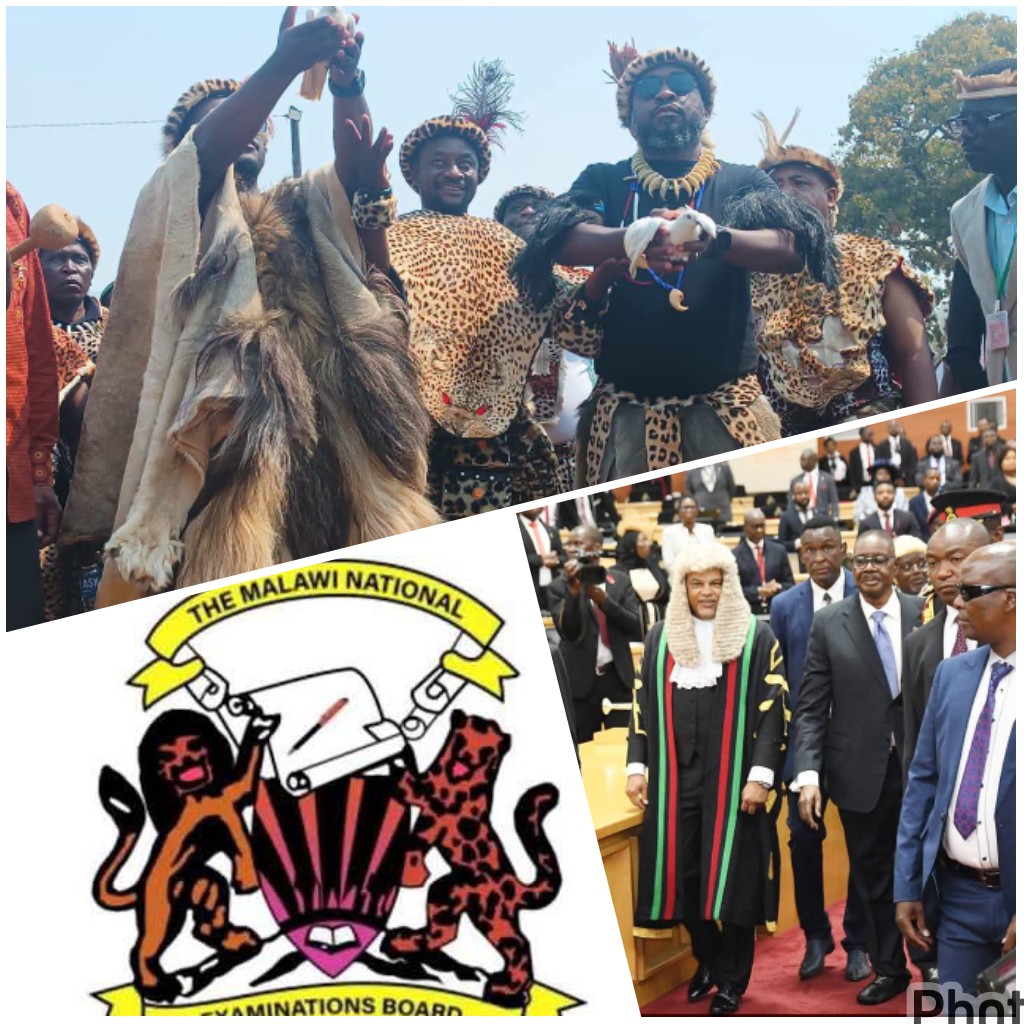
The 2026 Umhlangano wa Maseko Ngoni emerged as one of the week’s most significant cultural and national-interest stories, particularly following the main celebrations held at the Gomani Chikuse Memorial Grounds in Nkolimbo, Ntcheu.

Held under the theme “Ubunye Bunamandla” — Unity is Strength, the gathering brought together members of the Maseko Ngoni community and invited guests from Malawi and neighbouring countries, placing culture, traditional leadership, heritage and unity firmly on the national news agenda.
The event also attracted attention because of the participation of traditional leaders and prominent figures, reinforcing the importance of traditional institutions in Malawi’s social and cultural life.
Beyond the celebrations, Umhlangano provided a platform for discussions about preserving cultural identity while using heritage to promote unity, tourism, community development and economic opportunities.
Its significance extended beyond one traditional group. The event offered a broader reminder of Malawi’s cultural diversity and the potential of traditional heritage to contribute to national cohesion and development.
- Government Challenges Speaker Suleman’s 12 Probes
The week’s strongest continuing political and legal story centred on growing tension between the Executive and Parliament after the Government challenged investigations initiated by Speaker of Parliament Sameer Suleman into 12 public institutions.
The dispute raised fundamental questions about the constitutional boundaries between Parliament and the Executive, particularly over the extent of parliamentary oversight and investigative powers.

The issue moved beyond political disagreement and into a wider constitutional debate about accountability, institutional independence and the separation of powers.
For the public, the significance of the dispute lies in a basic democratic question: how can Parliament effectively scrutinise government institutions while ensuring that its actions remain within the limits of the Constitution?
The continuing dispute demonstrated how disagreements between state institutions can quickly develop into broader questions about the functioning of Malawi’s democracy.
- 2026 MSCE Results Record a 59.26 Percent Pass Rate
Education took centre stage when the 2026 Malawi School Certificate of Education examinations produced a national pass rate of 59.26 percent.
The release of the results immediately became a major national story because of its direct impact on students, parents, teachers, schools and the wider education sector.

Beyond the percentage itself, the results renewed discussion about academic performance, access to quality education, examination preparedness and the opportunities available to young Malawians.
The results also provided an important basis for examining whether improvements or challenges in examination performance reflect wider developments within Malawi’s education system.
- Kwacha Stability Versus Cash Scarcity
Malawi’s economic situation also featured prominently during the week as citizens raised concerns over the apparent contradiction between relative stability of the Kwacha and difficulties accessing physical cash.
The debate highlighted an important distinction between macroeconomic indicators and the everyday economic experience of ordinary citizens.
A currency can appear relatively stable while households and businesses continue to experience difficulties obtaining cash and meeting their daily financial obligations.
The story therefore provided a useful window into how monetary conditions are experienced beyond official economic statistics.
For many citizens, economic stability is ultimately measured not only by exchange-rate movements but also by whether they can access money, buy essential goods, pay bills and conduct business without disruption.
- Parliament–Executive Dispute Moves Into the Courts
The political disagreement over Parliament’s 12 investigations also developed into a significant legal story after a court case challenged the establishment of the ad hoc committees.
The development added a new dimension to the institutional dispute by placing questions about Parliament’s powers before the Judiciary.
A concerned citizen sought judicial review of the Speaker’s decision, while an injunction halted the investigations pending the court’s determination.
The legal challenge made the Parliament–Executive dispute one of the week’s dominant political narratives because the eventual judicial interpretation could have implications for parliamentary oversight and the constitutional separation of powers.
The issue therefore became larger than the 12 investigations themselves. It raised questions about where the constitutional boundaries lie between Parliament’s responsibility to scrutinise government and the Executive’s responsibility to administer the country.
- Ansah Credits Mutharika for Her Rise to the Vice Presidency
Vice President Jane Ansah attracted considerable attention after crediting former President Peter Mutharika for playing a significant role in her political journey and eventual rise to the vice presidency.
Her remarks at Chisitu Parish brought questions of political leadership, mentorship, loyalty, women’s participation in politics and the evolution of Malawi’s political leadership into the public conversation.
The story was significant not only because of Ansah’s position as Vice President, but also because it offered insight into the political relationships and experiences that influenced her rise to one of the country’s highest offices.
It also demonstrated the continuing public interest in the personalities, relationships and political histories behind Malawi’s current leadership.
- Missing Zimbabwean Catholic Priest Found Dead
A regional human-interest story that attracted significant attention was the discovery of the body of missing senior Zimbabwean Catholic priest Father Regis Chikuni.
The development generated concern within the Catholic community and beyond, turning a disappearance that had attracted public interest into a tragic outcome.
The story demonstrated the continuing regional reach of news developments followed by Malawian audiences, particularly when they involve religion, public safety and human-interest issues.
It also showed how stories from neighbouring countries can resonate strongly with Malawian readers when they involve institutions and communities with close social and religious connections.
The Bigger Picture
Looking across the seven stories, four broad themes stand out.
First is governance and institutional accountability. The dispute involving Parliament, Speaker Sameer Suleman and the Government dominated much of the political conversation and raised important questions about the balance of power among Malawi’s institutions.
Second is culture, identity and national unity. The 2026 Umhlangano demonstrated that traditional and cultural events remain an important part of Malawi’s national conversation. Its message of unity also offered a wider reflection on how cultural heritage can contribute to social cohesion and development.
Third is the everyday economic and social experience of Malawians. The Kwacha and cash-scarcity story demonstrated that economic stability is ultimately judged not only through official indicators but also through people’s ability to access money and conduct ordinary business.
Fourth is education, leadership and regional human-interest issues. The MSCE results, Vice President Ansah’s reflections on her political journey and the death of the Zimbabwean priest showed that Malawi’s news agenda extends well beyond political disputes.
Beyond the Headlines
The week demonstrated the importance of looking beyond individual headlines to understand the broader forces shaping Malawi.
From Parliament and the courts to schools, financial institutions, traditional communities, cultural platforms and religious institutions, the stories of September 6 to 12 reflected a country engaged in important conversations about leadership, accountability, economic wellbeing, education, culture, identity and public life.
The prominence of Umhlangano was particularly significant because it showed that Malawi’s national conversation is not defined by politics alone. Cultural heritage, traditional leadership and national identity continue to command public attention and can provide important platforms for discussions about unity and development.
At the same time, the continuing Parliament–Executive dispute demonstrated that questions of constitutional governance and institutional accountability remain central to Malawi’s democratic development.
Taken together, the seven stories offered a snapshot of a country balancing political contestation with economic challenges, educational aspirations, cultural identity and the human stories that connect Malawi with the wider region.
Looking Back will continue to go beyond the headlines, examining the stories that shape Malawi and exploring what they mean for the country’s future and its people.
Leave a Reply