

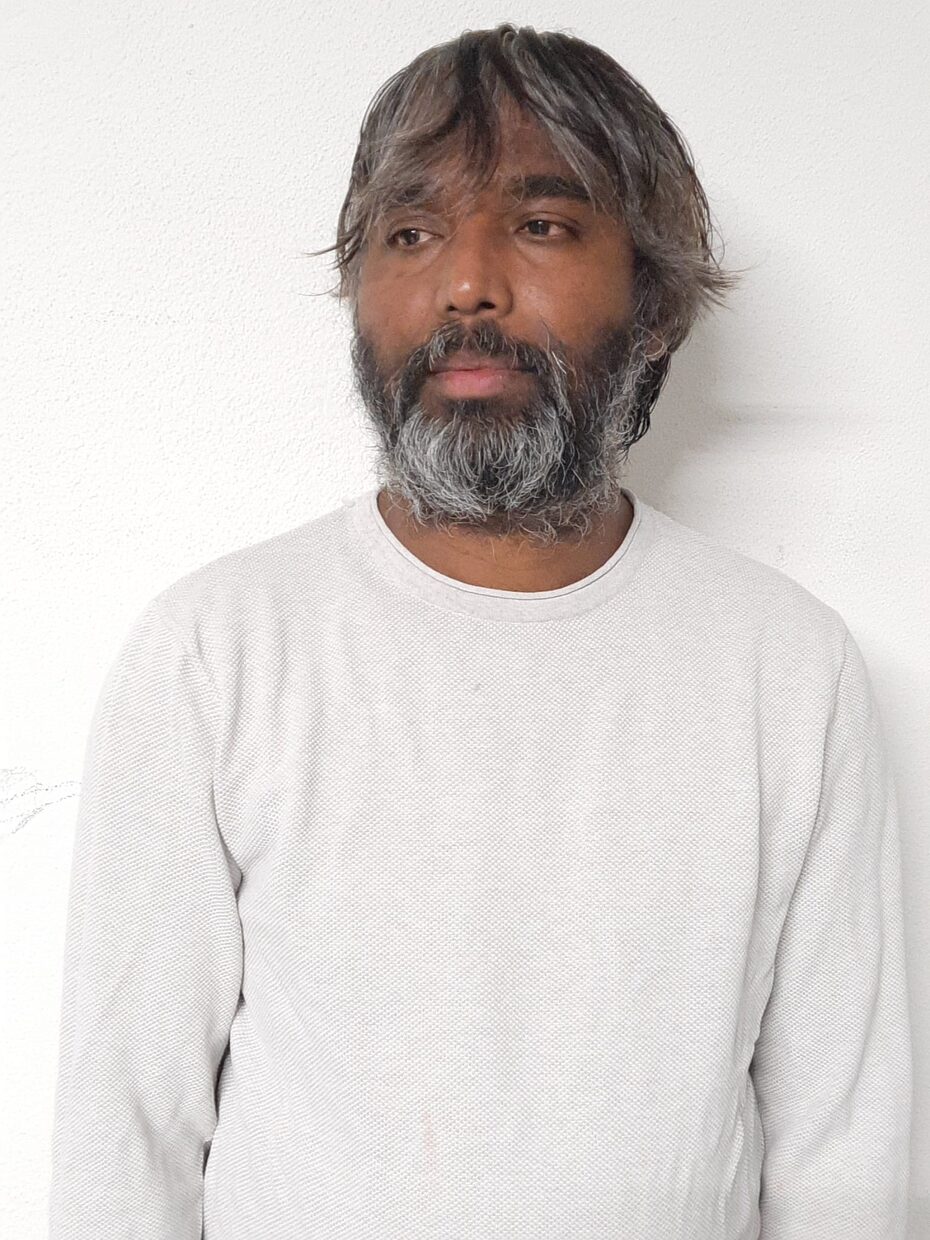


By Rick Dzida
A father who disappears when his wife and children are going through difficult times is abandoning his responsibilities. When children are hungry, sick or frightened, they do not look for their father through intermediaries. They expect him to be present, listen to their problems and provide reassurance.
This is precisely what Malawians expect from President Peter Mutharika. Unfortunately, his growing absence from public engagements, repeated delegation of important national functions and frequent private trips to South Africa are creating the impression of a President who is increasingly disconnected from the suffering of his people. The most painful part of his presidential absence is the timing.
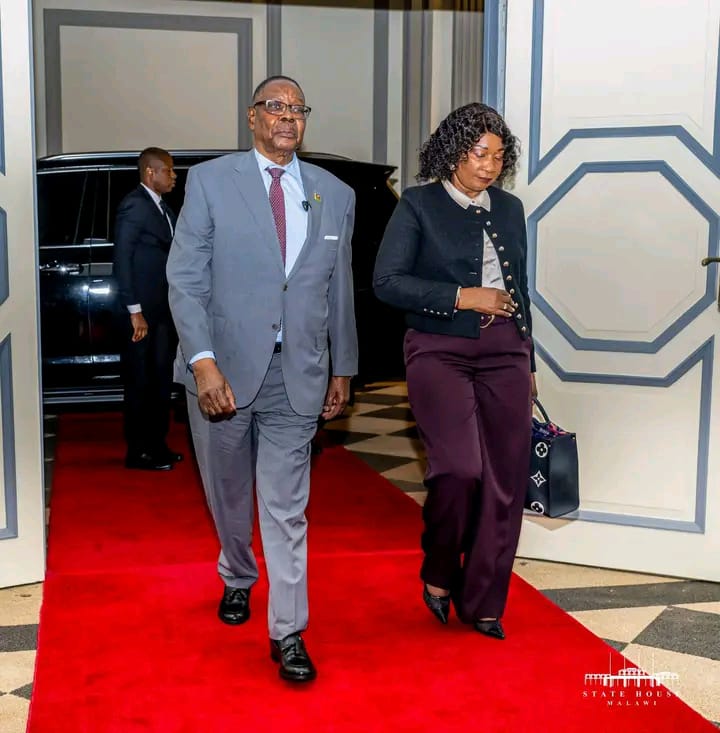
Malawi is facing serious economic and social challenges. Yet, at a time when citizens desperately need presidential leadership, Mutharika appears more comfortable remaining away from the public than confronting the problems facing the nation.
Since assuming office in October 2025, Mutharika has reportedly made five private trips to South Africa. These journeys have raised serious questions about presidential priorities and the use of public resources.
Calling these journeys private does not automatically remove the government’s responsibility to account for any public expenditure associated with them. Presidential security, official personnel, transport and other support arrangements may involve public resources. Malawians deserve to know who pays for these services.
It is insulting to taxpayers to expect them to remain silent while the government refuses to provide satisfactory explanations.
Yes, the President is entitled to personal privacy, but he is not entitled to escape public accountability. Private travel must never become an excuse for public silence.
More importantly, what is the justification for repeatedly travelling to South Africa when Malawi is experiencing serious national difficulties? Is there no better way for the President to demonstrate commitment to the country than by being physically and politically available to his citizens?
What makes Mutharika’s absence particularly disturbing is the growing number of important national functions he has delegated to other people. Consider the following examples:
During John Chilembwe Day commemorations – 15 January 2026, Finance Minister Joseph Mwanamvekha represented the President. On 3 March 2026, Martyrs Day commemorations, Transport Minister Jappie Mhango represented him. During the University of Malawi 27 April 2026 graduation , Vice-Chancellor Professor Samson Sajidu presided over the ceremony.
During the May 2026 Malawi Defence Force pass-out parade, the President as the Commander in chief did not personally attend. Similarly the May 2026 Police pass-out ceremony proceeded without his presence. Even the 14 May 2026 Kamuzu Day commemorations, Sports Minister Alfred Gangata represented him.
During the 2026 Malawi International Trade Fair, Trade Minister Simon Itaye officiated in his place. On 25 May 2026, Foreign Affairs Minister George Chaponda chaired the Cabinet meeting despite First Vice-President Jane Ansah reportedly being present.
There are further examples, including University of Malawi and Kamuzu University of Health Sciences graduation ceremonies in August and October 2026, respectively, where university vice-chancellors presided in the President’s absence.
These are not ordinary social gatherings. They are important national occasions involving education, national history, economic development, security and the country’s institutions.
Yes, delegation is part of government administration. But delegation should not become an escape route from presidential responsibility. A President cannot continuously send representatives to perform duties that require his personal leadership and then expect citizens to believe that everything is normal.
What exactly is the purpose of electing a President if ministers, vice-presidents and institutional heads must repeatedly stand in for him at major national functions?
Malawians elected Mutharika to lead, not to spend his presidency watching events through other people’s representation.
Fuel shortages are hurting businesses and ordinary citizens. Young people are roaming the streets without employment. Foreign-exchange shortages are frustrating importers and disrupting economic activity. Poverty is pushing families deeper into hardship. Electricity blackouts are paralysing businesses, while corruption continues to drain resources that should be improving people’s lives.
These are not imaginary problems. They are the daily realities of ordinary Malawians.
The Public Affairs Committee (PAC) and other concerned citizens are therefore right to demand that Mutharika address the nation. After all, why should Malawians beg their own President to speak to them? Is this what they voted for?
When children are troubled, they run to their father. They expect him to listen, explain and provide direction. They do not want excuses or endless promises. They want reassurance that somebody is taking responsibility. Malawians deserve exactly the same treatment from their President.
They want to hear what he intends to do about fuel scarcity. They want an explanation of why young people remain unemployed. They want concrete measures to address foreign-exchange shortages, rampant poverty, corruption and unreliable electricity.
They want answers, not silence. They want leadership, not delegation. They want action, not presidential disappearance.
Mutharika must stop behaving as though national problems are the responsibility of ministers alone. The buck stops at the President’s desk. He cannot outsource presidential accountability.
Mutharika must wake up to the reality that the presidency is a public responsibility, not a personal entitlement. He cannot enjoy the privileges of high office while avoiding the public demands that come with it. Such demands must urgently beaddressed not what the government spokesman, Shadreck Namalomba is saying, that Mutharika will address the nation when he is ready.
Five private trips to South Africa, repeated absences from important national events and limited direct engagement with citizens have created a damaging perception of an absent President.
If there are legitimate reasons for his limited public appearances, Malawians deserve an honest explanation. If there are challenges affecting his ability to perform presidential duties, transparency is better than leaving the nation guessing.
The people are not asking for too much. They are demanding the leadership they voted for. Malawians are suffering while you remain conspicuously absent. Come out and face the nation!
A President who cannot stand with his people when they are suffering should not expect them to applaud him when things improve. Most importantly, Malawians need a President who is present, accountable and ready to lead. Enough of presidential absenteeis
Disclaimer: This article was written in my personal capacity and reflects my personal views as a seasoned economist.
Leave a Reply